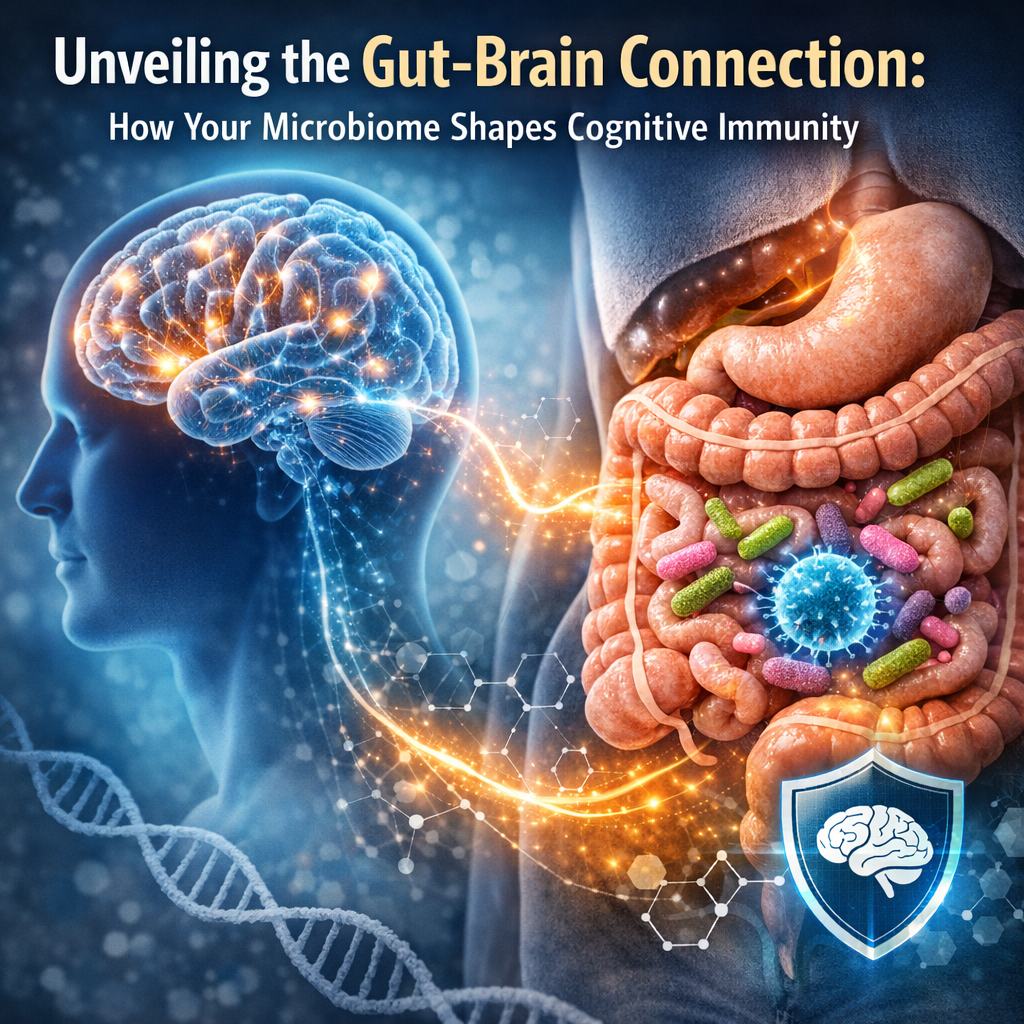
Unveiling the Gut-Brain Connection: How Your Microbiome Shapes Cognitive Immunity
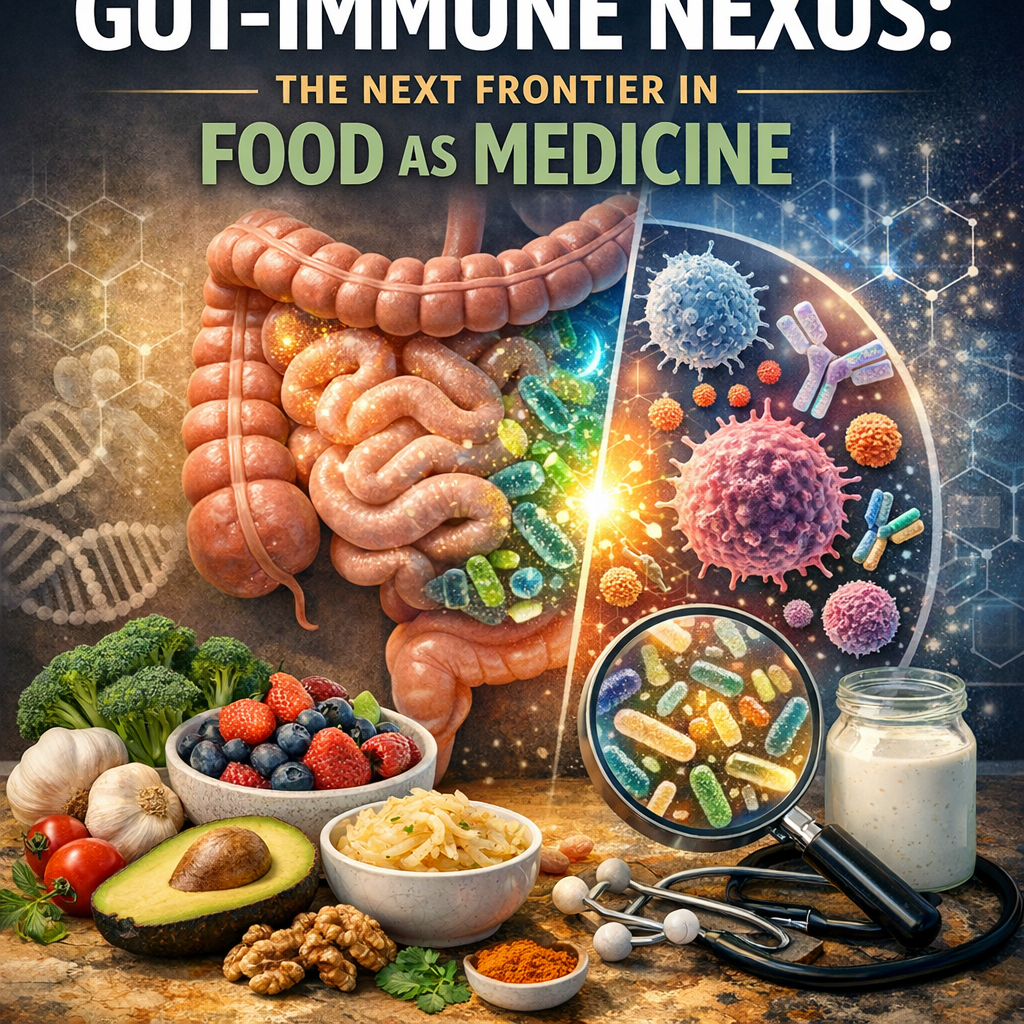
The world of health is familiar with discoveries that challenge our understanding of bodily systems. Among the most intriguing is the gut-brain connection, a field exploring how our gut microbiome—the trillions of microorganisms in our digestive tract—might influence neurological health and cognitive immunity. This offers promising natural avenues for enhancing mental health.
Traditional medicines have used gut-related remedies for centuries to treat mood disorders. Recently, scientists have begun to understand the complex bi-directional communication facilitated by the gut-brain axis, comprising neural, hormonal, and immune-related channels. Our microbiome not only aids digestion but interacts with our brain chemistry.
Why is this significant? Studies propose that an imbalanced microbiome (dysbiosis) may contribute to neurological and psychological ailments, including anxiety, depression, and neurodegenerative diseases like Alzheimer’s. These discoveries open doors to natural treatments using probiotics, prebiotics, and dietary changes aimed at nurturing a balanced microbiome.
Crucial chemicals relevant to mood regulation, like serotonin and dopamine, are influenced by the gut bacteria. Serotonin, commonly known as the “feel-good” neurotransmitter, is primarily produced in the gut, influenced by microbial activity.
Features: Crucial Studies and Breakthroughs
Recent research has advanced understanding of the gut-brain connection. A pioneering study by UCLA found that women consuming probiotics exhibited altered brain activity in emotional tasks ([Mayer et al.](https://www.gastrojournal.org/article/S0016-5085(13)00475-2/fulltext), 2013, *American Gastroenterological Association*). Beneficial bacteria not only influence digestive health but also reshape the brain’s emotional processing pathways.
The APC Microbiome Ireland explored psychobiotics, a novel class of probiotics offering mental health benefits. Mice given Bifidobacterium longum showed reduced anxiety behavior and normalized stress hormone levels ([Cryan et al.](https://www.nature.com/articles/tp201685), 2016, *Translational Psychiatry*). This suggests natural remedies for stress and anxiety, embracing a holistic approach rooted in microbiome modulation.
A study by Harvard Medical School demonstrated that fermented foods, rich in probiotics, alleviate social anxiety symptoms ([Kiefer et al.](https://www.psychres.org/article/S0165-1781(15)00518-3/fulltext), 2015, *Psychiatry Research*).
Additionally, the European Molecular Biology Organization Reports found evidence linking gut bacteria with neurogenesis—forming new neurons—in the hippocampus, crucial for memory and learning ([Bercik et al.](https://www.nature.com/articles/emboj2011300), 2011, *EMBO Journal*).
These studies bolster the notion that the microbiome offers a frontier for enhancing cognitive immunity. Moderation is key; integrating dietary changes, probiotic supplements, and stress-reducing practices effectively benefits from these discoveries.
Conclusion
The field of the gut-brain connection unlocks powerful avenues for enhancing cognitive immunity and mental health. As science delves deeper, it becomes clear that a healthy microbiome can improve mental well-being. Whether through diet, probiotics, or lifestyle changes, embracing natural interventions holds promise for managing neurological disorders. Understanding the relationship between our gut and brain can pave the way for a healthier, balanced life. These insights reflect a growing appreciation for holistic health and resonate with traditional medicine wisdom.
References
1. Mayer, E. A., Padua, D., Tillisch, K. (2013). [Altered brain-gut axis in humans: Bifidobacteria modulate emotion centers in the brain](https://www.gastrojournal.org/article/S0016-5085(13)00475-2/fulltext). *American Gastroenterological Association*.
2. Cryan, J. F., Dinan, T. G. (2016). [Psychobiotics: how gut bacteria mess with your mind](https://www.nature.com/articles/tp201685). *Translational Psychiatry*.
3. Kiefer, A. W., et al. (2015). [Intestinal microbiota and mental health: Fermented foods improve social anxiety symptoms](https://www.psychres.org/article/S0165-1781(15)00518-3/fulltext). *Psychiatry Research*.
4. Bercik, P., et al. (2011). [Modulation of the brain-gut axis by gut bacteria](https://www.nature.com/articles/emboj2011300). *EMBO Journal*.
Concise Summary
The gut-brain connection explores how our gut microbiome significantly influences neurological health and cognitive immunity. This field is uncovering natural pathways to enhance mental health by integrating traditional medicines with modern science. Studies show that imbalances in the microbiome can contribute to mood disorders and neurodegenerative diseases. Research highlights the potential of probiotics, prebiotics, and dietary changes to support mental well-being. By understanding and supporting the intricate relationship between our gut and brain, we can adopt holistic strategies to improve mental health and prevent neurological disorders.

Dominic E. is a passionate filmmaker navigating the exciting intersection of art and science. By day, he delves into the complexities of the human body as a full-time medical writer, meticulously translating intricate medical concepts into accessible and engaging narratives. By night, he explores the boundless realm of cinematic storytelling, crafting narratives that evoke emotion and challenge perspectives.
Film Student and Full-time Medical Writer for ContentVendor.com