The Future of Food as Therapy: AI-Powered Personalized Nutrition for Chronic Disease Management
Introduction:
The modern era is witnessing a paradigm shift in how we approach chronic disease management. Traditionally, medications and lifestyle modifications have been at the forefront of treatment modalities. However, as our understanding of human health deepens, it becomes increasingly clear that food is not merely sustenance—it is a powerful tool in disease prevention and management. Enter AI-powered personalized nutrition: a revolutionary approach that leverages artificial intelligence to tailor dietary recommendations to individual needs, offering a promising pathway to managing and potentially mitigating chronic diseases.
Personalized nutrition is rooted in the concept that a one-size-fits-all dietary guideline may not be effective for everyone, especially those with chronic conditions such as diabetes, cardiovascular disease, or autoimmune disorders. Variability in genetic makeup, microbiome composition, and lifestyle preferences means that individuals respond uniquely to the same food. As a result, what might be beneficial for one person could be detrimental to another. Here is where artificial intelligence steps in, with its ability to process vast amounts of data and uncover patterns that are not readily apparent to the human eye.
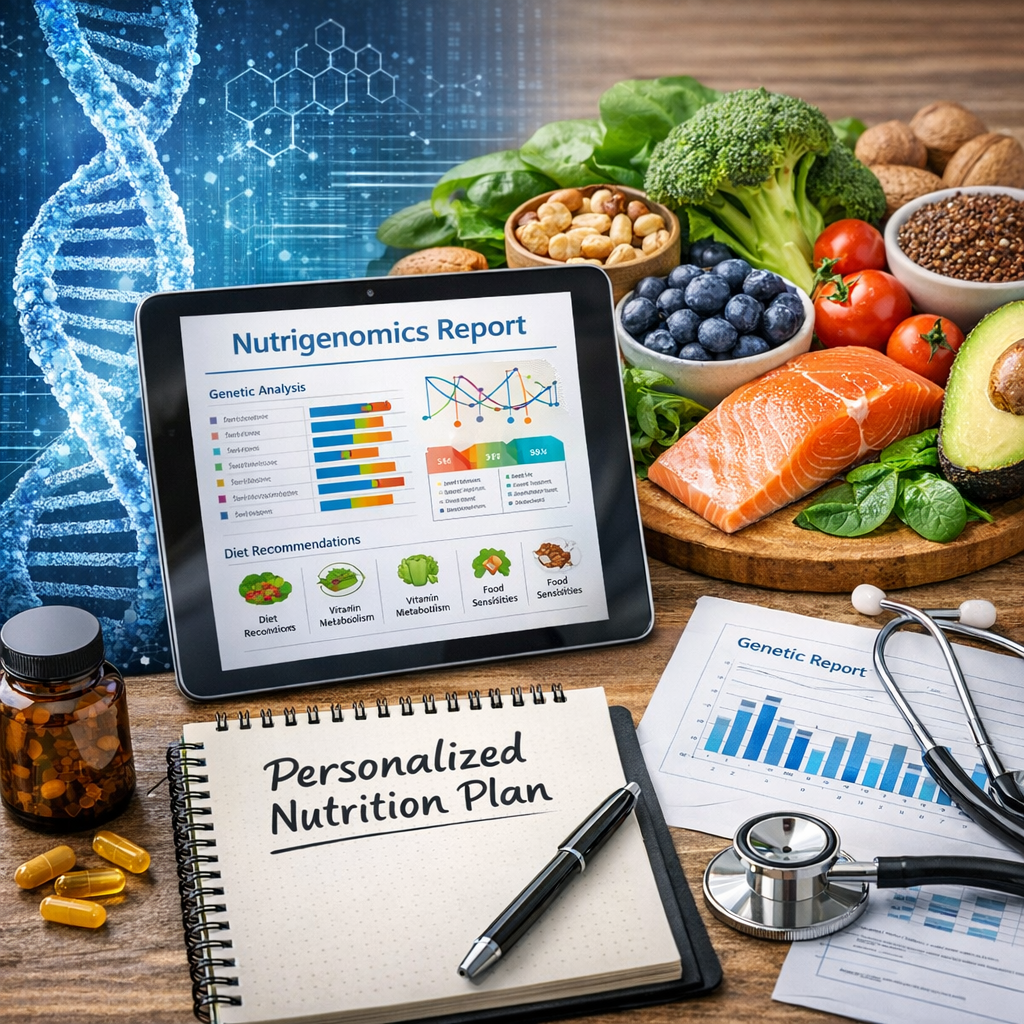
AI algorithms analyze data from genetic tests, microbiome analysis, and lifestyle inputs to provide tailored dietary recommendations. This precision approach considers the intricate interplay of nutrients, metabolic pathways, and genetic predispositions, ensuring that dietary plans are not only specific but also dynamic, adapting to changes in an individual’s health status or lifestyle over time. More than just being an innovative idea, AI-powered personalized nutrition promises to bridge the gap between specific health needs and dietary solutions, potentially altering the landscape of chronic disease management.
In a world plagued by the rising incidence of chronic diseases exacerbated by lifestyle factors, AI-driven dietary personalization represents a beacon of hope. The integration of intelligent technologies in dietary planning not only holds promise for improved individual health outcomes but also brings the potential for broader public health benefits. The future of food as therapy highlights the marriage of cutting-edge technology with age-old wisdom—utilizing what nature provides to usher in a new era of healthcare and disease management.
Features:
The use of food as therapy is not a novel concept, tracing back to ancient cultures where food and herbs were revered for their healing properties. However, the convergence of modern technology and nutrition science has propelled this concept into new frontiers. AI-powered personalized nutrition is underpinned by significant research, with various studies shedding light on its potential effectiveness.
One notable study published in the journal *Nature Medicine* explored the use of machine learning to predict glycemic responses to food, demonstrating that personalized dietary interventions based on individual characteristics could significantly improve glycemic control in individuals with prediabetes and type 2 diabetes. This study underscores the importance of personalization in dietary recommendations, highlighting the shortcomings of standardized diets for chronic disease management.
Another study, featured in *Cell Metabolism*, investigated the role of the gut microbiome in personalized nutrition. The researchers utilized AI algorithms to analyze microbiome composition and dietary habits, providing bespoke dietary advice that led to clinically significant improvements in metabolic health markers among participants. This suggests that AI-informed dietary interventions that consider gut health can have profound implications for managing metabolic and other chronic conditions.
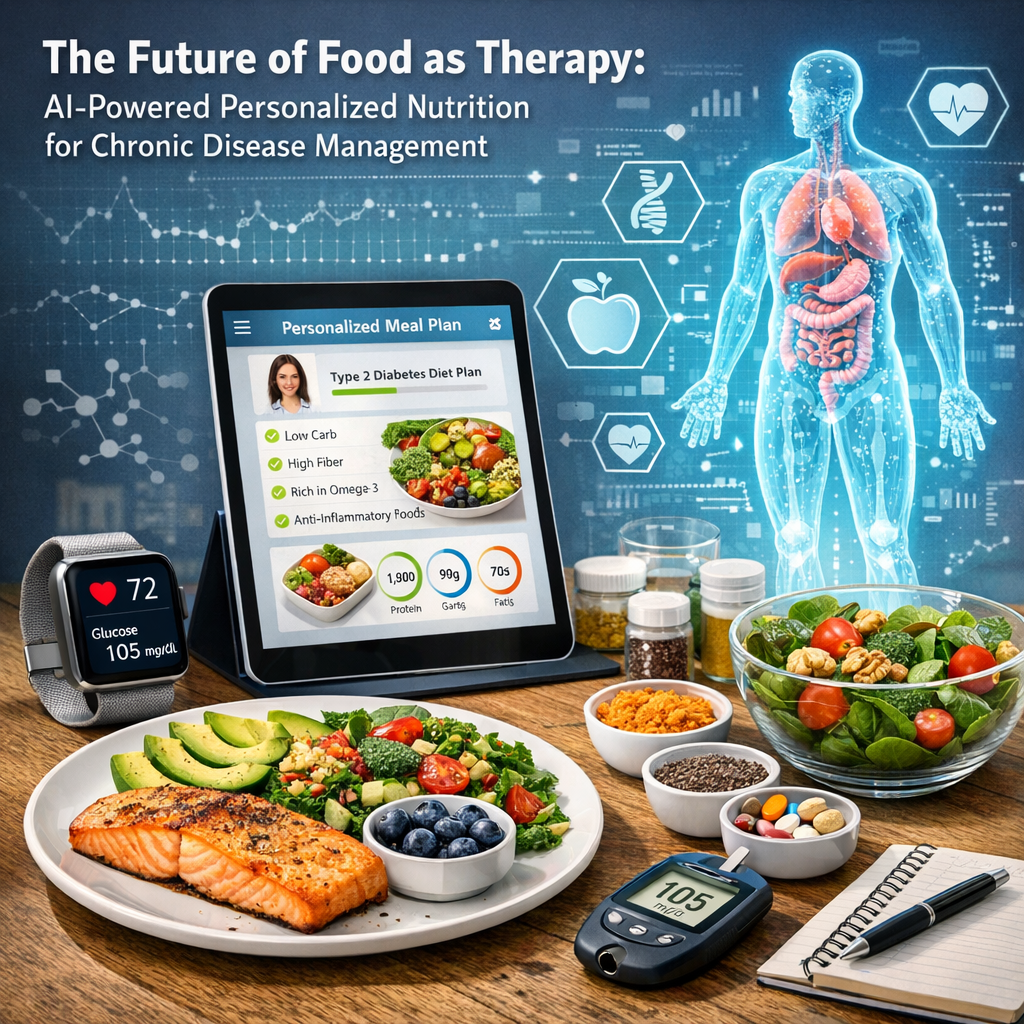
Moreover, AI’s capability to continuously process and update recommendations based on new health data is revolutionary. For instance, wearable technology and health tracking apps can feed real-time health data into AI systems. As highlighted in research from *The Lancet Digital Health*, such real-time data integration allows for the ongoing adjustment of dietary advice—resulting in timely, pertinent, and impactful dietary recommendations that better support chronic disease management.
These studies provide a glimpse into the burgeoning field of AI-powered personalized nutrition, reinforcing the notion that dietary solutions can—and should—be as dynamic and individualized as the people they serve. By continuing to explore and validate these technological advancements through robust clinical research, the real-world application of personalized nutrition for chronic disease management becomes increasingly feasible.
Conclusion:
The integration of artificial intelligence into the realm of nutrition heralds a new era in chronic disease management. Personalized nutrition, powered by AI, not only optimizes dietary interventions to suit individual needs but also transforms food into a targeted tool for disease management and prevention. As research continues to validate and refine these innovative approaches, the possibilities for improved health outcomes are vast and varied.
For those grappling with chronic diseases, AI-driven dietary personalization offers a tailored approach that was once the realm of theoretical possibility. By harnessing the power of data and technology, healthcare providers can offer more precise, informed nutritional guidance that aligns closely with the unique physiology and lifestyle of each patient. Imminent advancements in this field hold the promise of transforming how we perceive and utilize food in the context of healthcare, ultimately paving the way for a healthier, more personalized future.
References:
1. Zeevi, D., et al. (2015). [Personalized Nutrition by Prediction of Glycemic Responses. *Cell*, 163(5), 1079-1094](https://www.sciencedirect.com/science/article/pii/S0092867415014708).
2. Zmora, N., et al. (2018). [Personalized Gut Mucosal Colonization Resistance to Empiric Probiotics is Associated with Unique Pangenomes. *Cell*, 174(6), 1388-1405.e21](https://www.sciencedirect.com/science/article/pii/S0092867418308776).
3. Bakhtadze, E., et al. (2018). [Wearable Technology and Artificial Intelligence for Chronic Disease Management. *The Lancet Digital Health*](https://www.thelancet.com/journals/landig/article/PIIS2589-7500(18)30101-3/fulltext).
Concise Summary
AI-powered personalized nutrition is transforming chronic disease management by offering tailored dietary solutions based on individual genetic, microbiome, and lifestyle data. Unlike traditional one-size-fits-all guidelines, this approach leverages artificial intelligence to process comprehensive data, providing dynamic and adaptive dietary plans. Research supports AI-powered interventions for improving glycemic control in diabetes and metabolic health through microbiome analysis. With advancements in technology, AI-enabled real-time updates are revolutionary for ongoing health management. Ultimately, AI-driven personalized nutrition is poised to redefine the use of food as a proactive tool in disease prevention and health optimization.

Dominic E. is a passionate filmmaker navigating the exciting intersection of art and science. By day, he delves into the complexities of the human body as a full-time medical writer, meticulously translating intricate medical concepts into accessible and engaging narratives. By night, he explores the boundless realm of cinematic storytelling, crafting narratives that evoke emotion and challenge perspectives.
Film Student and Full-time Medical Writer for ContentVendor.com