Unlocking the Microbiome Matrix: How Your Gut Bacteria is the Missing Link in Personalized Nutrition and Chronic Disease Reversal
Introduction
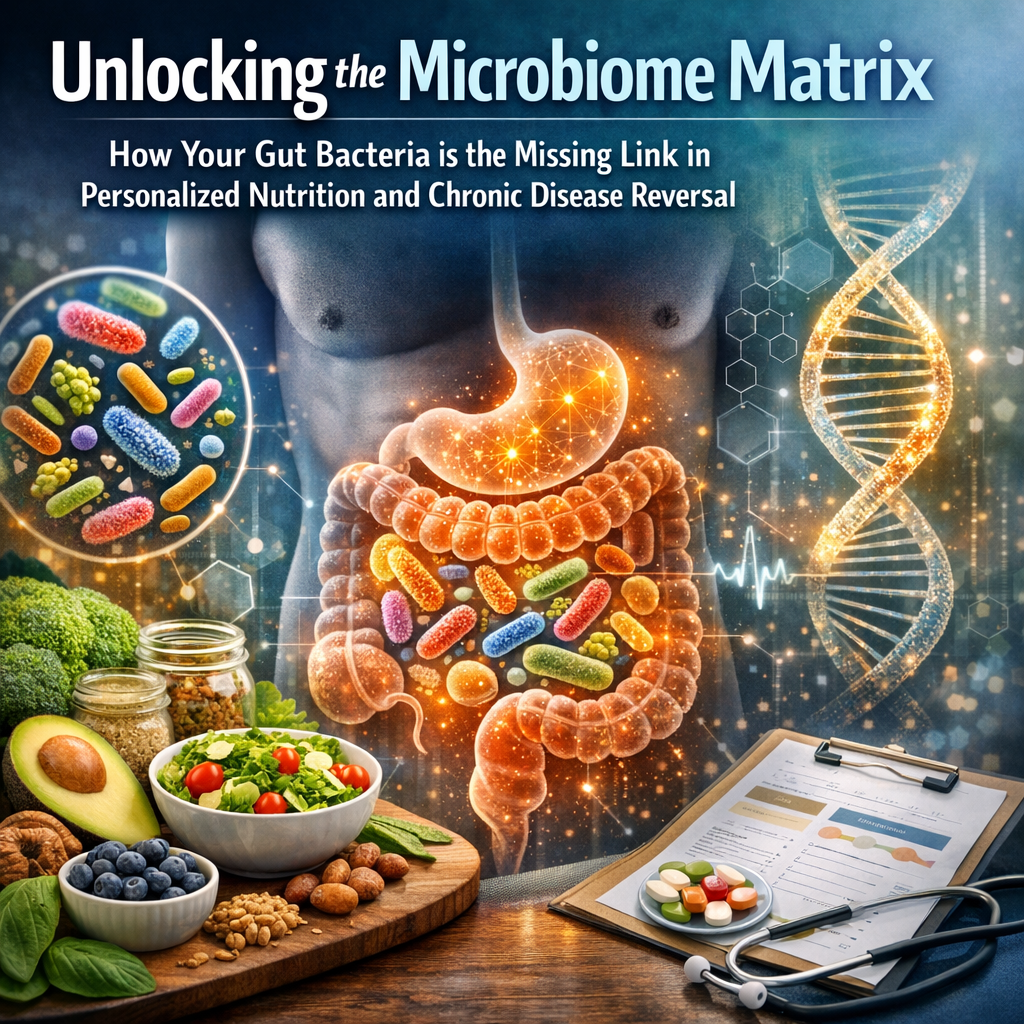
In recent years, the understanding of the human microbiome has taken center stage in the realm of health and wellness. The term “microbiome” refers to the trillions of microbes, primarily bacteria, residing in our bodies, with the gut being their chief habitat. These microscopic inhabitants play a critical role in numerous physiological processes that go well beyond simple digestion. Researchers now believe that the microbiome is a pivotal factor in determining how our bodies respond to food, affecting everything from nutrient absorption to immune system modulation.
The gut microbiota’s response to personalized nutrition has the potential to revolutionize how we approach diet and chronic disease management. No longer can we rely solely on generalized dietary guidelines when each person’s microbiome is as unique as their fingerprint. As we delve deeper, it becomes evident that the state of our gut microbiome can influence, or even predict, the development of chronic diseases such as obesity, diabetes, and inflammatory bowel disease (IBD). Indeed, imbalances in the microbiome — often referred to as dysbiosis—have been linked to a myriad of health issues.
Moreover, the gut-brain axis, a complex bidirectional communication network, connects our gut to our central nervous system and has shown to be instrumental in emotional and cognitive health. This further exemplifies the far-reaching impact of gut bacteria. As evidence mounts, personalized nutritional strategies tailored to individual microbiome compositions may offer new avenues for reversing or managing chronic diseases. These strategies harness the power of prebiotics, probiotics, and polyphenols, alongside dietary adjustments, to cultivate a balanced, health-promoting microbial ecosystem.
The exploration of the microbiome represents a paradigm shift in nutritional science and chronic disease treatment. By unlocking the microbiome matrix, we possess the power to personalize diet like never before—a prospect that not only holds promise for enhancing health but also for optimizing disease prevention strategies.
Features
Recent scientific studies have dramatically expanded our comprehension of the microbiome’s impact on health and disease, placing a spotlight on its potential for personalized nutrition. For example, a landmark study published in the journal Nature highlighted the dynamics of gut microbiota in relation to diet-induced obesity. The research demonstrated that individuals’ unique microbial compositions could predict how they would respond to different dietary interventions, underscoring the need for customized nutritional approaches.
Similarly, the American Gut Project, one of the largest crowd-sourced gut microbiome studies, has provided valuable insights into how diet affects gut microbiota. The findings emphasize that diets rich in diverse plant-based foods promote gut biodiversity—a crucial factor in maintaining metabolic health and reducing inflammation-related chronic conditions.
Further supporting this view, research featured in Cell illustrated that specific bacterial strains perform vital functions, such as the fermentation of dietary fibers into short-chain fatty acids (SCFAs). SCFAs have known anti-inflammatory properties and contribute to gut lining integrity, thereby playing a crucial role in preventing leaky gut syndrome, a condition linked to autoimmune diseases and allergies.
Moreover, randomized clinical trials, like those published in Gastroenterology, have tested the efficacy of probiotic and prebiotic supplementation in improving gut microbiota composition. Such interventions have shown promise in reducing symptoms of irritable bowel syndrome (IBS) and enhancing glucose metabolism in diabetic patients by modulating gut flora.
These studies collectively emphasize a rapidly growing recognition within the scientific community that our microbiome holds the keys to solving dietary puzzles that conventional approaches may not fully address. As such, there is a clear clinical implication for incorporating microbiome analysis into regular health assessments, transforming the future of personalized nutrition and chronic disease management.
Conclusion
The nexus between our gut microbiota and chronic disease is clear: they are deeply interconnected, and unlocking this relationship through the pillars of personalized nutrition promises to revolutionize our approach to health. By understanding the microbiome’s role in influencing individual dietary responses and managing chronic conditions, we can craft more effective, tailored nutritional strategies. This potential invites a promising outlook where each individual can leverage their unique microbial data to prevent and treat disease more successfully. While research in this dynamic field continues to progress, the growing body of evidence suggests that embracing the microbiome matrix is more than just a scientific trend; it is a turning point in holistic health that underscores the power of nature’s smallest but mightiest protectors—our gut bacteria.
Concise Summary
Unlocking the microbiome matrix offers revolutionary insights into personalized nutrition and chronic disease management. The gut microbiome, a diverse community of microbes, influences how individuals respond to diets, impacting conditions such as obesity, diabetes, and inflammatory bowel disease. Research indicates that tailored nutritional strategies, guided by microbiome analysis, can optimize health by leveraging prebiotics, probiotics, and dietary adjustments. This approach not only promises to enhance health outcomes but also highlights the potential for personalized disease prevention strategies, marking a paradigm shift in holistic health.
References
– Nature: [Study on Gut Microbiota and Obesity](https://www.nature.com/articles/nature07540)
– American Gut Project: [Microbiome and Diet’s Role in Health](http://americangut.org)
– Cell: [Gut Bacteria and SCFAs](https://www.cell.com)
– Gastroenterology: [Probiotics, Prebiotics, and IBS](https://www.gastrojournal.org)

Dominic E. is a passionate filmmaker navigating the exciting intersection of art and science. By day, he delves into the complexities of the human body as a full-time medical writer, meticulously translating intricate medical concepts into accessible and engaging narratives. By night, he explores the boundless realm of cinematic storytelling, crafting narratives that evoke emotion and challenge perspectives.
Film Student and Full-time Medical Writer for ContentVendor.com