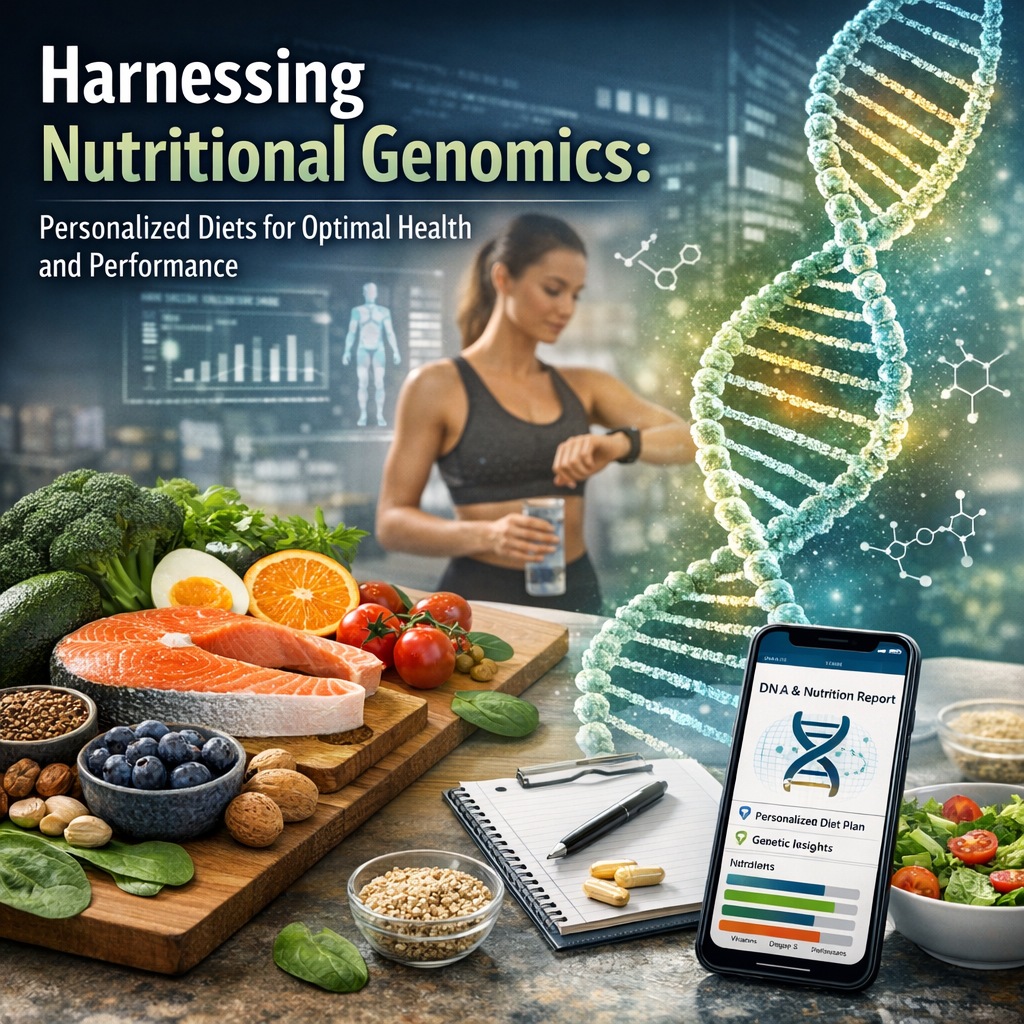
Harnessing Nutritional Genomics: Personalized Diets for Optimal Health and Performance
Introduction
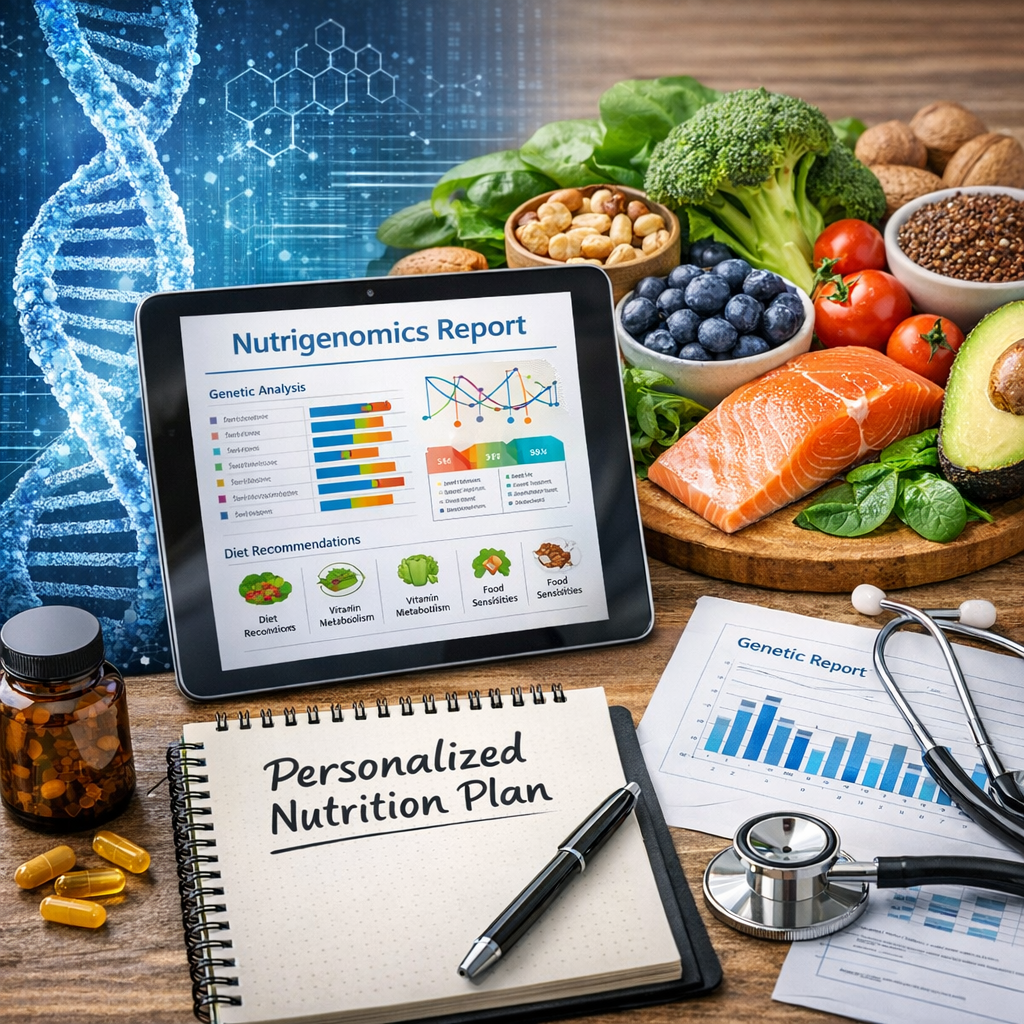
In the ever-evolving landscape of health and wellness, the intersection of nutrition and genetics has emerged as a transformative frontier. Nutritional genomics, often referred to as nutrigenomics, is a cutting-edge field that explores the intricate relationship between our genes and the foods we consume. Imagine a world where dietary recommendations are tailored specifically to your genetic makeup, helping to optimize health, enhance performance, and potentially prevent disease. This concept, once the stuff of science fiction, is rapidly becoming a reality.
With scientific advancements in genomics and nutrition, the possibility of personalized diets is no longer a dream. Nutrigenomics is grounded in the understanding that our genetic variations can influence how we metabolize nutrients, respond to certain foods, and manage health conditions. By examining individual genetic profiles, scientists and health professionals can craft dietary plans that align with a person’s unique genetic predispositions.
Personalized nutrition can cater to individual needs, addressing everything from weight management to chronic disease prevention. For instance, one person might thrive on a high-carb diet, while another might benefit from a low-carb, high-protein plan. Similarly, insights from nutrigenomics can bring about better control of conditions like diabetes, cardiovascular disease, and even certain cancers, based on an individual’s genetic response to nutrients.
Moreover, understanding one’s genetic predispositions can empower individuals toward more informed dietary choices, potentially leading to longer, healthier lives. As consumers become increasingly savvy and health-conscious, the demand for personalized nutrition solutions grows. Companies and practitioners are leveraging nutrigenomics to develop tailor-made dietary programs, making the prospect of customized nutrition accessible to wider audiences.
This journey into personalized diets through nutritional genomics not only represents a shift from a one-size-fits-all approach but also invites us to rethink the way we approach diet and health. As this field continues to evolve, it ushers in a new era where dietary guidelines could be as unique as our fingerprints, promising optimal health and peak performance tailored to our individual genetic codes.
Features
The promise of nutrigenomics is supported by a growing body of research. Numerous studies reveal how genetic variations, known as polymorphisms, can impact dietary needs and preferences. For example, a landmark study published in the [American Journal of Clinical Nutrition](https://academic.oup.com/ajcn/) explored the interactions between genetic variations and nutrient intake, focusing on their effects on cardiovascular disease risk.
One prominent area of research focuses on the gene known as MTHFR, which plays a role in metabolizing folate and other B vitamins. Variations in this gene can affect how the body processes homocysteine, an amino acid linked to heart disease. Understanding these variations allows for personalized dietary recommendations that can modify cardiovascular risk factors ([National Center for Biotechnology Information](https://www.ncbi.nlm.nih.gov/)).
Another well-researched example is the relationship between the FTO gene and obesity. Individuals with certain variants of the FTO gene may have a predisposition to higher body weight. Research indicates that personalized dietary interventions for these individuals can lead to more successful weight management ([PLoS Medicine](https://journals.plos.org/plosmedicine/)).
Furthermore, studies have demonstrated how nutrigenomics can aid in optimizing athletic performance. Researchers have identified specific gene-nutrient interactions that affect muscle function, recovery, and endurance. A study in the [Journal of the International Society of Sports Nutrition](https://jissn.biomedcentral.com/) highlighted how genetic profiling can refine dietary strategies to enhance performance outcomes in athletes.
While these findings are promising, it’s important to note that nutrigenomics is still a developing field. The complexity of gene-nutrient interactions requires extensive research and validation across diverse populations. Nonetheless, the potential benefits are significant, marking a paradigm shift in how we understand nutrition and its role in health and disease prevention.
Conclusion
As we delve deeper into the realm of nutritional genomics, the prospect of personalized diets tailored to our genetic blueprints becomes increasingly tangible. The ability to harness our genetic information to guide dietary choices offers a groundbreaking approach to achieving optimal health and performance. By aligning nutrition with our unique genetic predispositions, we can move towards more effective, individualized health strategies that go beyond generalized dietary guidelines.
The journey toward fully personalized nutrition holds transformative potential, yet it is accompanied by the need for ongoing scientific exploration. Public awareness and understanding of this frontier are crucial to unlocking its benefits. As research expands and technology advances, the promise of nutrigenomics could fundamentally reshape our interactions with food, fostering a healthier, more informed society.
References
– [American Journal of Clinical Nutrition](https://academic.oup.com/ajcn/)
– [National Center for Biotechnology Information](https://www.ncbi.nlm.nih.gov/)
– [PLoS Medicine](https://journals.plos.org/plosmedicine/)
– [Journal of the International Society of Sports Nutrition](https://jissn.biomedcentral.com/)
Concise Summary:
The burgeoning field of nutritional genomics or nutrigenomics explores how our unique genetic makeup interacts with nutrition, aiming to tailor personalized diets for optimal health. This emerging science uses genetic information to craft diet plans that can aid in weight management, prevent chronic diseases like cardiovascular issues, and facilitate athletic performance optimization. Nutrigenomics has the potential to radically shift dietary approaches, allowing for individualized health strategies that transcend traditional guidelines, though ongoing research is needed to fully realize and understand its potential.

Dominic E. is a passionate filmmaker navigating the exciting intersection of art and science. By day, he delves into the complexities of the human body as a full-time medical writer, meticulously translating intricate medical concepts into accessible and engaging narratives. By night, he explores the boundless realm of cinematic storytelling, crafting narratives that evoke emotion and challenge perspectives.
Film Student and Full-time Medical Writer for ContentVendor.com