How “Nutrigenomics” Can Decode Your Personal Health Blueprint: The Future of Food-As-Medicine Explained
Introduction
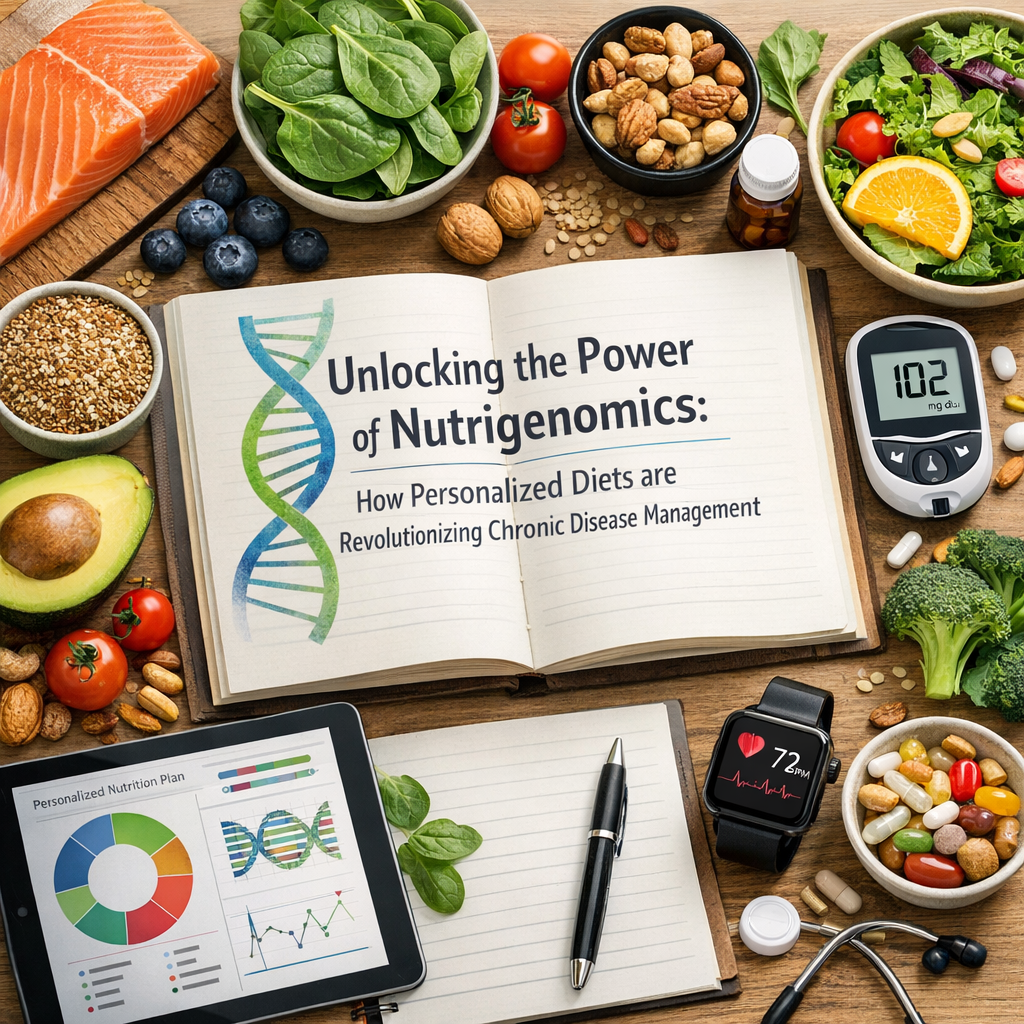
In today’s fast-paced world, health-conscious individuals are increasingly seeking personalized approaches to nutrition and wellness. Enter nutrigenomics, a cutting-edge field at the intersection of nutrition, genomics, and health. Nutrigenomics explores how individual genetic variations influence our body’s response to nutrients and dietary patterns, offering a personalized blueprint for optimal health.
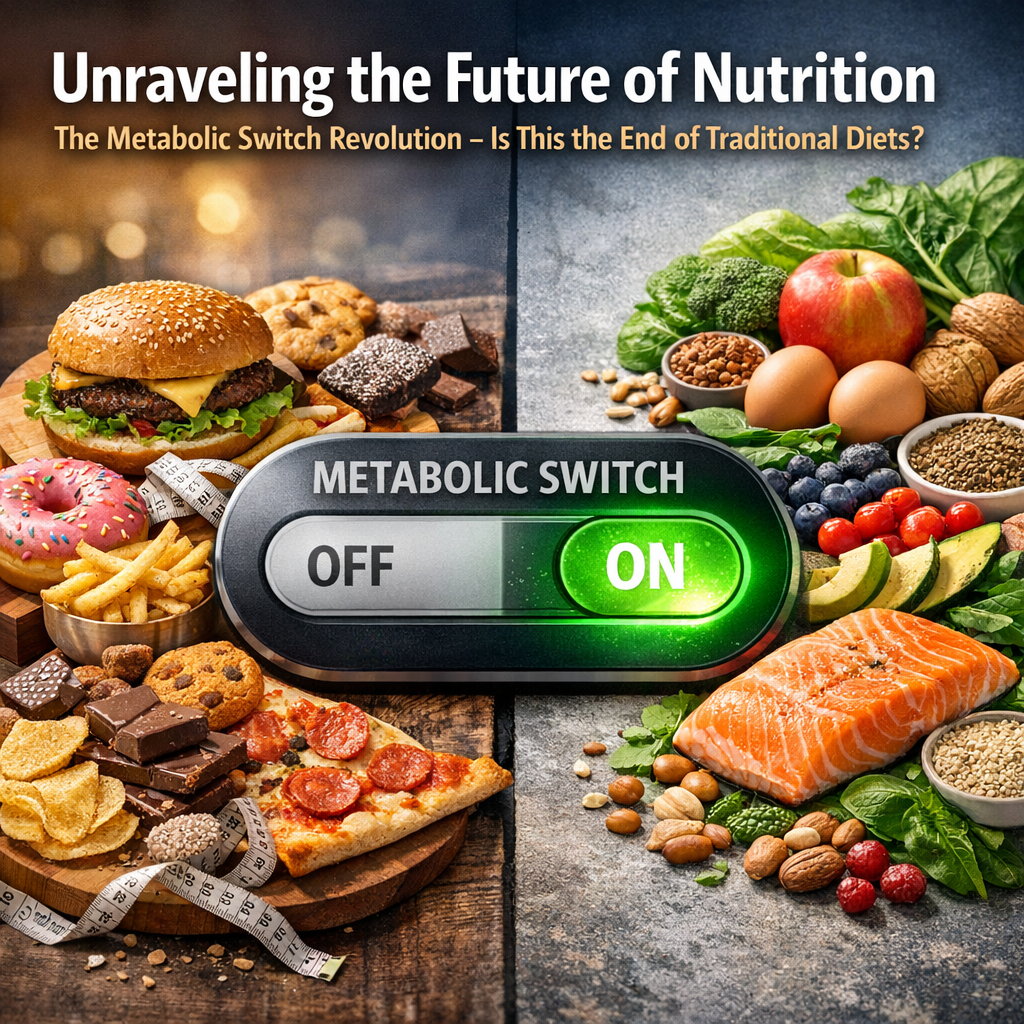
Imagine being able to tailor your diet to fit your unique genetic profile, optimizing your well-being, preventing disease, and enhancing longevity. This concept is becoming a reality, thanks to rapid advances in genetic research. Nutrigenomics holds the promise to revolutionize our approach to health by moving from a one-size-fits-all model to a personalized recommendation system known as ”food-as-medicine”.
The foundational idea behind food-as-medicine is that the right mix of nutrients acts as a powerful tool in controlling and even preventing chronic diseases like obesity, diabetes, and cardiovascular diseases. By understanding our genetic predispositions, we can harness the power of food to influence our health outcomes positively. Unlike synthetic drugs, this approach relies on natural cures and dietary modifications, making it vital in the realm of functional medicine.
Understanding how our genetic makeup influences our nutritional needs can pave the way for personalized dietary recommendations—helping reduce the risk of disease by promoting healthier eating patterns tailored specifically to individual requirements. Given the growing body of evidence supporting personalized nutrition, nutrigenomics is expected to play a pivotal role in the future of healthcare.
As we dive deeper into dietary science, nutrigenomics represents a fundamental shift—leading to the eradication of certain diseases, improved management of chronic conditions, and a better understanding of the diet-disease relationship. Join us as we explore the scientific foundations of nutrigenomics and envision a future where food-as-medicine is not just aspirational, but achievable.
Features
Recent studies illustrate the profound impact of nutrigenomics on health. A landmark study published in [*Nature Reviews Genetics*](https://www.nature.com/articles/nrg2794) outlines how certain gene variants affect nutrient metabolism and absorption, leading to varying health outcomes. A well-studied gene in this field, CYP1A2, modulates caffeine metabolism. Individuals with a particular variant of this gene process caffeine more slowly, increasing susceptibility to hypertension risks with high coffee intake. This insight can guide personalized dietary recommendations to support cardiovascular health.
Moreover, researchers at Stanford University’s [Personalized Nutrition Project](https://nutrition.stanford.edu/projects/personalized-nutrition-project) found that tailoring diets based on genetic information significantly improved clinical markers such as blood glucose levels, cholesterol, and inflammation markers. This project underscores the potential for nutrigenomics to enhance disease prevention and management through personalized dietary interventions.
The European Food Information Council’s [Personalised Nutrition and Health Program](https://www.eufic.org/en/food-today) aims to deliver evidence-based dietary guidelines, focusing on the real-world implementation of nutrigenomics. They acknowledge genetic, environmental, and lifestyle factors collectively impact health.
Furthermore, a study in the [*Journal of Nutritional Biochemistry*](https://www.journals.elsevier.com/the-journal-of-nutritional-biochemistry) highlights flavonoids—natural compounds in fruits and vegetables—and their interaction with our genetic material. It suggests these interactions could explain differing benefits from increased fruit and vegetable intake. Such findings demonstrate the complexity of nutrigenomics, showing how natural components in our diet can have personalized effects based on genetic makeup.
These insights illustrate the transformative potential of nutrigenomics in integrating natural cures and dietary adjustments as a standard in preventive and therapeutic strategies. The science behind nutrigenomics reinforces nutrition as a powerful, modifiable component of health—reinventing the possibilities of food-as-medicine for improving bodily and mental health.
Conclusion
In conclusion, nutrigenomics represents a pivotal shift in our understanding of diet, health, and disease prevention. By recognizing the profound impact of genetics on nutritional needs and responses, we can tailor interventions to improve outcomes across various health conditions. This personalized approach aligns with the holistic mindset of food-as-medicine, emphasizing natural cures and lifestyle adjustments over pharmaceutical interventions.
As nutrigenomics advances, we can expect a more integrative healthcare model leveraging our genetic blueprints to optimize nutrition and overall health. Whether by reducing chronic disease risk or enhancing well-being, the promise of personalized nutrition is immense. Investing in nutrigenomics paves the way for a healthier future where food truly acts as medicine, addressing some of today’s most pressing health challenges.
References
1. [Nature Reviews Genetics – Personalized nutrition by prediction of glycemic responses](https://www.nature.com/articles/nrg2794)
2. [Stanford University’s Personalized Nutrition Project](https://nutrition.stanford.edu/projects/personalized-nutrition-project)
3. [Journal of Nutritional Biochemistry – The interaction between flavonoids and our genetic material](https://www.journals.elsevier.com/the-journal-of-nutritional-biochemistry)
4. [European Food Information Council – Personalised Nutrition and Health Programme](https://www.eufic.org/en/food-today)
Concise Summary:
Nutrigenomics, blending nutrition, genomics, and health, offers a tailored approach to wellness, moving beyond one-size-fits-all diets. It identifies how genetic variations affect nutrient response, paving the way for personalized health strategies. This evolving field promises to revolutionize healthcare by turning food into medicine, enabling the prevention and management of chronic diseases through natural interventions. With the integration of genetic insights, dietary science is on the brink of minimizing diseases and improving well-being, marking nutrigenomics as a cornerstone in future healthcare models that optimize individual dietary needs.

Dominic E. is a passionate filmmaker navigating the exciting intersection of art and science. By day, he delves into the complexities of the human body as a full-time medical writer, meticulously translating intricate medical concepts into accessible and engaging narratives. By night, he explores the boundless realm of cinematic storytelling, crafting narratives that evoke emotion and challenge perspectives.
Film Student and Full-time Medical Writer for ContentVendor.com