The Future of Nutrigenomics: How Personalized DNA Diets Are Revolutionizing Chronic Disease Management
Topic Introduction:
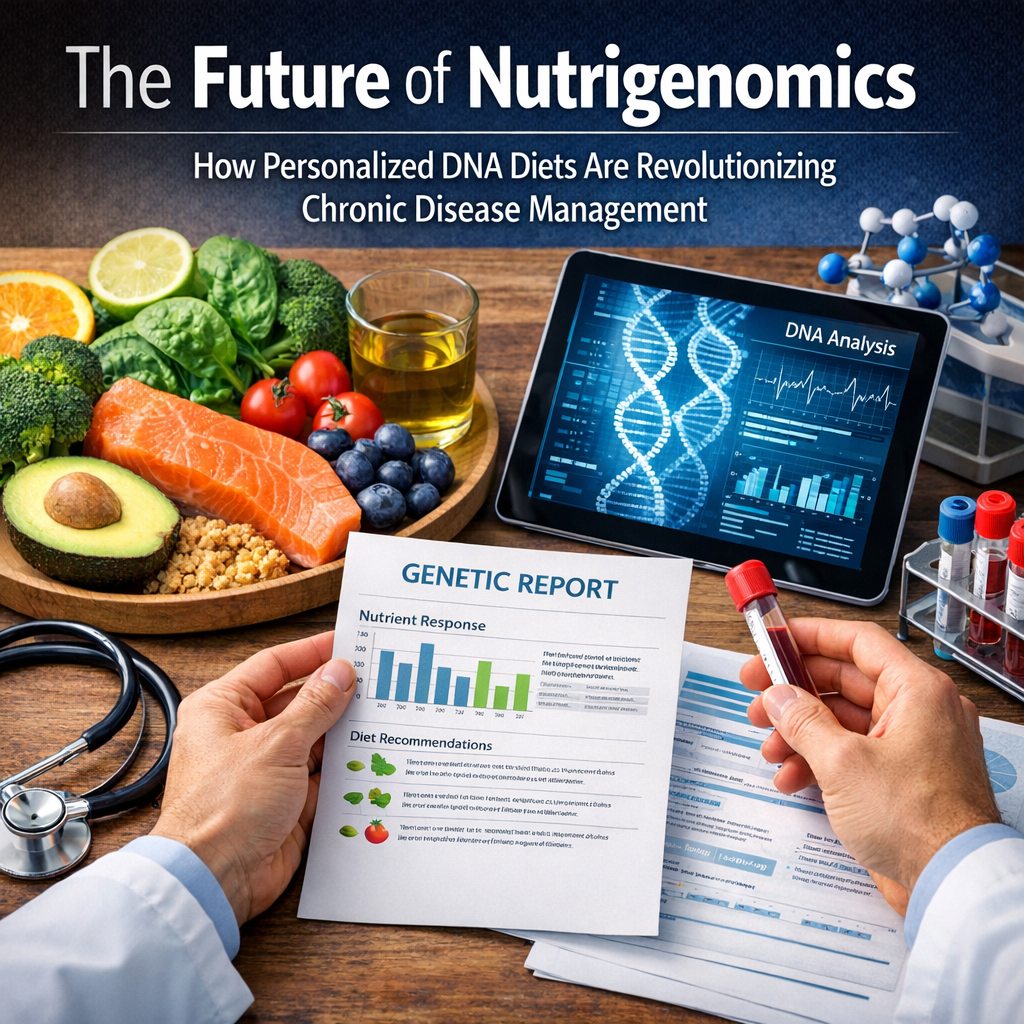
In recent years, the intersection of nutrition and genetics, known as nutrigenomics, has emerged as a promising frontier in chronic disease management. Traditional diets have adhered to a one-size-fits-all approach, but nutrigenomics leverages the uniqueness of an individual’s DNA to tailor personalized dietary recommendations. This innovative approach is poised to revolutionize how chronic diseases like diabetes, cardiovascular diseases, and obesity are managed and prevented.
At its core, nutrigenomics examines how our genes interact with various dietary components to influence genetic predisposition to certain chronic conditions. By optimizing this interaction, nutrigenomics mitigates the risk of chronic diseases. With advancements in genomics and a better understanding of bioindividuality, nutrigenomics is gaining traction among health professionals and patients. This shift enhances chronic condition management and sets the stage for preventative strategies individualized according to genetic makeup.
Beyond chronic diseases, personalized nutrition strategies show promise in boosting overall health, enhancing athletic performance, and optimizing mental well-being. Consumer interest is driving innovation and demand as more individuals seek bespoke dietary solutions aligned with their genetic profiles.
Features:
Numerous professional and medical studies emphasize the potential of nutrigenomics in chronic disease management. A study in the “[Journal of Nutrition and Metabolism](https://www.hindawi.com/journals/jnme/)” highlights how genetic variations significantly influence nutrient metabolism. Variations in the FTO gene have been linked to obesity, providing insights into dietary responses of individuals with such variations.
A pivotal study published in “[Nature Communications](https://www.nature.com/ncomms/)” demonstrated improved blood sugar control in individuals predisposed to Type 2 diabetes when adhering to genetically tailored diets. This underscores the potential of DNA diets for customized interventions beyond generalized nutritional guidelines.
Furthermore, research from the “[American Journal of Clinical Nutrition](https://www.academic.oup.com/ajcn)” shows that incorporating genetic information into dietary planning yields significantly better outcomes compared to traditional dietary advice. Notable improvements were observed in cardiovascular health, emphasizing the efficacy of personalized nutrition in disease prevention.
Research from the [European Nutrigenomics Organisation (NuGO)](http://www.nugo.org/) supports the impact of nutrigenomics on health and longevity. NuGO’s studies illustrate paths for tackling diet-related diseases, such as inflammatory conditions, through targeted nutrition.
Conclusion:
The future of nutrigenomics holds immense promise for chronic disease management. By harnessing the power of genomics to understand the intricate relationship between diet and genetic expression, targeted DNA diets offer individualized solutions for health challenges. As research and technology advance, personalized nutrition based on genetic profiles is poised to become a staple in healthcare strategies worldwide.
For consumers, this means moving beyond outdated dietary recommendations and adopting a more scientific, data-driven approach to nutrition that respects genetic intricacies. The implications for public health policies and clinical practice are significant, requiring integration of these findings into mainstream healthcare. As we approach this nutritional revolution, the quest for longevity and disease-free living is more attainable than ever.
In embarking on this journey, professional guidance is critical. Nutrigenomics focuses on optimizing diets to align with genetic potential, enhancing chronic disease management and overall quality of life.
References:
– [Journal of Nutrition and Metabolism](https://www.hindawi.com/journals/jnme/)
– [Nature Communications](https://www.nature.com/ncomms/)
– [American Journal of Clinical Nutrition](https://www.academic.oup.com/ajcn)
– [NuGO](http://www.nugo.org/)
Concise Summary
The field of nutrigenomics combines nutrition and genetics to create personalized dietary recommendations based on individual DNA, revolutionizing chronic disease management. As research advances, this approach is enhancing disease prevention and management for conditions like diabetes, obesity, and cardiovascular diseases. Studies show significant health improvements using DNA-based diets, encouraging integration of genetic testing into dietary planning. The approach extends beyond chronic diseases, promising advancements in overall health, athletic performance, and mental well-being. Nutrigenomics stands as a cornerstone of personalized healthcare, steering public health strategies towards prevention and holistic well-being.

Dominic E. is a passionate filmmaker navigating the exciting intersection of art and science. By day, he delves into the complexities of the human body as a full-time medical writer, meticulously translating intricate medical concepts into accessible and engaging narratives. By night, he explores the boundless realm of cinematic storytelling, crafting narratives that evoke emotion and challenge perspectives.
Film Student and Full-time Medical Writer for ContentVendor.com