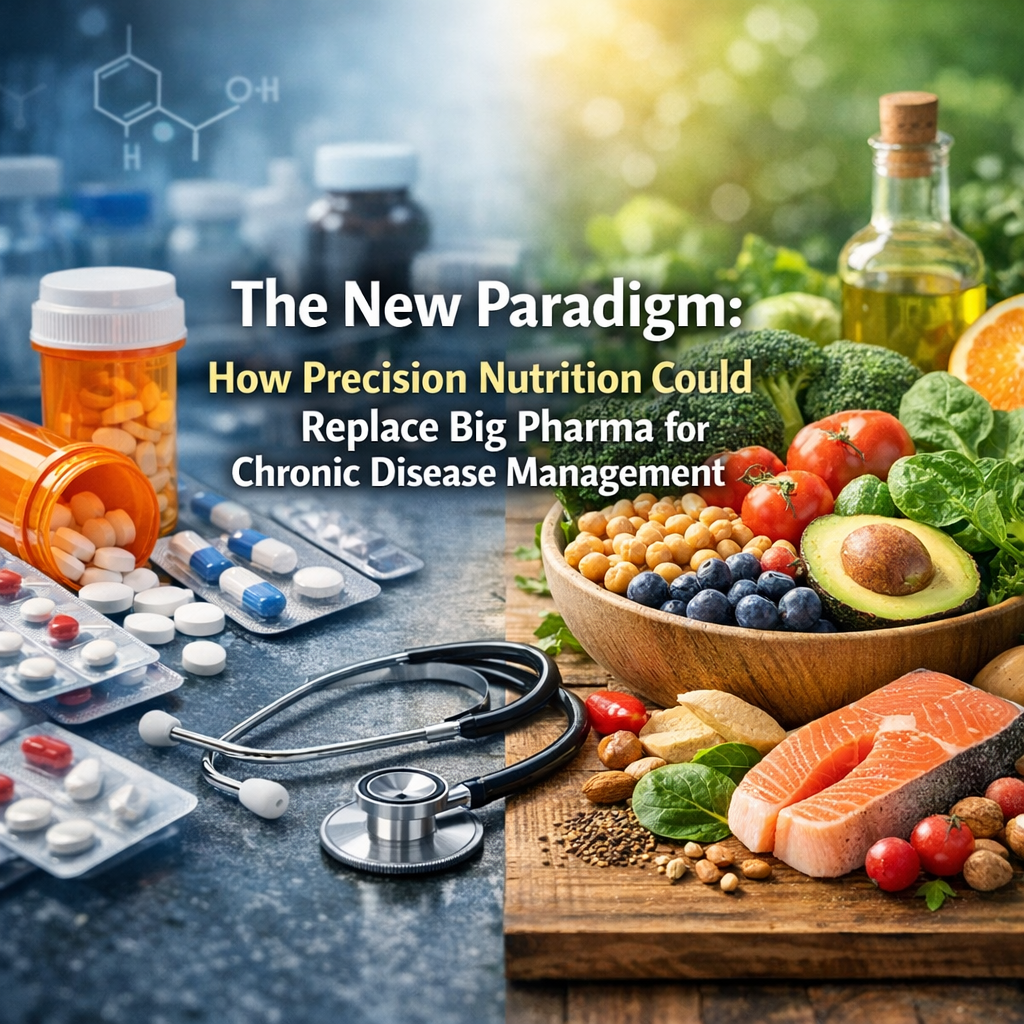
The New Paradigm: How Precision Nutrition Could Replace Big Pharma for Chronic Disease Management
Introduction
In recent years, the healthcare landscape has shifted dramatically. The advent of personalized medicine and increasing interest in holistic health has led to a growing curiosity around precision nutrition—the concept of tailoring dietary interventions to optimize individual health outcomes. As chronic diseases—such as diabetes, cardiovascular disease, and obesity—continue to escalate globally, there’s a compelling argument that precision nutrition might offer an effective alternative or complement to traditional pharmaceutical approaches in managing these conditions.
Chronic diseases account for a significant proportion of healthcare costs and present a substantial burden to public health systems worldwide. Traditional management often involves the use of pharmaceuticals to alleviate symptoms or halt disease progression. However, these treatments rarely address root causes and sometimes lead to undesired side effects.
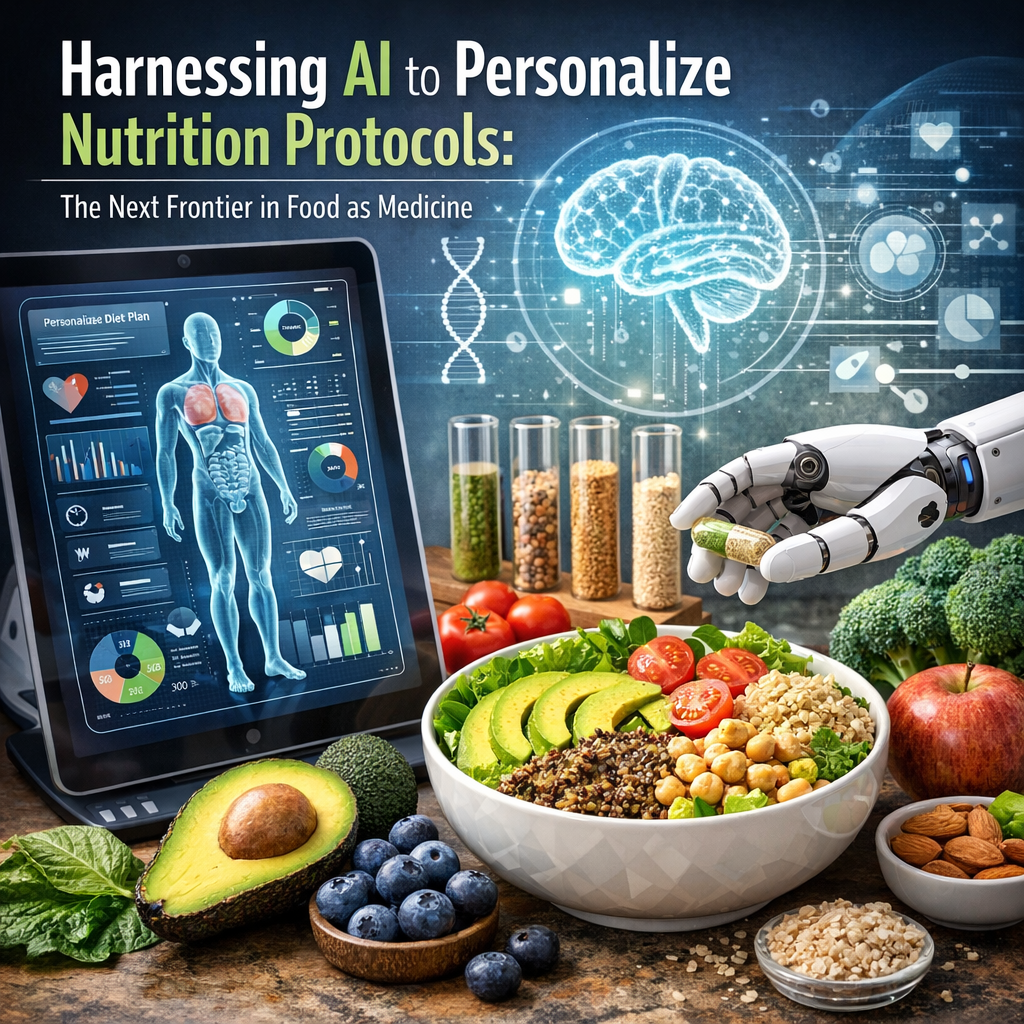
Precision nutrition, on the other hand, considers genetic, metabolic, and environmental factors to devise dietary interventions specific to an individual’s unique biochemical makeup. This approach not only focuses on symptom management but also addresses the underlying causes of the disease, potentially leading to more effective management and even disease reversal.
Technological advancements—such as genomics, bioinformatics, and metabolomics—have equipped nutritionists and healthcare providers with powerful tools to analyze complex biochemical data. This enables the formulation of highly personalized dietary recommendations that hold the promise of transforming chronic disease management. Recent studies have shown that certain nutrients can positively influence gene expression and metabolic pathways, leading to improved health outcomes for individuals with chronic conditions.
With the rising cost of pharmaceuticals and the increasing number of people seeking alternative treatment strategies, precision nutrition emerges as a sustainable option with potential long-term benefits. Not only can it enhance individual health outcomes, but it also advocates a preventive rather than reactive approach to health, aligning perfectly with the modern paradigm shift toward wellness and preventive healthcare.
Features
The growing body of scientific research underpinning precision nutrition is compelling. A critical study published in the journal Cell revealed how dietary interventions based on genetic analysis significantly impacted the management of type 2 diabetes. [Participants](http://www.cell.com/article/S0092-8674(15)01481-6/fulltext) who received personalized nutritional advice experienced improved glycemic control compared to those on standard generic diets. These findings underscore the importance of tailored dietary plans in managing and potentially reversing chronic diseases.
Another significant study, published in Nature Medicine, demonstrated how individuals on personalized diets based on data-driven algorithms showed marked improvement in blood lipid levels, thus reducing their cardiovascular risk. [This research](https://www.nature.com/articles/s41591-020-0934-0) supports the hypothesis that precision nutrition could alter disease trajectories and potentially reduce reliance on pharmaceutical interventions.
Moreover, a comprehensive review in The American Journal of Clinical Nutrition highlighted several cases where certain nutrients and dietary patterns, such as omega-3 fatty acids, nuts, and whole grains, positively influenced cardiovascular health through precise nutrient-gene interaction. [This approach](https://academic.oup.com/ajcn/article/99/5/1276S/4577229) underscores the potential of dietary strategies to manage chronic conditions and unsettle the current pharmaceutical dominion.
The ability to identify genetic predispositions to certain diseases also enables the development of strategic nutritional plans that can delay onset or mitigate the severity of conditions. As our understanding of nutrigenomics expands, so too does the potential for precision nutrition to redefine chronic disease management. These studies suggest a promising future where chronic diseases might be managed more effectively with dietary interventions rather than a one-size-fits-all pharmaceutical approach.
Conclusion
The emerging paradigm of precision nutrition offers an optimistic vision for the future of chronic disease management. By leveraging genetic and biochemical data, precision nutrition presents a proactive, preventive, and personalized approach that aligns individuals with their optimal diet—a stark contrast to the traditional reactive pharmaceutical model. As more individuals embrace this approach, the reduction in dependency on drugs for chronic conditions seems plausible.
Furthermore, the transition toward precision nutrition aligns with a broader societal trend toward sustainability and health empowerment. This transition could enable individuals not only to prevent and manage chronic diseases more effectively but also to achieve overall improved well-being.
While the precision nutrition revolution is still in its early stages, the accumulating evidence supporting its efficacy continues to grow. As a society, embracing this paradigm shift could herald a new era in health and wellness, challenging the dominance of big pharma in chronic disease management and shifting us closer to personalized healthcare solutions.
References
1. [Zeevi, D., et al. (2015). Personalized Nutrition by Prediction of Glycemic Responses. *Cell*](http://www.cell.com/article/S0092-8674(15)01481-6/fulltext)
2. [Korem, T., et al. (2020). Bread Affects Clinical Parameters and Induces Gut Microbiome-Associated Personalized Glycemic Responses. *Nature Medicine*](https://www.nature.com/articles/s41591-020-0934-0)
3. [Ferguson, L. R. (2014). Nutrigenomics Approaches to Functional Foods. *The American Journal of Clinical Nutrition*](https://academic.oup.com/ajcn/article/99/5/1276S/4577229)
Concise Summary
Precision nutrition leverages genetic and biochemical data to personalize dietary interventions tailored to individual needs, offering a potential alternative or complement to traditional pharmaceuticals in managing chronic diseases. With technological advancements and increasing scientific evidence supporting the efficacy of precision nutrition, this approach promises to address the root causes of diseases and promote preventive healthcare. As interest in personalized medicine and holistic wellness grows, precision nutrition may challenge the traditional pharmaceutical model, emphasizing sustainability and individual empowerment in chronic disease management.

Dominic E. is a passionate filmmaker navigating the exciting intersection of art and science. By day, he delves into the complexities of the human body as a full-time medical writer, meticulously translating intricate medical concepts into accessible and engaging narratives. By night, he explores the boundless realm of cinematic storytelling, crafting narratives that evoke emotion and challenge perspectives.
Film Student and Full-time Medical Writer for ContentVendor.com