“`html
Can Cutting-Edge AI in Personalized Meal Plans Outperform Traditional Medicine for Chronic Disease Management?
Introduction
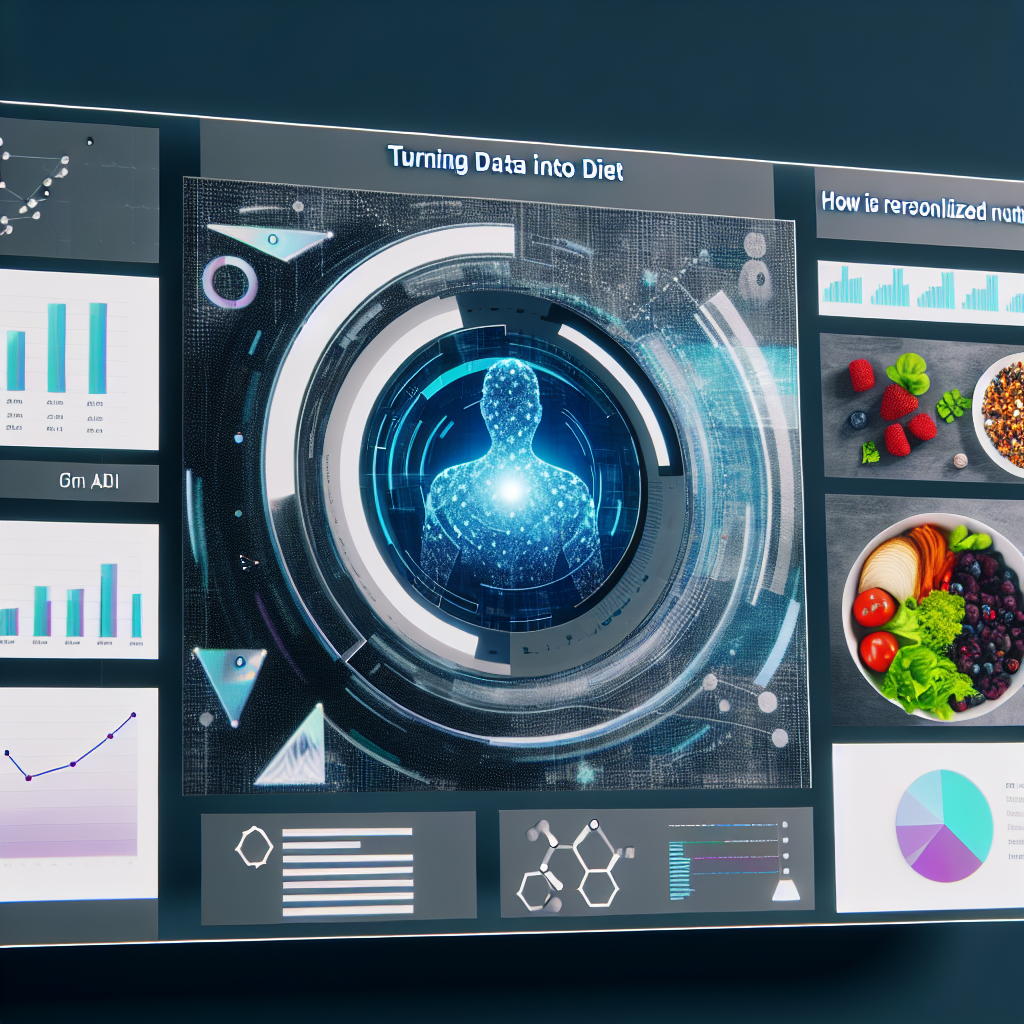
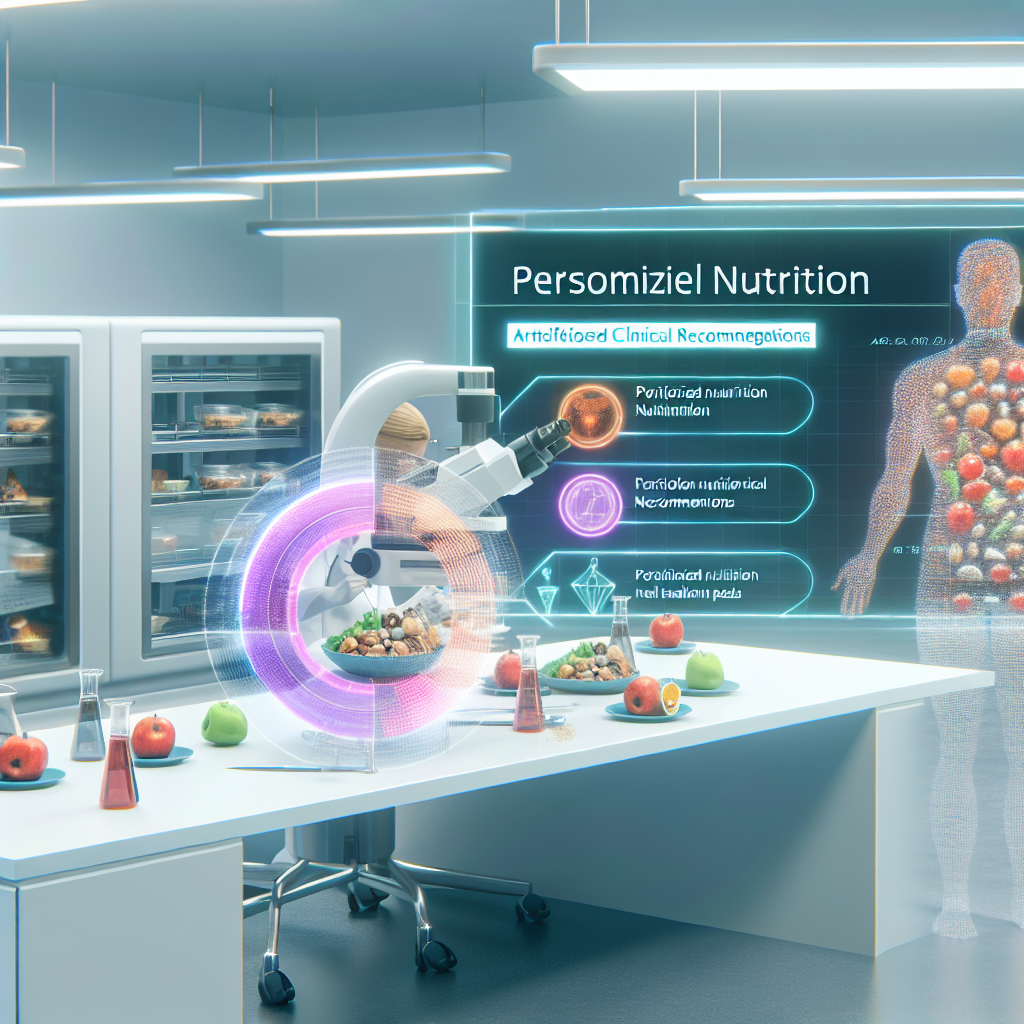
In recent years, there has been a notable fusion of health and technology, particularly in the realm of chronic disease management. Chronic diseases like diabetes, cardiovascular disorders, and autoimmune conditions have traditionally been managed via medication, lifestyle changes, and sometimes surgery. However, with the increasing prevalence of these conditions, there is a heightened demand for more efficient and personalized treatment options. In this context, artificial intelligence (AI) in personalized meal planning emerges as a novel approach that integrates AI’s computational abilities with nutrition science. This approach offers individualized dietary solutions by utilizing data such as genetic information, lifestyle factors, and gut microbiome analysis. Its ultimate aim is to tackle the root causes of chronic diseases by optimizing nutrient intake, unlike traditional medicine, which focuses on symptomatic relief and maintenance.
The question now arises: Can AI-driven nutrition not only complement but potentially surpass traditional medicine in managing chronic diseases? The concept is intriguing, but scientific validation and practical feasibility are essential considerations.
By employing machine learning algorithms, AI platforms analyze vast datasets to identify hidden patterns and correlations, making them particularly useful in creating personalized dietary plans that account for individual differences in metabolism, nutrient absorption, and lifestyle. As the conversation around personalized nutrition gains momentum, understanding AI’s potential to revolutionize chronic disease management becomes critical.
Features
The incorporation of AI in personalized meal planning aligns with several professional and medical studies that emphasize the significance of personalized nutrition in chronic disease management. A breakthrough study published in the journal [Nature](https://www.nature.com/articles/nature14202) in 2015 illustrated varying glycemic responses in individuals consuming identical meals, underscoring the importance of personalized dietary recommendations (Zeevi, D., et al.). This research highlights that a “one-size-fits-all” approach is increasingly outdated, and that personalized diets based on individual responses can significantly improve health outcomes.
Further, a study in the [Journal of Biomedical Informatics](https://www.sciencedirect.com/science/article/pii/S1532046416301156) explored the application of machine learning in predicting individual dietary responses, revealing that AI models could effectively parse complex biological data to recommend diets tailored to individual metabolic responses. This could potentially reduce the risks associated with chronic diseases (Arora, T., and Bäckhed, F.). By recognizing the intricacies of nutritional genomics—a field where genetic variations affect dietary efficacy—AI enables refined dietary prescriptions that might be overlooked by traditional methods.
In addition, companies like Nutrigenomix are leading genetic testing to customize nutrition plans. Their research stresses that personalized nutrition recommendations can lead to better adherence and superior results compared to generalized dietary guidelines (Arkadianos, I., et al.). AI not only streamlines this process but also continuously updates recommendations, ensuring meal plans are ever-evolving to align with the user’s ongoing health needs.
Despite promising findings, the success of AI-driven nutritional planning hinges on interdisciplinary collaboration among technologists, nutritionists, and healthcare practitioners. This comprehensive approach guarantees that meal plans are not only personalized but also scientifically sound and clinically effective.
Conclusion
AI in personalized meal planning presents a compelling alternative to the conventional management of chronic diseases. By harnessing big data and machine learning, AI can deliver highly tailored dietary solutions that cater to each individual’s unique physiological makeup. While traditional medicine will retain a core role in healthcare, AI’s integration provides a promising adjunct therapy that could enhance and optimize chronic disease management.
As we approach a technological transformation in healthcare, the potential of AI-driven personalized nutrition warrants rigorous exploration and careful optimism. Further research and practical implementations will be crucial in validating these innovative strategies’ efficacy and safety. Nevertheless, AI outpacing traditional methods in specific aspects of chronic disease management is an exciting frontier for medical science and personalized healthcare.
References
– Zeevi, D., et al. “Personalized Nutrition by Prediction of Glycemic Responses.” [Nature, 2015](https://www.nature.com/articles/nature14202).
– Arora, T., and Bäckhed, F. “The Role of Gut Microbiota in Obesity and Diabetes.” [Journal of Biomedical Informatics, 2016](https://www.sciencedirect.com/science/article/pii/S1532046416301156).
– Arkadianos, I., et al. “Improved Weight Management Using Genetic Information to Personalize a Calorie Controlled Diet.” [Nutrigenomics, 2007](https://academic.oup.com/ajcn/article/86/6/1561/4903802).
Concise Summary
AI in personalized meal planning is revolutionizing chronic disease management by creating tailored dietary solutions based on individual genetic, lifestyle, and microbiome data. Research shows that AI-driven nutrition significantly improves health outcomes compared to traditional one-size-fits-all approaches. Leveraging machine learning, these solutions offer refined dietary prescriptions for chronic diseases like diabetes and cardiovascular disorders. While promising, the successful application of AI in healthcare needs interdisciplinary collaboration and ongoing research to validate its efficacy and safety. This approach could complement traditional medicine, offering an exciting future for personalized healthcare.
“`

Dominic E. is a passionate filmmaker navigating the exciting intersection of art and science. By day, he delves into the complexities of the human body as a full-time medical writer, meticulously translating intricate medical concepts into accessible and engaging narratives. By night, he explores the boundless realm of cinematic storytelling, crafting narratives that evoke emotion and challenge perspectives.
Film Student and Full-time Medical Writer for ContentVendor.com