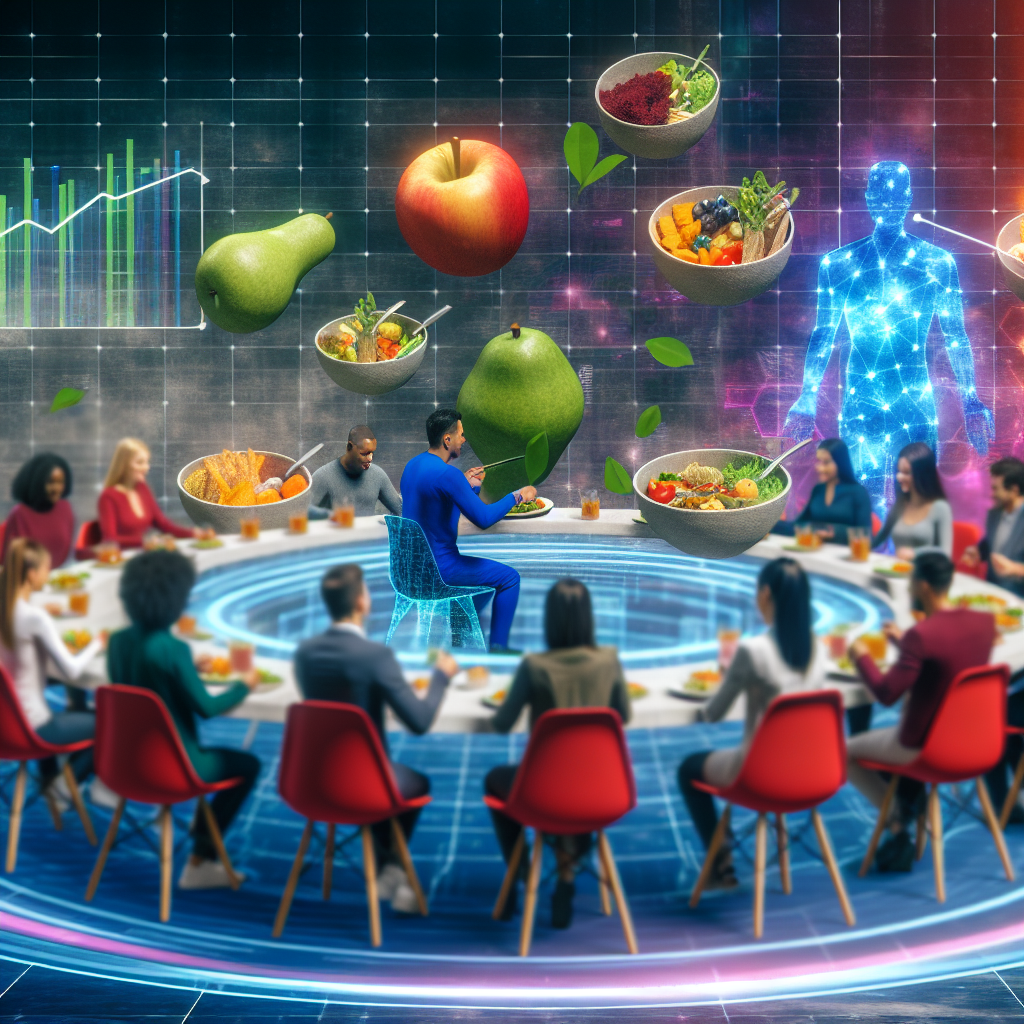
The Future of Personalized Nutrition: How AI is Transforming Food Medicine for Chronic Health Conditions
In an era teeming with technological advancements, the convergence of Artificial Intelligence (AI) and personalized nutrition is paving new paths in health optimization, especially for managing chronic health conditions. The global health sector is experiencing a shift to data-driven strategies tailored to individual needs, blending traditional practices with cutting-edge technology. Personalized nutrition, using AI, offers a promising frontier in nutritional sciences and holistic health management, focusing on individual dietary needs rather than generic guidelines.
Personalized nutrition, once limited to understanding macronutrients and food pyramids, now encompasses the complex interaction between genetics, gut microbiota, lifestyle, and diet. This shift acknowledges that individual responses to food and nutrients vary significantly, influenced by genetic and environmental factors. It promises more precise dietary interventions, promoting improved health outcomes, particularly for those challenged by chronic conditions such as diabetes, cardiovascular diseases, and autoimmune disorders.
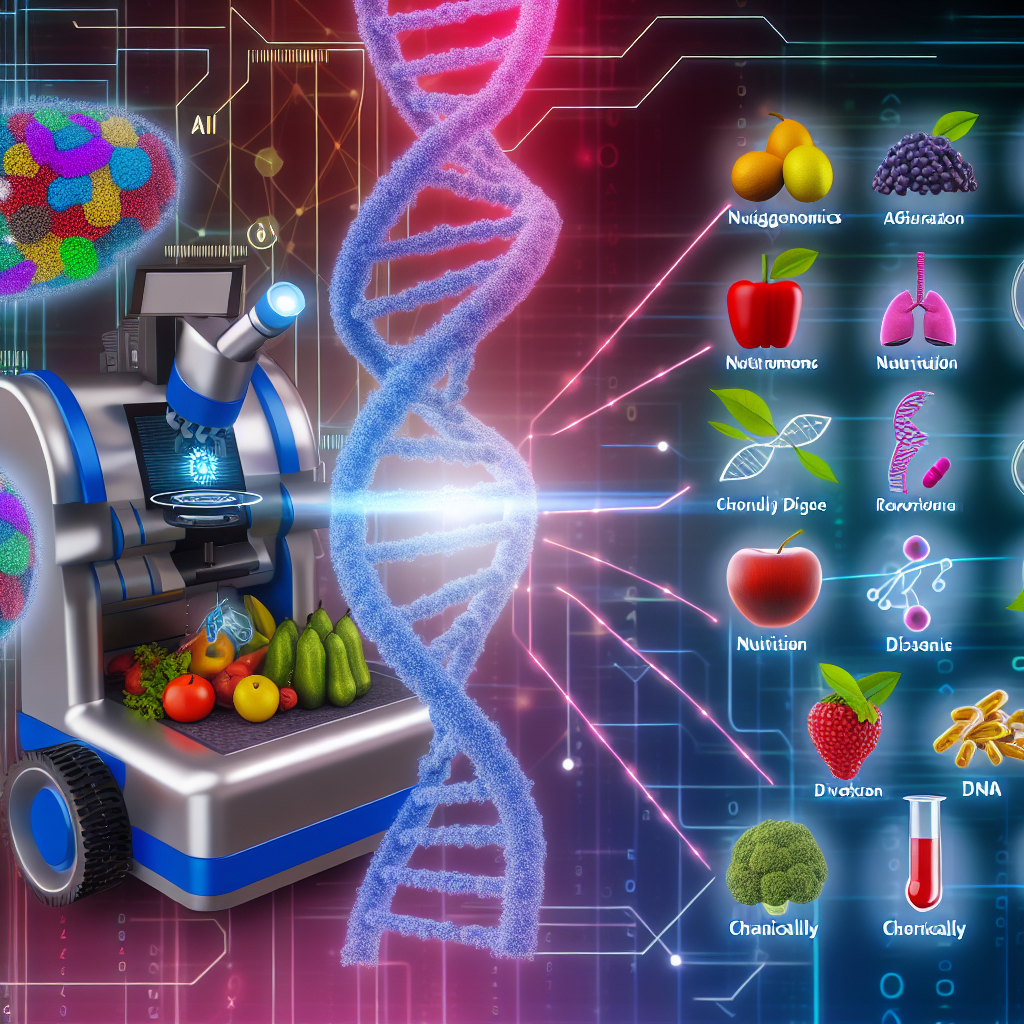
Artificial Intelligence is at the heart of this evolution, serving as a crucial tool in analyzing vast datasets to decipher individual nutritional needs. Through machine learning algorithms and data analytics, AI can recommend personalized dietary plans by analyzing one’s genetic makeup, gut flora, and even current health status. This tailor-made approach not only aims to manage existing chronic conditions but also works proactively to prevent potential health issues.
As patients and healthcare providers transition from traditional practices to a more personalized, AI-powered approach, the potential benefits include better patient compliance, reduced healthcare costs, and improved overall health. The field of nutrigenomics, which studies the interaction between nutrition and genes, is significantly accentuated by AI, enabling healthcare practitioners to create more impactful, preventative nutrition strategies against chronic diseases.
AI’s role is not limited to data analysis but extends to providing real-time feedback. Innovative mobile apps equipped with AI functionalities offer user-friendly dashboards that monitor dietary habits and suggest modifications. This continuous loop of data input and analysis makes personalized nutrition plans dynamic and adaptable to real-time changes in a user’s body and lifestyle.
Features and Studies on AI and Personalized Nutrition
Research substantiates the burgeoning role of AI in personalized nutrition, underscoring its potential to revolutionize food medicine for chronic health conditions. A study conducted by the American Journal of Clinical Nutrition highlights how personalized dietary plans developed using AI significantly improved the metabolic markers of participants compared to standard dietary guidelines ([source](https://academic.oup.com/ajcn/article/112/2/339/5869406)).
Moreover, a clinical trial by Nutritional Genomics Research Group explored AI’s efficacy in tailoring diets to individual genetic markers. The results indicated meaningful reduction in cholesterol levels and insulin resistance among participants with personalized diets, advocating for AI’s impactful contribution to managing chronic conditions ([source](https://www.cambridge.org/core/journals/nutrition-research-reviews/article/20-years-of-nutrigenetics-where-have-we-been-and-where-s-should-we-be-going/405002204C0D)).
Another key study published in Frontiers in Nutrition delves into AI’s ability to predict gut microbiota responses to dietary changes. It suggests that AI-driven nutritional plans could improve gut health, a crucial factor in managing conditions such as inflammatory bowel disease and type 2 diabetes ([source](https://www.frontiersin.org/articles/10.3389/fnut.2020.00164/full)).
Furthermore, the integration of wearable technology with AI, as discussed in a Journal of Medical Internet Research paper, has shown significant influence in enhancing adherence to dietary recommendations. The study highlights that AI-driven, personalized feedback fosters better dietary compliance, facilitating the effective management of chronic health conditions ([source](https://www.jmir.org/2020/9/e20783/)).
These studies collectively indicate a promising future where AI not only facilitates individualized dietary interventions but also contributes to broader public health outcomes by refining dietary strategies at a population level.
Conclusion
The fusion of AI with personalized nutrition heralds a transformative era in food medicine, particularly in the domain of chronic health conditions. This innovative approach goes beyond conventional nutritional advice, embracing a comprehensive understanding of individual needs through advanced data analytics and machine learning. By offering tailor-made dietary solutions, AI presents a scalable approach to manage and forestall chronic diseases, ultimately paving the way for healthier lives.
In the coming years, as AI technologies continue to evolve, the potential for increasingly personalized, efficient, and effective nutritional strategies will expand. This progress promises to support healthcare practitioners in crafting preventive, therapeutically potent dietary recommendations. Embracing AI-driven personalized nutrition not only empowers individuals in their health journeys but also stands to redefine the future of global health care paradigms.
The substantial evidence supporting AI’s role in personalizing nutrition underscores a pivotal shift towards individualized care. As such, integrating AI into dietary management plans could be the cornerstone of achieving robust, long-term health outcomes in the battle against chronic health conditions.
Concise Summary
Integrating AI with personalized nutrition is reshaping health optimization, especially for chronic conditions. Advancements focus on individual dietary needs, surpassing traditional advice through AI-driven analysis of genetics, gut microbiota, and lifestyle. Personalized plans improve compliance and health outcomes by providing tailored feedback, as highlighted by studies in American Journal of Clinical Nutrition and Frontiers in Nutrition. The field of nutrigenomics sees AI enhancing strategies for better disease management. Future developments promise more effective personal and public health nutrition approaches, revolutionizing chronic disease management.

Dominic E. is a passionate filmmaker navigating the exciting intersection of art and science. By day, he delves into the complexities of the human body as a full-time medical writer, meticulously translating intricate medical concepts into accessible and engaging narratives. By night, he explores the boundless realm of cinematic storytelling, crafting narratives that evoke emotion and challenge perspectives.
Film Student and Full-time Medical Writer for ContentVendor.com