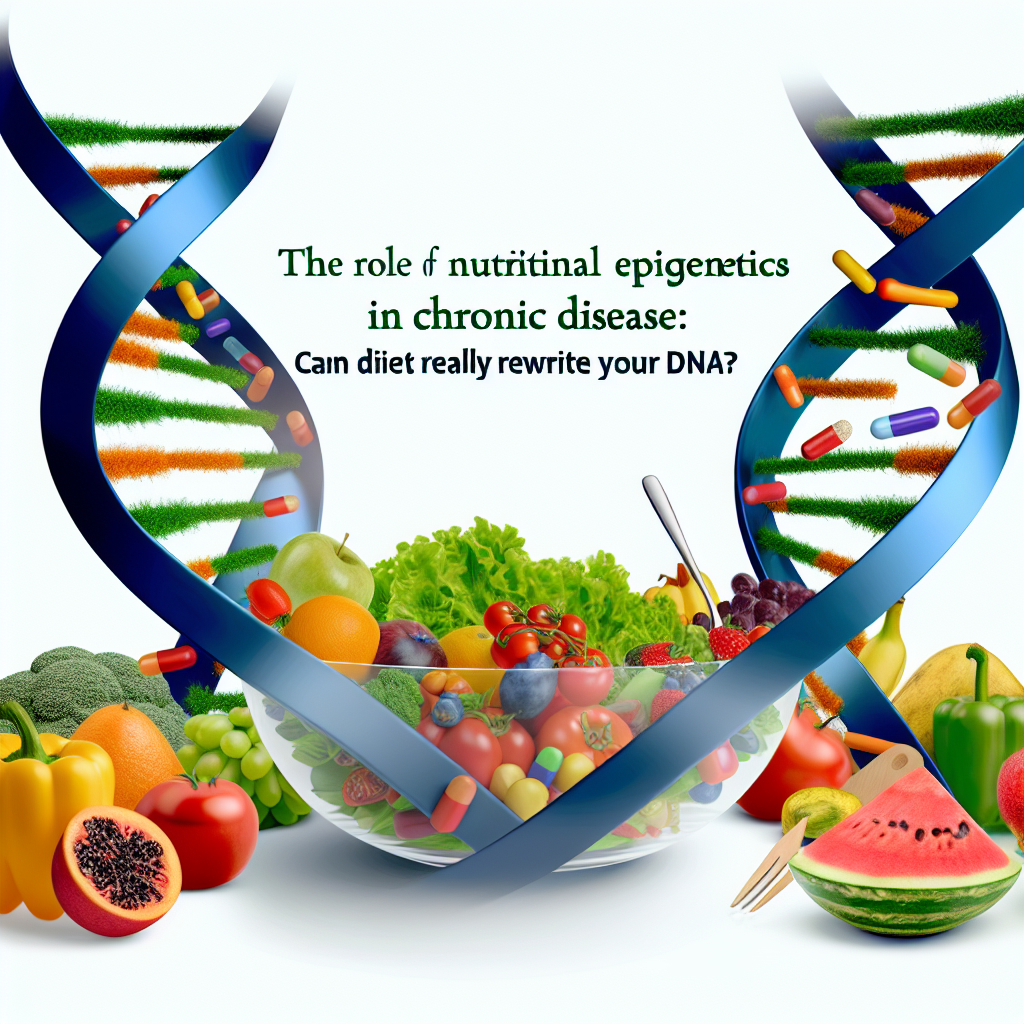
The Role of Nutritional Epigenetics in Chronic Disease: Can Diet Really Rewrite Your DNA?
In recent years, the concept of nutritional epigenetics has emerged as a groundbreaking field of study, challenging the traditional views of genetic determinism in disease progression. The age-old debate surrounding “nature versus nurture” has taken an intriguing turn, as researchers delve into how our diet can influence the expression of genes associated with chronic diseases. The burgeoning field of epigenetics provides a lens through which we can understand how lifestyle factors, especially nutrition, can “turn on” or “turn off” specific genes, potentially rewriting our genetic destiny.
Epigenetics doesn’t change the DNA sequence itself but involves chemical modifications such as DNA methylation and histone modification that regulate gene expression. Factors such as environmental influences, stress, and diet can lead to epigenetic changes, making them pivotal in our health trajectory. Nutritional epigenetics specifically looks at how nutrients and bioactive food components affect these epigenetic mechanisms, influencing health outcomes.
The implications of epigenetics are profound, especially regarding chronic diseases like obesity, diabetes, heart disease, and certain cancers. These conditions, previously attributed largely to genetic predisposition or lifestyle alone, are now seen through the dual lens of genetic potential modified by nutritional choices. Researchers have identified that components in foods such as folate, resveratrol, sulforaphane, and polyphenols, to name a few, can significantly affect gene expression. For instance, polyphenols, abundant in fruits and vegetables, may have protective effects against certain cancers by modifying DNA methylation patterns.
Rooted in the emerging science of nutritional epigenetics is the moving realization that our diets carry the power not just to maintain or degrade health, but also to alter our genetic expression in ways that can mitigate the risk of chronic disease. This has sparked a shift towards personalized nutrition, which aims to tailor dietary guidelines based on an individual’s genetic makeup. Additionally, this understanding empowers us with the agency to make informed, health-promoting dietary choices that could possibly prevent the onset of debilitating conditions. In a world where chronic diseases form a considerable burden on healthcare systems, unlocking the secrets of nutritional epigenetics holds the promise of highly personalized and preventative health strategies.
Features
Over the last decade, several professional and medical studies have delved deeply into the fascinating interplay between diet and genetic expression, reshaping our understanding of chronic diseases. One landmark study was published in the journal Nature Reviews Genetics, which emphasized the role of epigenetic modifications in response to dietary factors and their subsequent effects on chronic disease risk. This body of work substantiates the idea that nutrition can profoundly influence gene regulation mechanisms which govern the body’s physiological responses.
For instance, research conducted at the University of Southampton explored maternal nutrition’s effects on offspring through epigenetic changes. Their study underscored the significance of prenatal diet, demonstrating that inadequate or imbalanced nutritional intake during gestation can alter the epigenome of progeny, predisposing them to obesity and metabolic disorders later in life.
Similarly, another extensive study in China, detailed in Science Advances, found that high sulfur compounds found in cruciferous vegetables such as broccoli and Brussels sprouts can modify histone acetylation. This alteration can potentially reduce inflammation and lower cancer risk, representing a tangible dietary approach to manipulating gene expression for fostering better health outcomes.
Furthermore, a study presented at the American Heart Association’s Scientific Sessions showed how omega-3 fatty acids – commonly found in fish oils – enhance the methylation of genes involved in heart disease, suggesting heart health benefits embedded within genetic layers when consuming these nutrients. According to Dr. Arjun Bhutkar, a leading researcher in the study, these findings illuminate how traditionally celebrated healthy foods can play an active role in health management through modification of genetic instruction blueprints.
The burgeoning evidence base connects nutrition with gene expression and chronic disease, giving rise to new paradigms in preventive medicine and personalized health care. As scientists continually improve our understanding of these complex biochemical cascades, it is becoming increasingly evident that dietary choices do indeed wield the transformative potential to ‘rewrite’ our genetic destiny.
Conclusion
The exploration of nutritional epigenetics brings forth an exciting horizon where diet becomes more than just sustenance. It becomes a tool for gene regulation, offering hope in managing and potentially preventing chronic diseases. By acknowledging and harnessing the power of nutrition to influence gene expression, we are not only opening doors to innovative treatment methodologies but also to a future where personalized nutrition takes precedence in healthcare strategies. This underscores the importance of making informed dietary choices, which can have long-lasting effects on our health and wellbeing.
As the field continues to evolve, future research promises to uncover precise nutritional interventions tailored to individual genetic profiles, amplifying the potential for lifestyle-integrated disease management. Embracing this cutting-edge understanding of how “you are what you eat” influences “who you are at the genetic level,” allows for a greater grasp of preventive healthcare and the empowerment of individuals to take control of their health destinies through informed choices.
References
1. Nature Reviews Genetics. “Epigenetics and the impact on chronic disease.”
2. Science Advances. “Dietary modulation of inflammation and cancer risk.”
3. American Heart Association. “Omega-3 fatty acids and heart health.”
Concise Summary
Nutritional epigenetics is revolutionizing our understanding of how diet influences gene expression and chronic disease. Unlike altering the DNA sequence, it involves changes like DNA methylation. Research highlights diet’s potential to activate or deactivate genes, impacting conditions like diabetes and heart disease. Foods such as polyphenols and omega-3 fatty acids can modify epigenetic patterns, suggesting personalized nutrition as a method for chronic disease management. Studies show prenatal nutrition also affects offspring’s health predispositions. This emphasizes the significance of diet in preventative health, offering individuals the power to shape their genetic health outcomes.

Dominic E. is a passionate filmmaker navigating the exciting intersection of art and science. By day, he delves into the complexities of the human body as a full-time medical writer, meticulously translating intricate medical concepts into accessible and engaging narratives. By night, he explores the boundless realm of cinematic storytelling, crafting narratives that evoke emotion and challenge perspectives.
Film Student and Full-time Medical Writer for ContentVendor.com