Unlocking the Food Microbiome Code: How Gut Bacteria Could Revolutionize Personalized Nutrition Protocols
Introduction
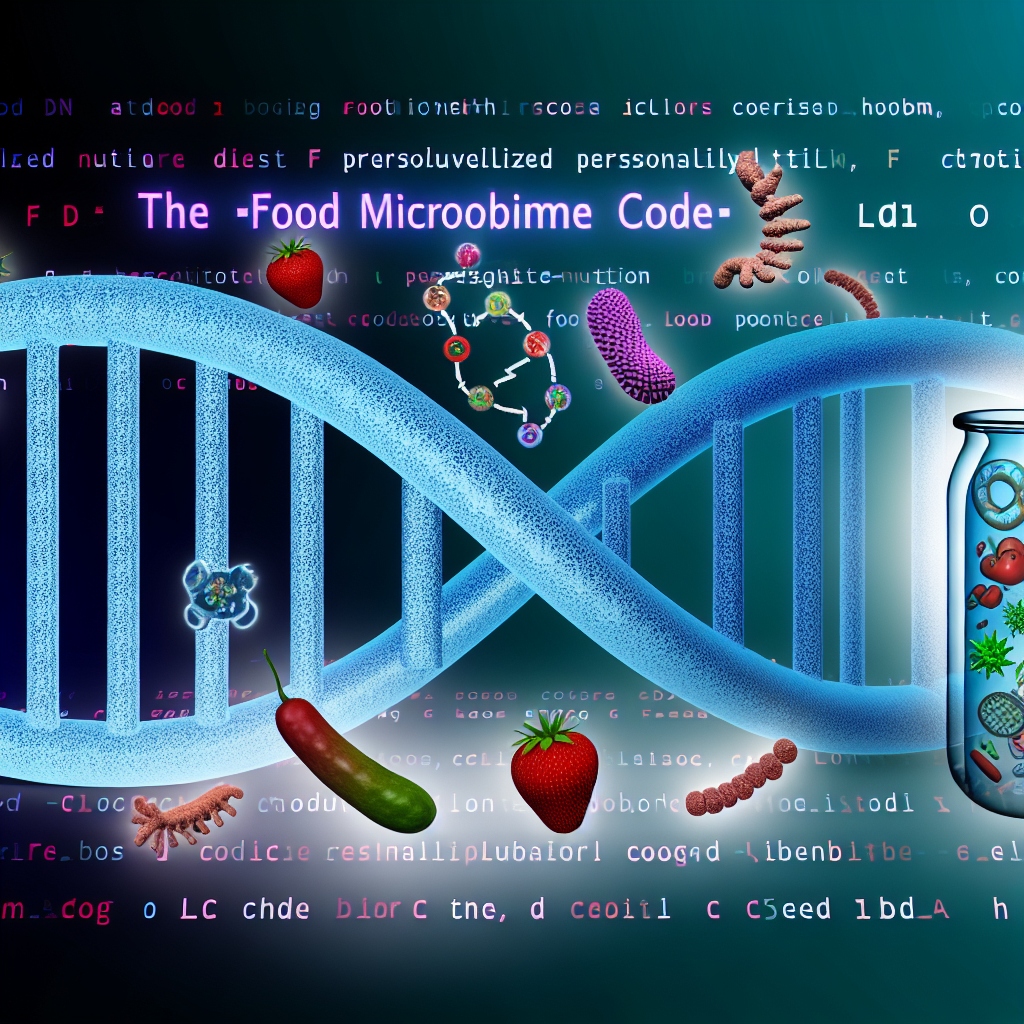
In the realm of nutrition and wellness, an exciting frontier is emerging: the intricate world of the human gut microbiome. Predominantly housing billions of microorganisms, the gut’s primary function extends far beyond digestion, influencing overall health, immune responses, and perhaps most intriguingly, your personalized nutrition needs. The food microbiome code is akin to a complex language that researchers are now beginning to decode, with gut bacteria playing a crucial role in deciphering personalized nutrition protocols.
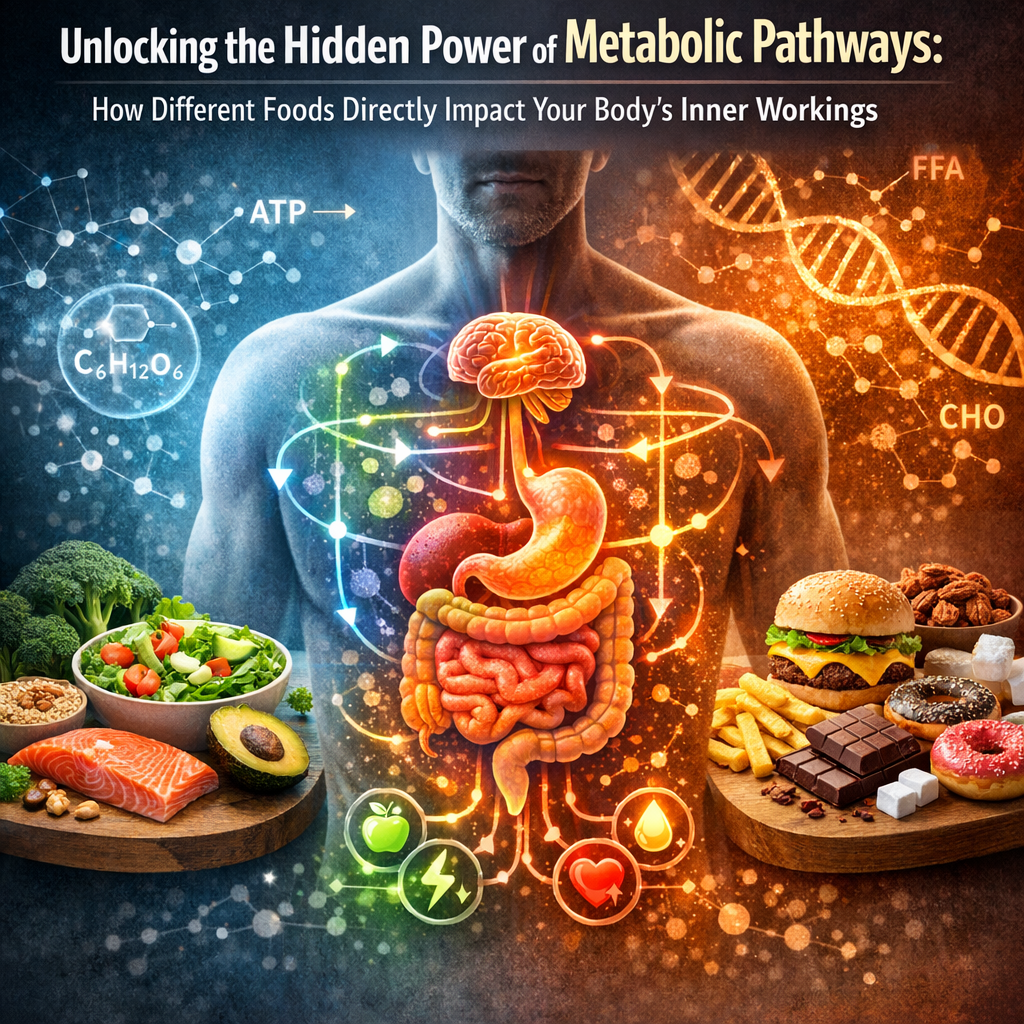
The microbiome is a collection of trillions of bacteria, fungi, and other microbes residing in our digestive tract, influencing how we digest food, absorb nutrients, and even how we think and feel. These microorganisms interact dynamically with the foods we consume, affecting the balance of beneficial and harmful bacteria in the gut. This balance is vital for maintaining a healthy immune system, enhancing metabolic processes, and optimizing overall well-being.
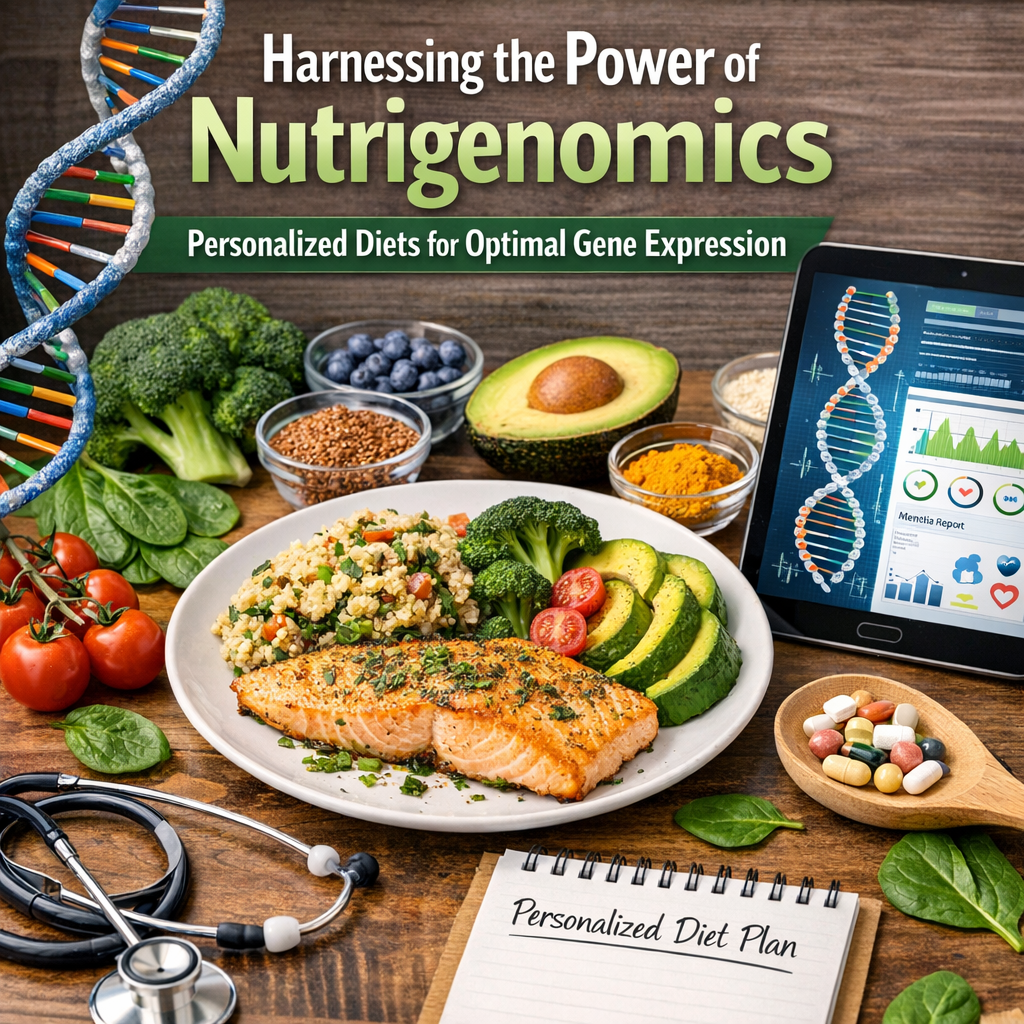
With advances in genomic sequencing and big data analytics, scientists are exploring how the gut microbiome can be tailored to individual nutrition needs. Personalized nutrition involves tailoring dietary recommendations based on genetic makeup, microbial composition, lifestyle, and metabolic health. The potential to precisely align nutrition with individual microbiomes promises a revolution in dietary habits, offering a more nuanced and effective approach to health and wellness than the one-size-fits-all dietary guidelines.
Furthermore, the understanding of how specific foods affect the gut microbiota opens up new potential for natural cures and treatments for various diseases and health conditions. By focusing on optimizing the gut flora, individuals can potentially modulate inflammation, reduce the risk of certain chronic diseases, and improve mental health. As interest in gut health grows, the emphasis on prebiotics, probiotics, and fermented foods as dietary building blocks is gaining mainstream traction.
In essence, unlocking the food microbiome code has profound implications. Not only could it transform how health professionals approach diet and nutrition, but it also offers individuals unprecedented control over their health journey. Imagine a future where your dietary choices are fully informed by the unique community of microbes residing within you. This not only enhances individual well-being but also pushes the field of nutrition science into uncharted territory.
Features
In recent years, numerous professional and medical studies have begun to unveil the importance of gut microbiota in personalized nutrition and health outcomes. One landmark study published in *Nature* by [Zeevi et al.](https://www.nature.com/articles/nature15766), involved a collaboration of Israeli researchers who examined post-meal blood sugar levels of 800 people over a week. They discovered that even identical foods could produce vastly different blood sugar responses among individuals, highlighting the role of personal microbiomes in interpreting and processing nutrients in unpredictable ways.
Another groundbreaking study from the Weizmann Institute of Science used machine learning to analyze personal metrics, including gut microbiome data. The study produced an algorithm that effectively predicted individual glycemic responses to specific foods. This advancement means that what is healthy for one person may not necessarily be healthy for another, reaffirming the need for personalized nutrition that considers microbial composition ([Segal et al., 2015](https://www.cell.com/cell/fulltext/S0092-8674(15)01481-6)).
Additionally, research published in the *Journal of Nutrition* found associations between certain bacterial strains in the gut and levels of obesity and metabolic diseases. Specifically, participants with a rich diversity of gut bacteria had a reduced risk of obesity and related diseases compared to those with less microbial diversity. Such findings suggest that dietary interventions aiming to modify the gut microbiota could serve as effective strategies for preventing metabolic syndrome ([Ley et al., 2006](https://academic.oup.com/jn/article/136/1/278/4664569)).
Moreover, the growing body of literature on probiotics and prebiotics reinforces their importance in supporting gut health. Probiotics, notably strains like *Lactobacillus* and *Bifidobacterium*, help in restoring microbial balance, while prebiotics such as inulin and oligosaccharides supply nourishing sustenance to beneficial bacteria. A meta-analysis in *Frontiers in Microbiology* affirmed their role in reducing inflammation and enhancing digestion in human subjects ([Hill et al., 2014](https://www.frontiersin.org/articles/10.3389/fmicb.2014.00504/full)).
Conclusion
The burgeoning interest in gut microbiomes signifies a pivotal shift in how we understand and pursue optimal health. As science continues to unravel the complexities of microbial interactions, the promise of personalized nutrition becomes more tangible. By decoding the food microbiome code, individuals may harness the power of their gut bacteria to enhance health outcomes and tailor nutrition protocols to meet their unique needs. This transformative approach not only elevates the individual experience of wellness but also pushes the boundaries of nutrition science into new possibilities—the reinvention of health through the lens of microbiome awareness. As we venture into this cutting-edge domain, embracing both traditional wisdom and forefront research will be key to capitalizing on the full benefits of gut-centric diets and ensuring holistic health.
Concise Summary: The human gut microbiome, home to trillions of microorganisms, significantly influences health and nutrition. Advances in genomic sequencing and data analytics are paving the way for personalized nutrition, tailored to individual microbiomes. Research highlights the gut microbiota’s role in digestion, immune function, and chronic disease risk, underscoring the potential of probiotics and prebiotics in promoting health. By decoding the food microbiome code, we can revolutionize dietary habits and optimize well-being through a personalized approach, marking a transformative shift in nutrition science.

Dominic E. is a passionate filmmaker navigating the exciting intersection of art and science. By day, he delves into the complexities of the human body as a full-time medical writer, meticulously translating intricate medical concepts into accessible and engaging narratives. By night, he explores the boundless realm of cinematic storytelling, crafting narratives that evoke emotion and challenge perspectives.
Film Student and Full-time Medical Writer for ContentVendor.com