The Nutritional Maverick: How Non-Traditional Diets are Redefining Chronic Disease Management
Introduction
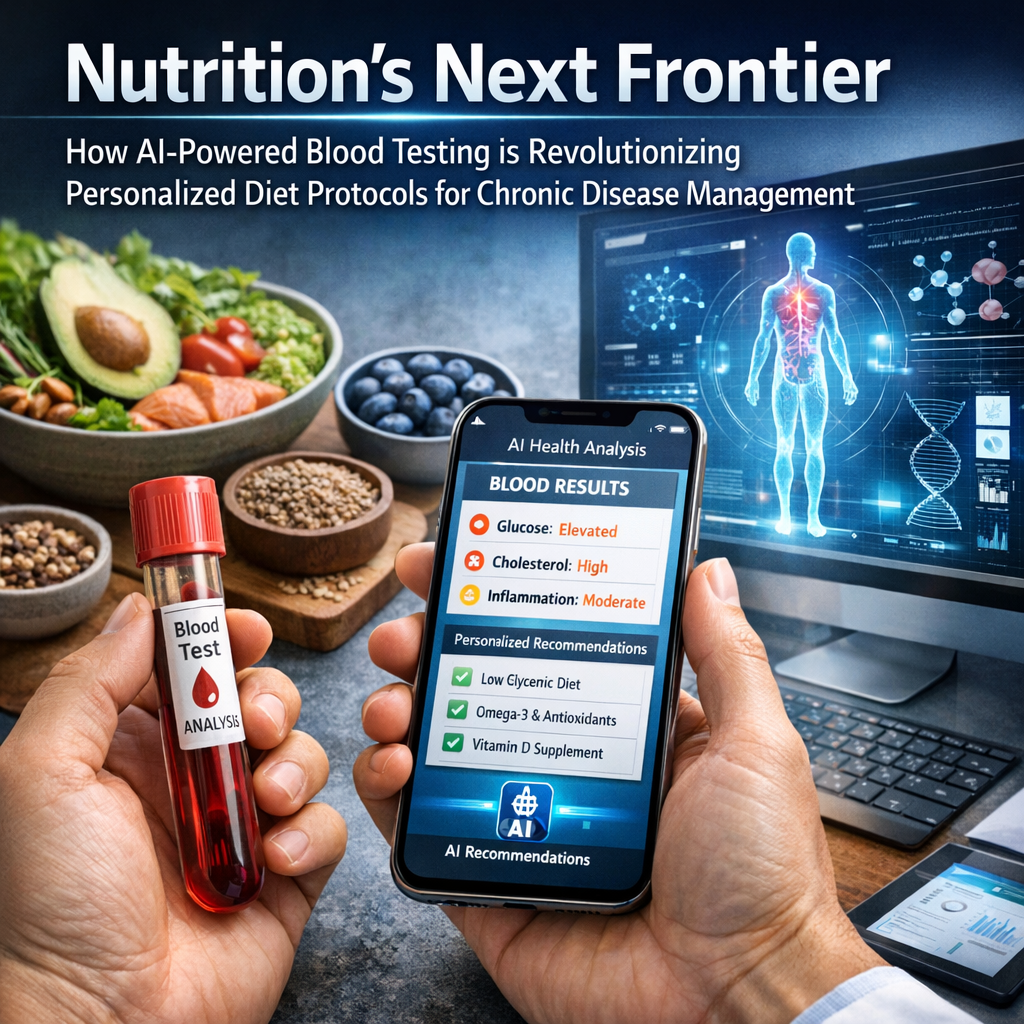
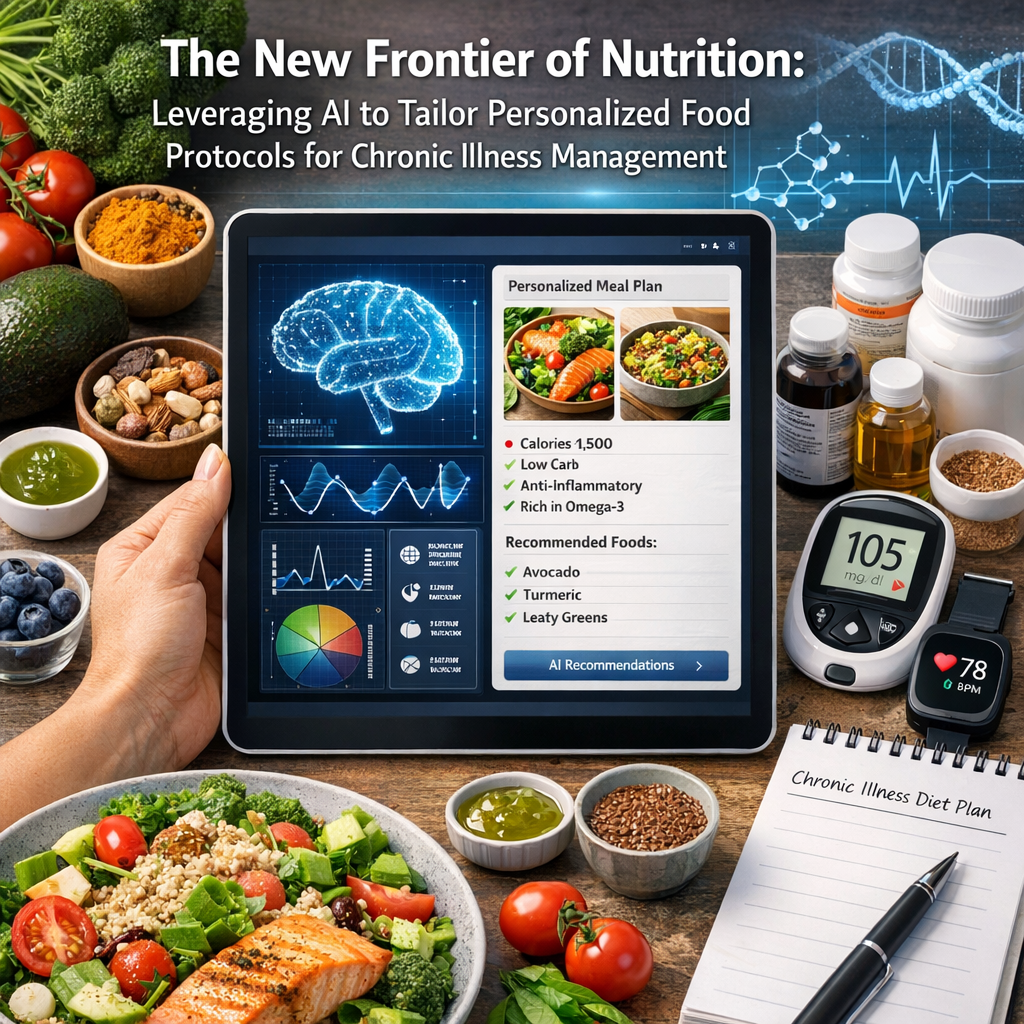
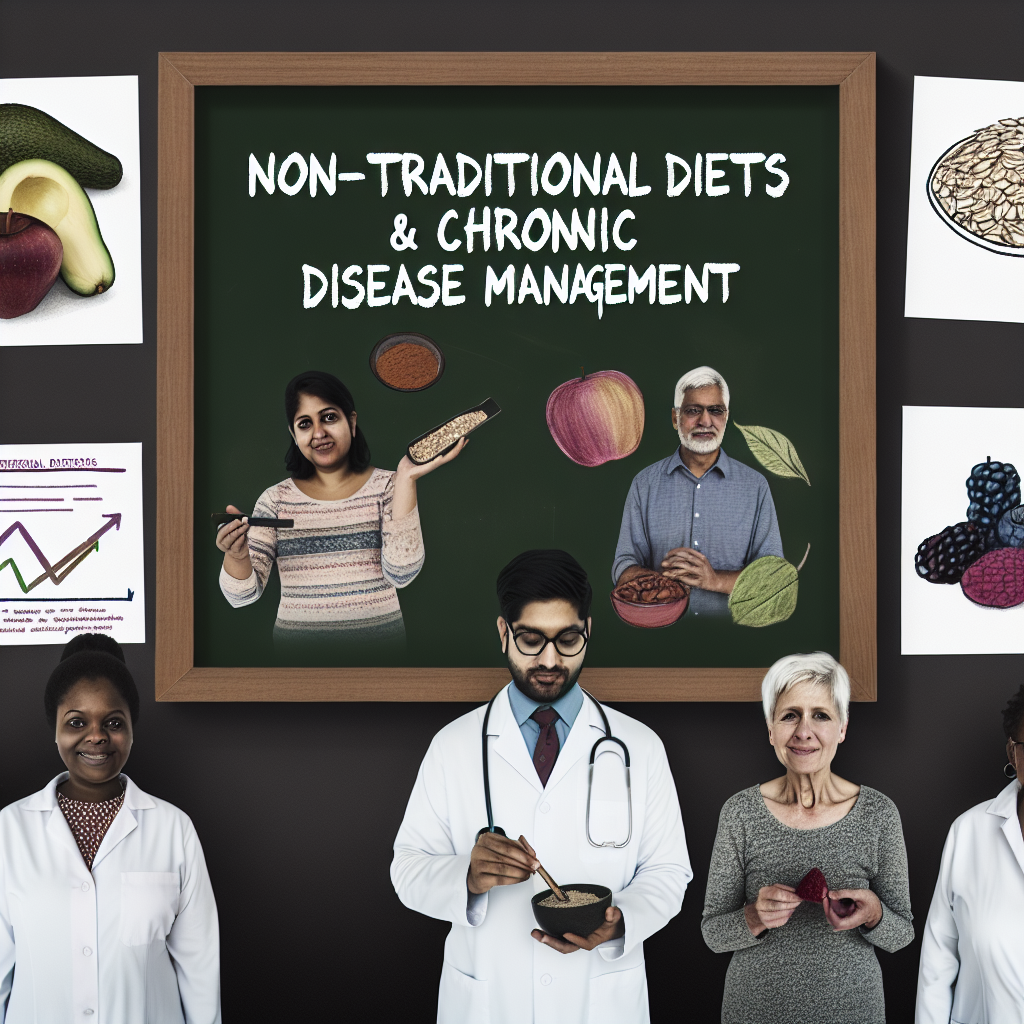
In the ever-evolving landscape of nutrition and health, non-traditional diets have emerged as a formidable force challenging the status quo of chronic disease management. While the standard Western diet, often laden with processed foods and high saturated fats, has been linked to a host of health issues, non-traditional diets offer promising alternatives. These diets focus on whole, minimally processed foods and emphasize the healing power of natural ingredients. For individuals grappling with chronic illnesses such as heart disease, diabetes, or autoimmune disorders, non-traditional diets may offer a path to improved health and well-being that conventional approaches overlook.
Take, for instance, the Ketogenic diet, which honors high fat and low carbohydrate intake. Originally devised to treat epilepsy, this diet has gained traction for its potential in managing other conditions like type 2 diabetes and obesity, mainly due to its role in stabilizing blood sugar levels and promoting weight loss. Similarly, the Mediterranean diet—rich in fruits, vegetables, whole grains, and healthy fats—has been associated with reduced risks of heart disease and improved glycemic control in diabetic patients.
Other paradigms, such as the Paleo diet, focus on aligning our consumption patterns with those of our Paleolithic ancestors, advocating for a return to whole foods, lean meats, and vegetables. Despite limited scientific evidence supporting its benefits for chronic disease management, anecdotal evidence suggests improved inflammatory markers and energy levels among adherents.
Traditional medicine and nutrition science are now at a crossroads with integrative dietary practices. Health professionals are increasingly recognizing the potential of these diets to modulate disease pathology through nutritional intervention. However, it’s essential to tailor these dietary changes to individual needs, considering genetics, lifestyle, and health goals, to maximize their efficacy. Notably, when combined with holistic practices like mindfulness and stress management, non-traditional diets could serve as a comprehensive strategy in chronic disease management. As we delve deeper into the subject, it becomes evident that the nutritional mavericks leading this dietary revolution are not just adhering to new eating patterns—they are reshaping the narrative around chronic disease and health.
Features: Professional Studies Supporting Non-Traditional Diets
The growing interest in non-traditional diets is backed by a variety of professional studies examining their effects on chronic disease. In particular, the Ketogenic diet has garnered attention for its role in managing type 2 diabetes. A study published in “Diabetes Therapy” highlighted that patients following a ketogenic diet experienced significant reductions in HbA1c levels, a marker of long-term blood glucose control. This dietary approach effectively promoted weight loss and improved insulin sensitivity, underlining its potential as a therapeutic strategy for diabetes management.
Moreover, the Mediterranean diet has been extensively researched for its cardiovascular benefits. The PREDIMED study, a landmark research project, demonstrated that adherence to a Mediterranean diet supplemented with extra-virgin olive oil or nuts led to a significant reduction in the incidence of major cardiovascular events. This suggests that the diet’s emphasis on healthy fats, polyphenols, and dietary fiber can contribute to improved heart health outcomes, particularly in individuals at high risk for cardiovascular disease.
The Autoimmune Protocol (AIP) diet represents another emerging area of interest. This elimination diet designed to reduce intestinal inflammation has shown promise for individuals with autoimmune conditions. A small-scale study published in “Inflammatory Bowel Diseases” indicated that participants following the AIP diet experienced significant improvements in disease activity and quality of life. Although larger studies are needed, these findings highlight the relevance of dietary modifications in autoimmune disease management.
It is important to acknowledge that while the evidence supporting non-traditional diets is growing, dietary changes should be customized and implemented under professional guidance. Consulting a registered dietitian or healthcare professional ensures that these interventions are appropriately aligned with individual health needs and medical conditions. As research continues to unravel the intricacies of diet and chronic disease interaction, non-traditional diets stand poised to redefine the future of healthcare and wellness.
Conclusion
Non-traditional diets have emerged as potent allies in the battle against chronic diseases, offering a paradigm shift in dietary approaches that emphasize natural, holistic nourishment over processed options. Although each dietary path—be it ketogenic, Mediterranean, or paleo—offers unique benefits, the common thread is an emphasis on whole, nutrient-dense foods tailored to individual needs. While clinical studies provide a strong foundation for their efficacy, personal dietary changes should be approached with care and professional support. As we continue to explore and validate these dietary strategies, they hold the remarkable potential to transform chronic disease management, crafting a future where food becomes a primary tool for healing and health. Equipped with knowledge and choice, individuals can tap into the power of these nutritional mavericks, not only to confront illness but to promote a vibrant, healthy life.
Concise Summary
Non-traditional diets, such as the Ketogenic, Mediterranean, and Paleo diets, challenge conventional approaches in managing chronic diseases like diabetes, heart disease, and autoimmune disorders. Emphasizing whole, minimally processed foods, these diets demonstrate potential in enhancing health outcomes. Supported by studies, such as those published in “Diabetes Therapy” and the “PREDIMED study,” these dietary strategies promise improved glycemic control and heart health. As healthcare professionals advocate tailored nutritional interventions, non-traditional diets redefine chronic disease management, offering a holistic approach to wellness through strategic dietary changes.

Dominic E. is a passionate filmmaker navigating the exciting intersection of art and science. By day, he delves into the complexities of the human body as a full-time medical writer, meticulously translating intricate medical concepts into accessible and engaging narratives. By night, he explores the boundless realm of cinematic storytelling, crafting narratives that evoke emotion and challenge perspectives.
Film Student and Full-time Medical Writer for ContentVendor.com