The Future of Food as Medicine: Predictive Nutrition Frameworks for Disease Prevention and Optimization
Introduction
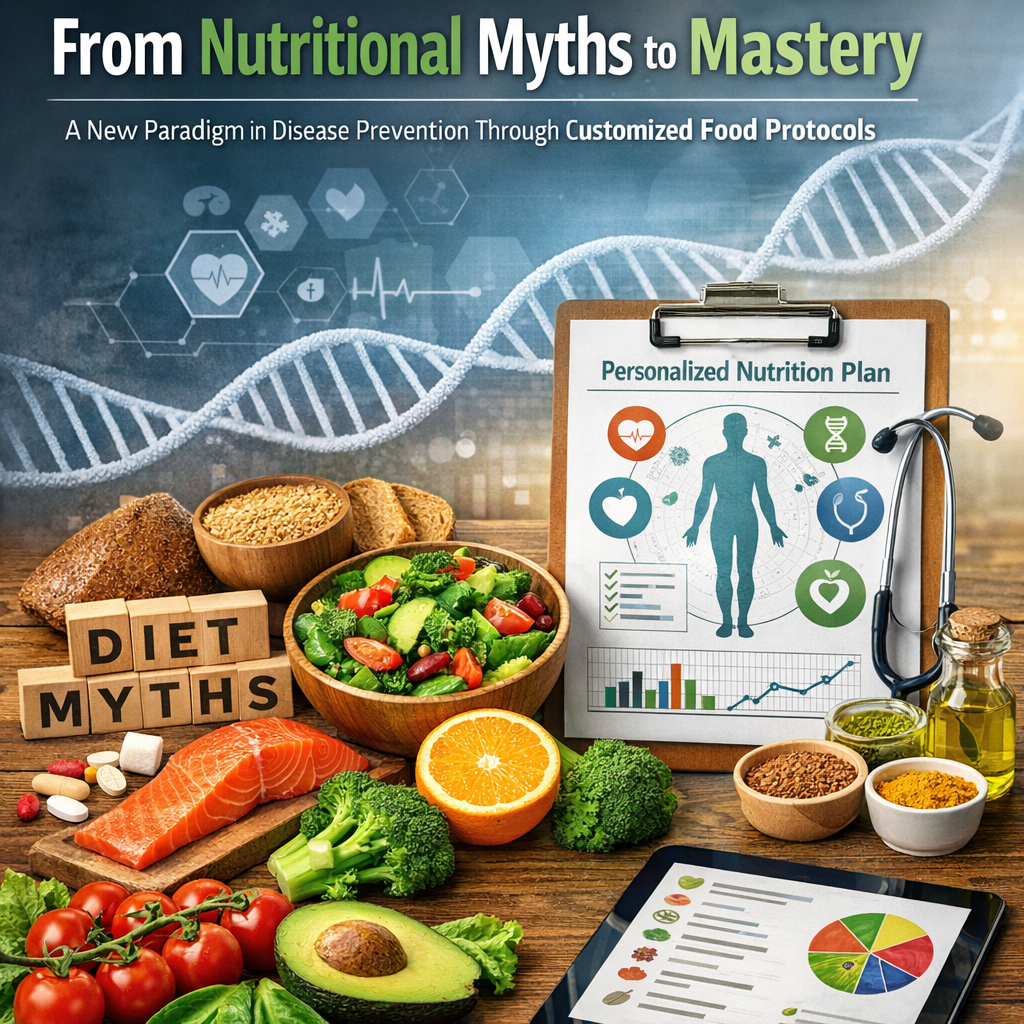
The concept of food as medicine is deeply rooted in ancient cultures, recognized for its potential in maintaining health and preventing diseases. Today, this idea has evolved into a scientific frontier, transitioning from traditional beliefs to evidence-based practices. The fusion of nutrition and predictive analytics is reshaping how we view nourishment—not just as sustenance but as a proactive tool for disease prevention and health optimization. Welcome to the era of predictive nutrition frameworks.
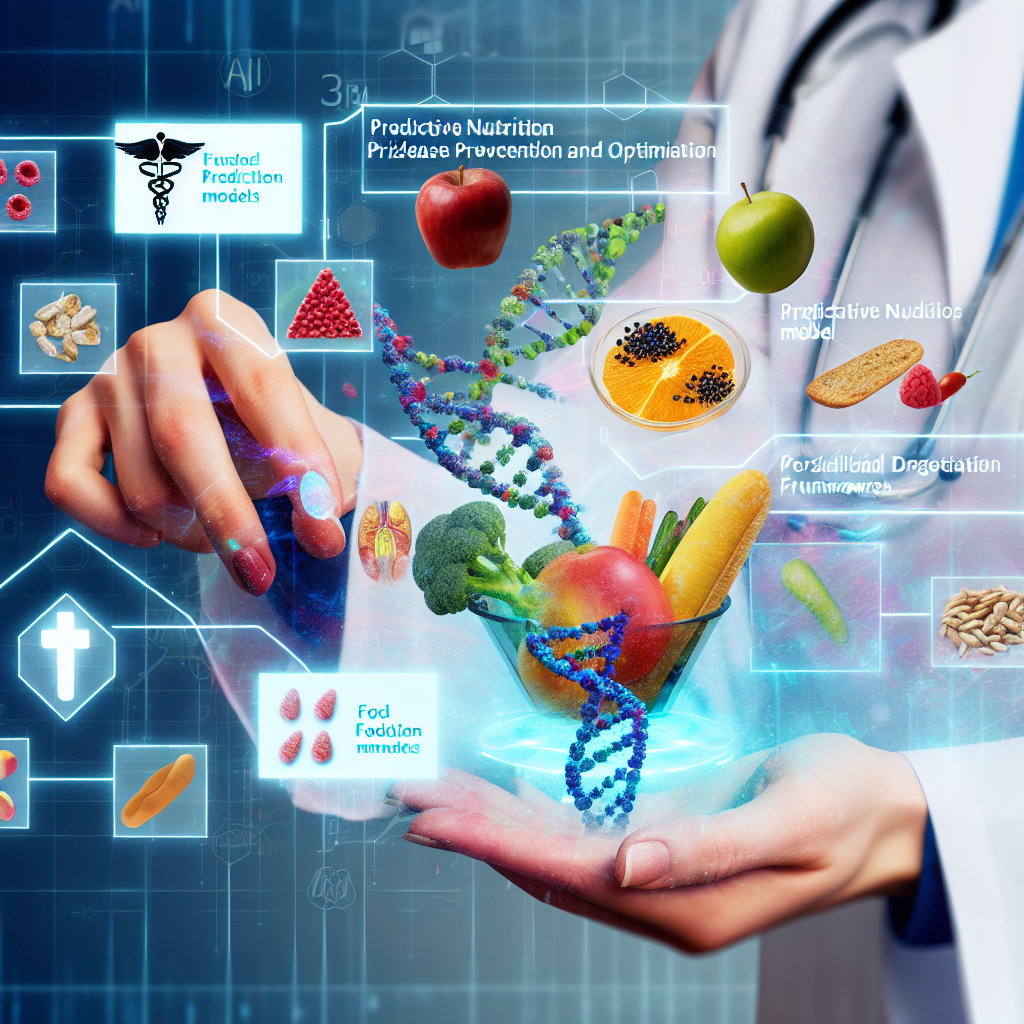
These frameworks use advanced data analytics, biogenetic information, and lifestyle evaluation to customize dietary recommendations. Central to this evolution is the emerging field of nutrigenomics, which explores the interaction between our genome and nutrition. By deciphering how our bodies interact with diverse foods at a molecular level, scientists and nutritionists are creating personalized nutrition plans to preempt chronic illnesses.
The ramifications are significant. Non-communicable diseases (NCDs) like cardiovascular disease, diabetes, and cancer account for 71% of global deaths, according to the [World Health Organization](https://www.who.int). Reducing risk factors through precise nutritional interventions presents a substantial public health opportunity. Predictive frameworks employ big data, machine learning, and artificial intelligence (AI) to process extensive information from wearables, medical records, and genetic profiles.
This analytical prowess offers an unprecedented understanding of how different foods impact individual bodies, providing a roadmap for healthier living. It identifies potential genetic susceptibilities, recognizes deficiencies, and can even predict food-based allergic reactions before they manifest. The core of predictive nutrition focuses on prevention rather than cure, ushering in a future where diet-related diseases may be significantly diminished before they emerge.
Features
Research and innovation in predictive nutrition are accelerating, with numerous studies illustrating its potential. A notable study published in the journal [Nutrients](https://www.mdpi.com/journal/nutrients) examined how personalized nutrition based on genetic data can address metabolic disorders effectively. Participants adhering to tailor-made diets based on their genetic profiles showed substantial improvements in metabolic markers, such as blood glucose levels and cholesterol, compared to those following generic dietary guidelines.
Another study in the [American Journal of Clinical Nutrition](https://academic.oup.com/ajcn) explored the role of AI in creating diet plans considering an individual’s microbiome. By analyzing gut flora, researchers can design diets that boost beneficial bacterial populations, directly impacting digestive health and immunity. This study demonstrated that personalized diets led to better nutrient absorption and reduced inflammatory responses.
Additionally, the [Predict Study](https://journals.plos.org/plosbiology/article?id=10.1371/journal.pbio.3000303), a large-scale international consortium, investigates how different foods affect individual metabolic responses. Findings show that single-nutrient interventions often lack universal applicability due to variations in individual responses, highlighting the necessity of personalized nutrition for optimal health outcomes. These studies emphasize the efficacy and need for predictive nutrition frameworks to address the complex tapestry of human health.
Conclusion
The future of food as medicine, through predictive nutrition frameworks, holds immense promise for revolutionizing healthcare. By transcending traditional dietary guidelines, these frameworks harness cutting-edge science to deliver highly individualized health solutions. As more studies emerge and technologies advance, the ability to predict and thereby prevent diet-related diseases becomes increasingly tangible.
The shift towards personalized nutrition not only suggests relief from the global health burden posed by chronic diseases but also promotes a culture of health literacy. Individuals can make informed choices based on scientific understanding. With ongoing research and development, predictive nutrition frameworks are set to transform dietetics fundamentally and reshaping preventive medicine. As we stand at the brink of this nutritional renaissance, embracing such innovations may well be the keystone in unlocking optimal health and longevity for future generations.
Concise Summary
Predictive nutrition frameworks are revolutionizing how we view food, transforming it from mere sustenance to a tool for disease prevention and health optimization. By utilizing data analytics, biogenetic information, and nutrigenomics, these frameworks create personalized diets that preempt chronic illnesses. Studies show significant health benefits, highlighting the potential to reduce the risk of non-communicable diseases. These frameworks employ AI and machine learning for tailored recommendations, offering individuals insights into their genetic susceptibilities and nutrient needs. This approach is set to reshape healthcare by emphasizing prevention, fostering health literacy, and enabling informed dietary choices based on scientific evidence.

Dominic E. is a passionate filmmaker navigating the exciting intersection of art and science. By day, he delves into the complexities of the human body as a full-time medical writer, meticulously translating intricate medical concepts into accessible and engaging narratives. By night, he explores the boundless realm of cinematic storytelling, crafting narratives that evoke emotion and challenge perspectives.
Film Student and Full-time Medical Writer for ContentVendor.com