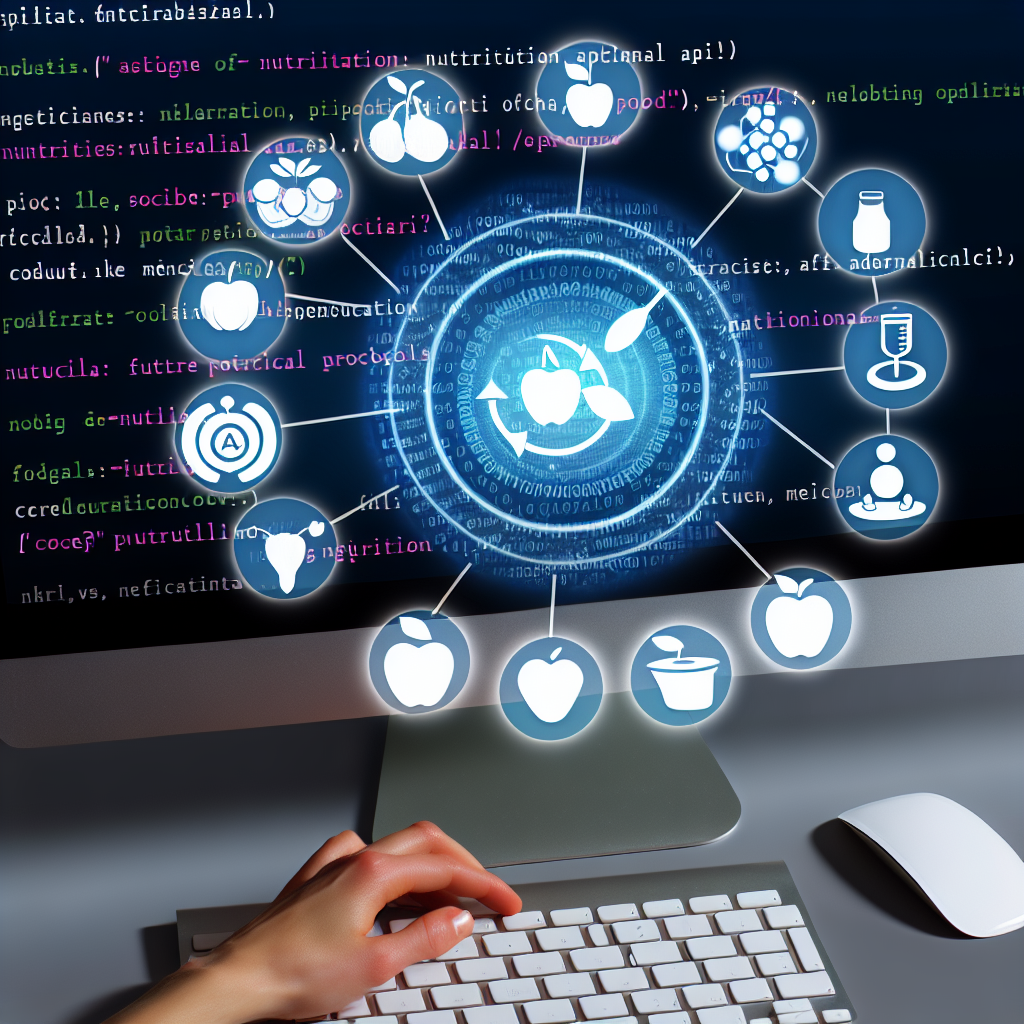
The Rise of Nutritional APIs: Can Food Protocols Be Coded Like Medicine?
In recent years, the global interest in natural cures, homeopathic, and herbal treatments has grown significantly, as more consumers seek alternative solutions to their health concerns. At the intersection of technology and nutrition, a revolutionary concept is emerging: nutritional APIs. These innovative frameworks have the potential to transform how we understand and implement dietary interventions. But can food protocols truly be coded like medicine?
As an increasing number of people become conscious of the role that nutrition plays in their overall well-being, the demand for personalized dietary solutions is on the rise. Traditionally, nutritional advice has been delivered in broad, generalized terms. However, modern research emphasizes the importance of personalization in dietary planning. Just as medicine has embraced precision through genetic profiling and targeted therapies, nutrition is on the cusp of a similar transformation.
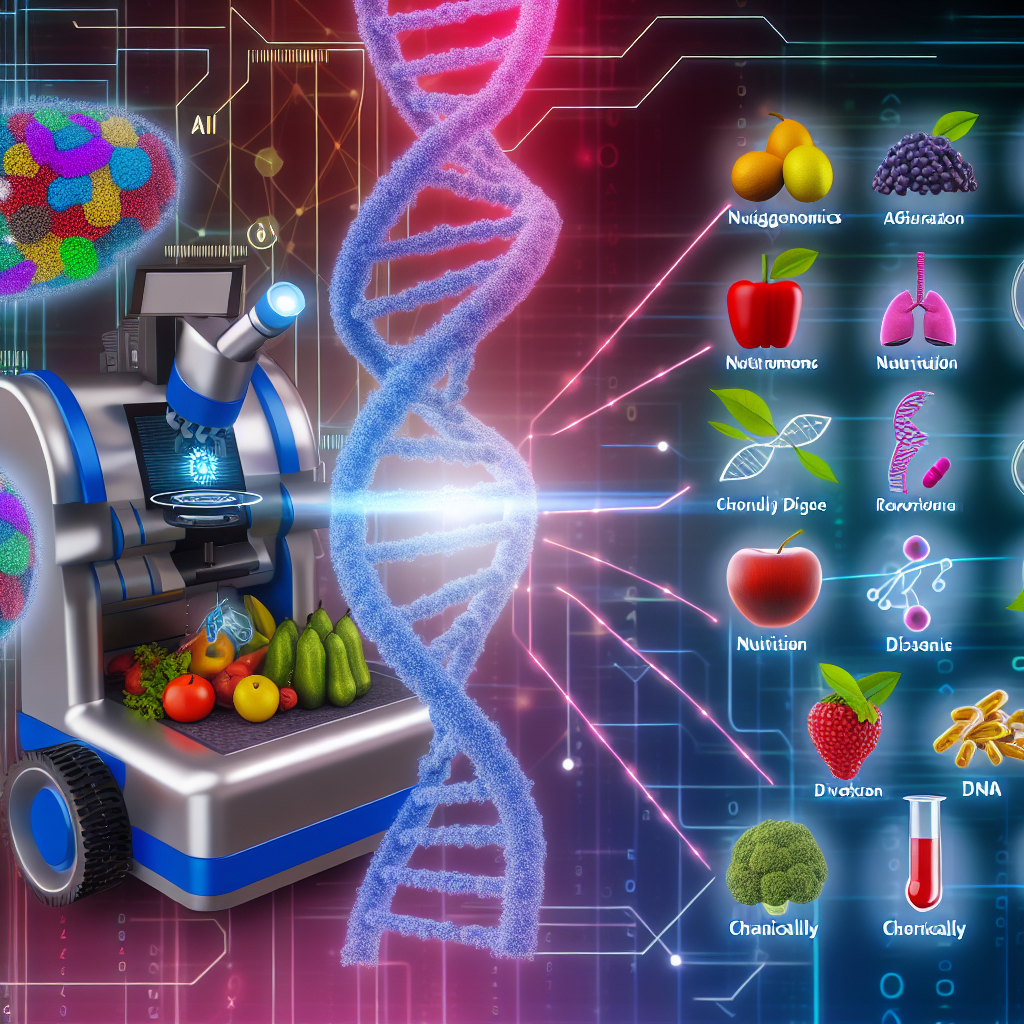
Nutritional APIs offer an exciting avenue for this progression. Much like how application programming interfaces (APIs) revolutionized the software industry by enabling different programs to communicate and work together seamlessly, nutritional APIs have the potential to do the same for diet and health. These are standardized protocols that can integrate vast data sets on food composition, genetic information, and health biomarkers to develop personalized dietary recommendations.
Imagine a world where your wearable fitness tracker syncs with your digital health records to offer bespoke meal plans or dietary supplements that optimize your unique physiological needs. While this idea may seem futuristic, developers and nutritionists are already harnessing the power of nutritional APIs to create web and mobile applications that fine-tune diet plans in real-time. These systems take into account a person’s age, activity level, chronic health conditions, and even genetic predispositions.
The promise of nutritional APIs lies in their ability to convert complex scientific data into actionable insights for consumers. For instance, food protocols can be customized to manage chronic diseases like diabetes or hypertension, mitigate allergy risks, or improve mental health. This marks a shift from traditional, reactive health measures to proactive, preventative strategies.
Features: Emerging Studies and Technological Advancements
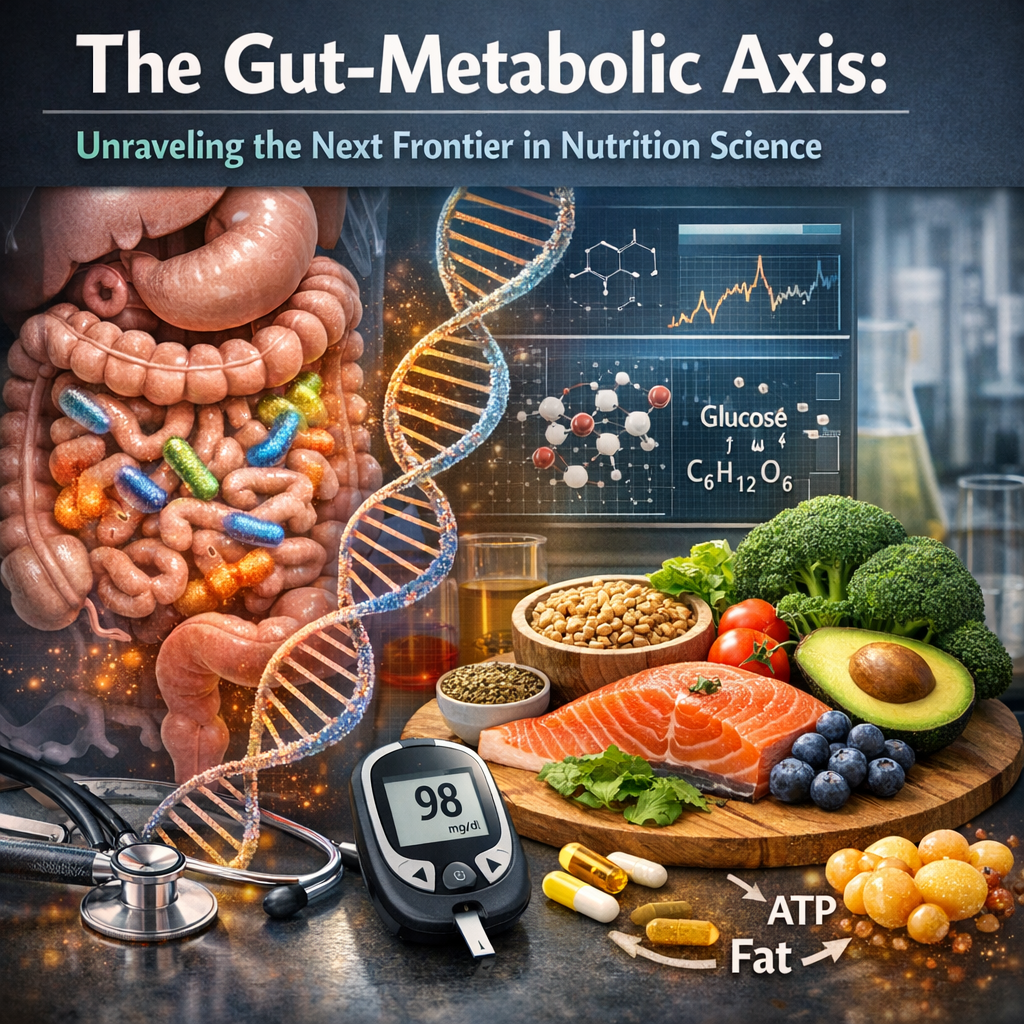
Numerous professional and medical studies underline the potential impact of technological integration in nutrition. A pivotal study published in Nature Medicine explored the effects of personalized nutrition on health outcomes. The researchers found that tailored dietary advice based on individual genetic, microbiome, and blood composition data led to improved metabolic responses compared to generic dietary recommendations. This study serves as a testament to how nutritional APIs could provide a granular level of customization that general guidelines fail to achieve.
Additionally, a review in the Journal of Personalized Medicine highlights how integrating digital health records with dietary databases can vastly improve health outcomes through precision nutrition. This integration promises to streamline how clinicians and nutritionists develop and monitor personalized dietary interventions by enabling APIs to access comprehensive databases of food composition and nutritional functionalities.
Several start-ups are leading the charge in this transformative space. Companies like Nutrients.io are developing APIs that parse health data to recommend specific nutrient intakes. They are leveraging open-source data and AI algorithms to deliver scientifically backed nutritional insights that align with each user’s health objectives. This approach draws a parallel to pharmacogenomics, where medications are tailored based on a patient’s genetic information, thereby optimizing treatment efficacy and minimizing adverse effects.
These advancements present new opportunities and challenges. As nutritional APIs gain traction, a critical aspect will be ensuring data privacy and security, a concern echoed in every digital health innovation. Additionally, there may be a learning curve for healthcare practitioners who need to integrate these digital tools into conventional practice without overwhelming their existing workload.
Conclusion: The Future of Nutrition and Health Care
The emergence of nutritional APIs heralds a transformative era where food and technology converge to promote healthier lifestyles. By applying principles similar to those used in medicine, nutritional APIs aim to deliver precision, efficiency, and personalization in dietary protocols. This notion paves the way for proactive health care where nutrition becomes a central component of personal and public health strategies.
While the potential is immense, realizing this vision requires ongoing collaboration between technologists, nutritionists, and policymakers to overcome existing barriers and ensure equitable access to these digital innovations. As we tread this path, it’s crucial to maintain a fine balance between leveraging cutting-edge technology and preserving the fundamental principles of human-centered nutrition.
In conclusion, as the world becomes more interconnected and information-driven, the evolution of nutritional APIs could signify a monumental shift in how society approaches health and wellness. By coding food protocols much like medicine, we may soon enter an era where personalization becomes the norm, ultimately enhancing the quality of life for individuals around the globe.
Concise Summary: Nutritional APIs are emerging at the intersection of technology and nutrition, aiming to revolutionize dietary protocols with precision akin to medicine. These APIs can integrate diverse data sets, offering personalized dietary recommendations to improve health outcomes and manage chronic conditions. As the potential of nutritional APIs is vast, it requires balancing cutting-edge technology with human-centered nutrition principles, collaboration among technologists, nutritionists, and policymakers, and addressing data privacy concerns to fully realize their promise.

Dominic E. is a passionate filmmaker navigating the exciting intersection of art and science. By day, he delves into the complexities of the human body as a full-time medical writer, meticulously translating intricate medical concepts into accessible and engaging narratives. By night, he explores the boundless realm of cinematic storytelling, crafting narratives that evoke emotion and challenge perspectives.
Film Student and Full-time Medical Writer for ContentVendor.com