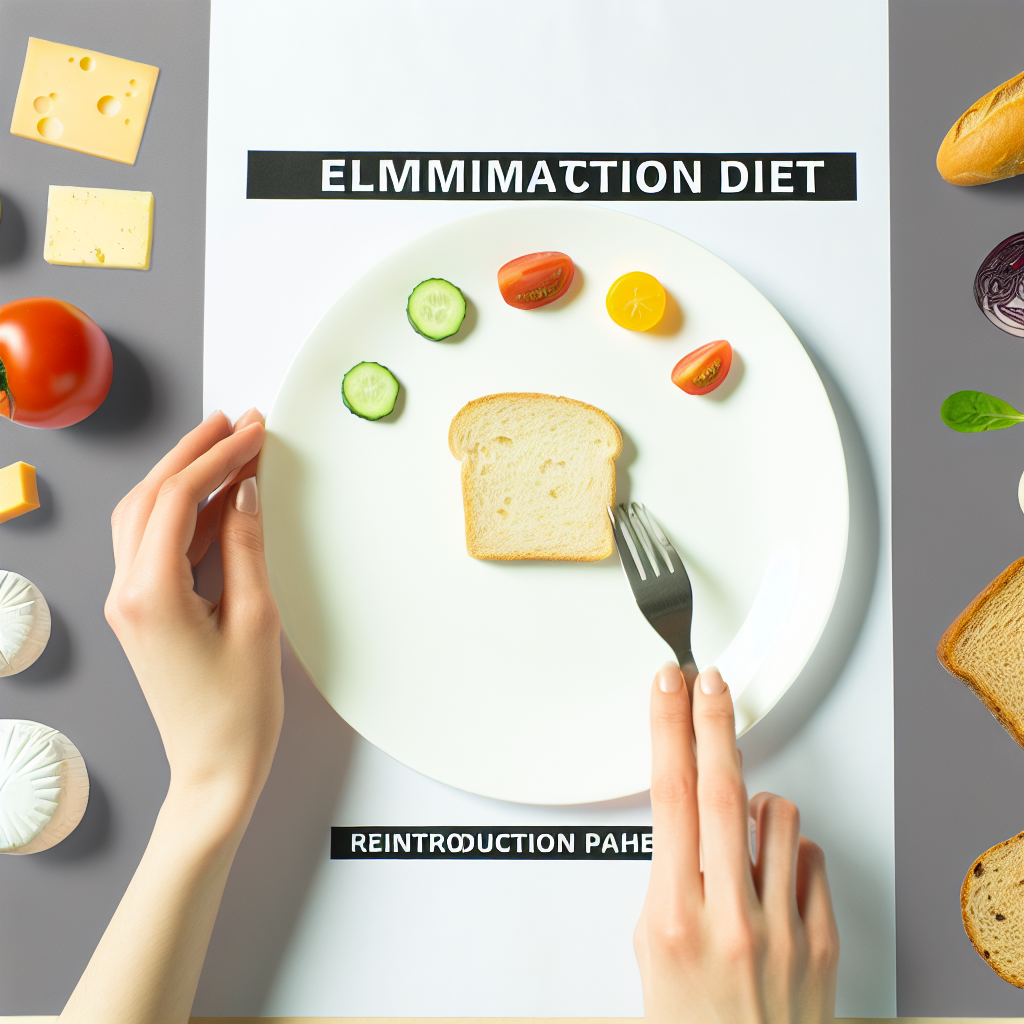
Elimination Diet Reintroduction Phase Guide
Introduction:
The elimination diet is a methodical approach to identifying specific food sensitivities, intolerances, or allergies by removing certain food groups and gradually reintroducing them. This diet is popular among individuals seeking natural remedies for digestive issues, chronic headaches, skin conditions, and other unexplained symptoms linked to diet. While the elimination phase can feel restrictive, it lays the foundation for restoring health and well-being.
The reintroduction phase is crucial, allowing for the gradual reincorporation of eliminated foods one at a time to observe body reactions and pinpoint triggers. This phase is akin to a personal experiment, revealing bodily preferences and intolerances. Conducted meticulously, it provides insightful revelations guiding future dietary choices for optimized health.
Before embarking on an elimination diet, it’s essential to prepare for the commitment, as the regimen demands discipline and patience. The reintroduction phase requires careful attention and note-taking to track both immediate and delayed reactions, including digestive distress, energy fluctuation, mood changes, or skin reactions. Your reactions form a pattern, clarifying which foods nourish you or act as irritants.
The elimination diet, particularly the reintroduction phase, is more than a health regimen—it’s an educational tool. Individuals gain keen awareness and control over their health, understanding food’s profound impact on physical and mental wellness. The goal is a sustainable, balanced diet tailored to your body’s unique needs, cultivating long-term health benefits.
Features:
Medical professionals and nutritionists advise that an elimination diet, especially the reintroduction phase, requires a structured approach backed by scientific evidence. Various studies have shown its success for conditions like irritable bowel syndrome (IBS), eczema, and other inflammatory responses.
An influential study from the Journal of the Academy of Nutrition and Dietetics highlights the elimination diet’s usefulness for IBS patients. It found that identifying individual food triggers can significantly alleviate symptoms and improve quality of life. A review from the [Nutrients Journal](https://www.mdpi.com/2072-6643/10/9/1304) confirms that individualized elimination diets effectively manage adverse food reactions, addressing both physical and emotional well-being.
Furthermore, a study from the Journal of Allergy and Clinical Immunology found elimination diets instrumental for individuals with food allergies. Systematic reintroduction helps safely identify and manage allergic reactions, reducing severe allergic events risk.
Under the guidance of healthcare professionals like dietitians, individuals can ensure nutritional adequacy and safety through the elimination diet. Challenges in maintaining balanced nutrition highlight the need for expert oversight during reintroduction to avoid symptom resurgence. Keeping a symptom diary—recording food and reactions—offers a reliable data set, providing clarity in this journey.
Scientific and professional support have reinforced the elimination diet as a practical intervention, increasing prominence in holistic health strategies. As appreciation for individualized nutrition grows, elimination and reintroduction remain powerful tools for optimal health through natural, evidence-based methods.
Conclusion:
Embarking on an elimination diet and navigating the reintroduction phase offers a personalized understanding of how specific foods impact unique physiology. By identifying and avoiding foods triggering adverse reactions, one can foster improved well-being and health. Dedicated observation and patience allow the reintroduction phase to unveil dietary sensitivities, enhancing one’s quality of life through natural symptom alleviation.
However, ensure the elimination diet suits your lifestyle and is monitored by healthcare professionals to guarantee nutritional completeness throughout. Ultimately, the reintroduction phase is more than dietary tests; it’s a journey of self-awareness, empowering you to fuel your body with foods that support optimal functioning and health.
Summary:
An elimination diet is a method to identify food sensitivities by removing and gradually reintroducing foods. It’s popular for addressing digestive issues, headaches, and skin conditions. The reintroduction phase is crucial for pinpointing triggers. Conducted meticulously, it helps guide future dietary choices. It’s important to prepare for the discipline and patience required. Studies highlight its benefits, especially for IBS and allergies. A structured, scientific-backed approach with professional guidance ensures safety and effectiveness. The process fosters awareness of food impacts, promoting a personalized diet for long-term health.

Dominic E. is a passionate filmmaker navigating the exciting intersection of art and science. By day, he delves into the complexities of the human body as a full-time medical writer, meticulously translating intricate medical concepts into accessible and engaging narratives. By night, he explores the boundless realm of cinematic storytelling, crafting narratives that evoke emotion and challenge perspectives.
Film Student and Full-time Medical Writer for ContentVendor.com