Food Combining Rules for Digestive Efficiency
Introduction
In today’s wellness-driven world, the push towards optimizing digestive health naturally has never been stronger. While people increasingly turn to plant-based remedies, herbal tinctures, and homeopathic treatments, one ancient yet overlooked strategy—food combining—is making a dramatic comeback. Rooted in principles as old as Ayurveda and refined by 20th-century natural hygienists, food combining focuses on consuming foods in compatible groupings that aid, rather than hinder, digestion.
The modern diet often includes heavily processed meals and rushed eating routines, leading to gas, bloating, and low energy. For those seeking natural solutions to digestive issues, food combining provides a foundational reset—a return to one of the most intuitive healing habits: how we eat.
The body’s digestive system relies on enzymes, gastric juices, and specific pH conditions. Proteins require acidic environments, while carbohydrates prefer more alkaline settings. When incompatible foods are consumed together, it may result in fermentation, upset digestion, and nutrient malabsorption.
Practicing food combining minimizes these issues, streamlining digestion and allowing the body to work more efficiently. Many who follow these principles report improvements such as reduced bloating, increased energy, better nutrient absorption, and even clearer skin. It’s especially beneficial for those with digestive conditions like IBS, acid reflux, or irregular bowel function.
As more people embrace plant-based diets and holistic wellness practices, food combining aligns naturally with this trend. Importantly, it doesn’t focus on restriction or calorie counting but instead on pairing foods based on their digestive compatibility. Ahead, we explore the guiding rules and scientific rationale behind food combining.
Scientific Foundations and Professional Studies
Although rooted in holistic traditions, food combining is gradually gaining attention in modern medical research related to digestion, microbiome health, and meal timing. Direct clinical studies on food combining are limited, but key principles are bolstered through gastrointestinal physiology and microbiota science.
Researchers at the
National Institute of Diabetes and Digestive and Kidney Diseases (NIDDK) emphasize that proteins are digested in the stomach with pepsin and hydrochloric acid, while carbohydrates begin in the mouth with salivary amylase and are completed in the small intestine under alkaline conditions. When foods like meat (protein) and potatoes (starch) are eaten together, they may compete chemically, potentially resulting in fermentation and poor digestion.
A study in the
Journal of Clinical Gastroenterology supported this idea, noting that incomplete carbohydrate digestion can increase fermentation by gut bacteria, contributing to bloating, gas, and intestinal irritation.
Meanwhile, research published in the journal
Nutrients (2020 meta-analysis) found that individuals who practiced mindful eating, proper meal timing, and strategic food combinations experienced improved glycemic control, better gut diversity, and reduced inflammation—markers of healthy digestion.
Prominent functional medicine specialists like
Dr. Josh Axe and Dr. Mark Hyman also promote food combining for gut health. Dr. Axe advises eating fruit alone, particularly melons, to prevent stomach fermentation and enhance vitamin and mineral absorption.
Additionally, research from the
Human Microbiome Project reveals that different bacterial strains thrive on various foods. An incompatible mix (protein + starch + fat) may disrupt microbial balance, which can have wide-ranging impacts on the immune and digestive systems.
These studies confirm that aligning food intake with human digestive biology—like keeping food groups separate or eating in timed intervals—creates more efficient nutrient breakdown and absorption.
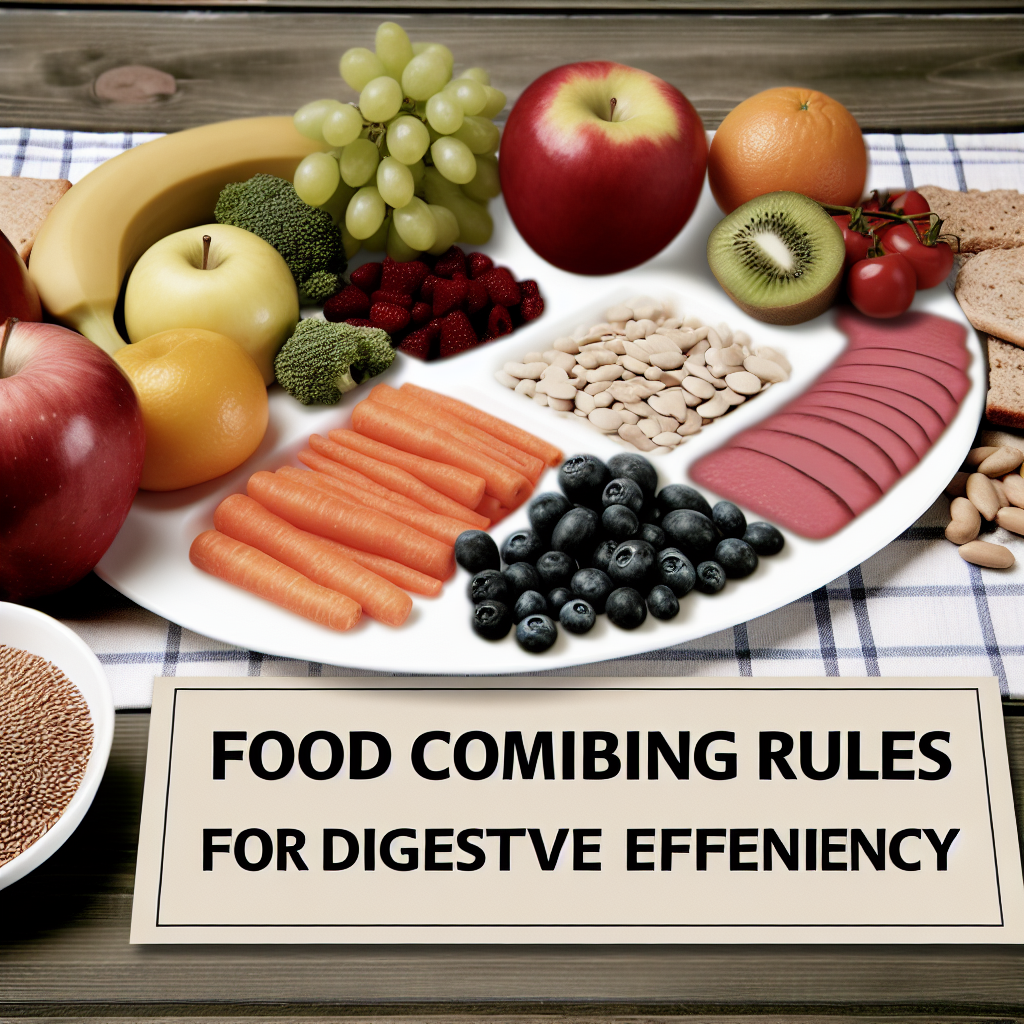
Key Food Combining Rules for Optimal Digestion
1. Fruit Alone or Leave It Alone: Fruits digest quickly and ferment if stuck in the digestive queue behind slower foods. Always consume fruits, especially melons, on an empty stomach or between meals for maximum absorption and minimal fermentation.
2. Avoid Protein and Starch Together: Meals like steak and mashed potatoes are notorious offenders. Proteins require an acidic environment, while starches need alkaline conditions. When consumed together, they can neutralize each other’s digestive enzymes, creating gas and slow digestion. Instead, eat proteins with leafy or non-starchy vegetables.
3. Don’t Mix Fats With Proteins: Eating heavy fats (cream, butter, oils) with proteins like meat or eggs can slow digestion by inhibiting stomach acid production. Opt for combining fats with easily digestible plant foods like vegetables or whole grains for improved uptake.
4. Starches and Vegetables Pair Well: Feel free to pair grains like quinoa, potatoes, or rice with greens and non-starchy vegetables such as zucchini, celery, or broccoli. These combinations are generally well-tolerated and promote smoother digestion.
5. Dairy Should Stand Alone: Many adults have lactose intolerance or difficulty digesting dairy. Milk especially may interfere with the digestion of other foods. It’s best consumed alone or omitted entirely from the diet for those with sensitivities.
6. Wait Between Meals for Digestion: Give your body 3–4 hours between mixed meals to fully digest food. This prevents overlapping digestion processes, which can contribute to fermentation, bloating, and fatigue.
Conclusion
For those pursuing natural digestive remedies, better health, or increased energy, food combining offers a gentle, logic-based approach. It’s rooted in nutritional science yet respectful of traditional healing systems like Ayurveda and naturopathy. And unlike many restrictive diets, food combining encourages freedom through smart food pairing rather than restriction.
When integrated with other wellness practices—like intermittent fasting, herbal detox protocols, or gut-healing supplements—the principles of food combining can reinforce and amplify positive results. Taken seriously, this method reestablishes a deeper connection between how and what we eat.
Ultimately, health isn’t just about the foods we choose, but how we digest, absorb, and eliminate them. Embracing mindful and strategic eating through food combining is a powerful step toward achieving digestive balance and whole-body wellness.
References
1. National Institute of Diabetes and Digestive and Kidney Diseases – The Digestive System
2. Journal of Clinical Gastroenterology – Microbial fermentation and carbohydrate digestion
3. Nutrients – Time-Restricted Eating and Metabolic Impact
4. Dr. Josh Axe – Food Combining Basics
5. Human Microbiome Project – Gut Microbe & Diet Interactions
Visit Foodade.com for more expert guidance on natural health, home remedies, and optimal digestion strategies.
Concise Summary
Food combining is an intuitive eating strategy that aligns food pairings with human digestive chemistry, enhancing efficiency and minimizing discomfort. Rooted in natural healing traditions and supported by modern digestive science, the practice calls for separating incompatible food groups—such as protein and starch—to reduce fermentation, gas, and sluggish digestion. Backed by evidence from gastrointestinal studies and microbiome research, this approach improves nutrient absorption, energy, skin clarity, and gut balance. Food combining pairs well with holistic practices like intermittent fasting or mindful eating, making it an accessible way to elevate digestive wellness without calorie counting or deprivation.

Dominic E. is a passionate filmmaker navigating the exciting intersection of art and science. By day, he delves into the complexities of the human body as a full-time medical writer, meticulously translating intricate medical concepts into accessible and engaging narratives. By night, he explores the boundless realm of cinematic storytelling, crafting narratives that evoke emotion and challenge perspectives.
Film Student and Full-time Medical Writer for ContentVendor.com