Low-Oxalate Diet for Kidney Stone Prevention
Introduction
Kidney stones are a painful and common health issue, impacting approximately one in ten people over their lifetime. More frequently affecting men, kidney stones form when minerals and salts in the urine crystallize into hard deposits. Among the various types of stones, calcium oxalate stones account for nearly 80% of cases. While calcium is an essential nutrient, oxalates—naturally present in many foods—can bind with calcium in the kidneys, forming stones.
A low-oxalate diet focuses on reducing dietary oxalate intake without completely eliminating oxalate-containing foods. This prevention strategy is increasingly recommended as part of a natural approach to kidney health.
While not a standalone fix, limiting high-oxalate foods, enhancing hydration, increasing dietary calcium from food (not supplements), and incorporating herbal and homeopathic remedies can help manage kidney stone recurrence. Common foods that are high in oxalate include spinach, rhubarb, nuts, and certain legumes. Conversely, most fruits, grains, dairy, and meats are typically low in oxalate and are encouraged.
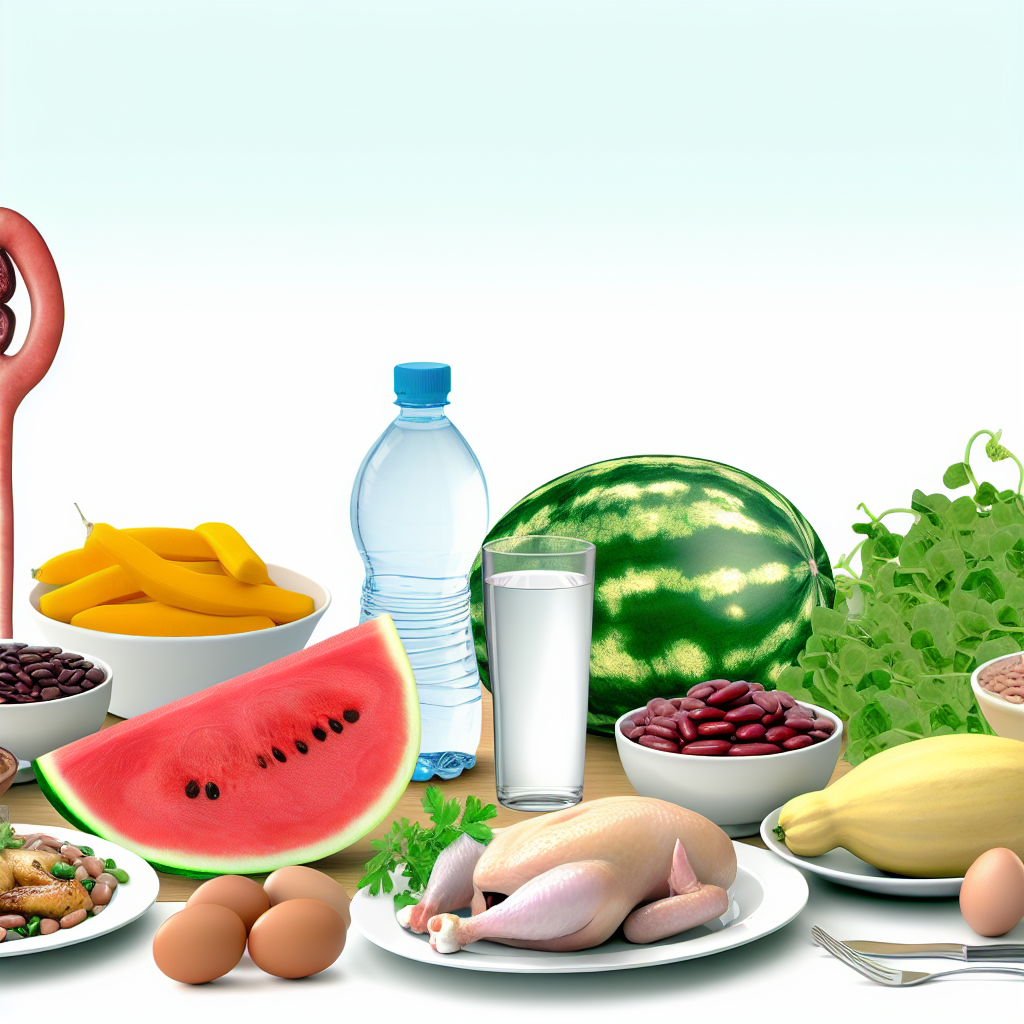
Proper hydration plays a key role. Drinking sufficient water dilutes the concentration of minerals in urine, thereby reducing the risk of their crystallization.
Holistic practices, such as the use of herbal remedies and homeopathy for kidney support, are gaining popularity as part of an overall wellness strategy. This approach aligns with the broader trend toward natural and preventive healthcare.
Medical Evidence and Dietary Strategy
Scientific research underpins the value of the low-oxalate diet in managing calcium oxalate kidney stones. A study published by the Clinical Journal of the American Society of Nephrology links high dietary oxalate intake to elevated urinary oxalate levels—significantly increasing the risk of stone formation. In contrast, participants adhering to a low-oxalate diet showed a reduction in stone recurrence.
Additional research from the University of Wisconsin Department of Urology reveals that diets rich in calcium yet low in oxalate can help prevent stones. When calcium is consumed with oxalate-containing foods, it binds in the gut, preventing oxalate from reaching the kidneys. This process has been shown to substantially reduce the availability of oxalates for stone formation.
Experts, including those from the National Kidney Foundation, recommend getting 800–1,200 mg of calcium daily from food. This is because calcium from food binds more effectively with oxalate compared to calcium supplements, which may increase the stone risk when taken without food.
In addition, studies suggest reducing intake of sodium and animal protein can lower stone risk. High sodium intake increases calcium in urine, while excess protein increases uric acid and lowers citrate levels—both contributors to stone formation.
Herbal and Homeopathic Support
Herbal remedies often serve as complementary strategies for kidney stone prevention. One promising plant-based treatment is chanca piedra, also known as the “stone breaker.” Common in traditional Ayurvedic and South American medicine, chanca piedra has shown potential in dissolving kidney stones and preventing new ones from forming. A study published in the Journal of Urology indicates that chanca piedra may reduce urinary oxalate and uric acid levels, enhancing the benefits of dietary changes.
Homeopathic treatments are also utilized in integrative medicine circles. Remedies such as Berberis vulgaris and Lycopodium clavatum are believed to support renal function and alleviate kidney stone discomfort. While anecdotal evidence is favorable and widely used in natural medicine, more peer-reviewed clinical research is necessary to validate these therapies.
Practical Guidelines for a Low-Oxalate Diet
Implementing a low-oxalate diet requires informed choices and consistency. Here are some practical tips:
– Identify high-oxalate foods and reduce their intake. Common examples include spinach, beets, almonds, cashews, sweet potatoes, and wheat bran.
– Substitute these with low-oxalate alternatives like apples, cucumbers, white rice, cauliflower, dairy, and lean proteins.
– Maintain a daily calcium intake through food sources such as yogurt, cheese, milk, and leafy greens not high in oxalate.
– Drink at least 2 to 3 liters of water daily to keep urine diluted.
– Avoid vitamin C megadoses, as excess vitamin C can be metabolized into oxalate.
– Consider working with a dietitian who specializes in nephrology to tailor your diet effectively.
– Regularly monitor urinary oxalate levels with your healthcare provider to adapt your dietary approach.
Conclusion
Adopting a low-oxalate diet is a promising, natural method to reduce the recurrence of calcium oxalate kidney stones. Supported by scientific research and kidney health experts, this approach centers around moderating oxalate intake, enhancing hydration, and promoting calcium-rich meals from whole food sources.
When paired with targeted herbal supplements like chanca piedra and potentially helpful homeopathic remedies, individuals may achieve holistic protection against stones. While not a replacement for medical care, a low-oxalate regimen offers a sustainable strategy for prevention. Always consult healthcare professionals before starting new diets or supplement plans, especially for those with underlying kidney conditions.
This shift towards natural prevention reflects a broader movement in healthcare—empowering individuals to take control of their well-being through informed choices.
Concise Summary
A low-oxalate diet is a science-supported, natural way to prevent painful calcium oxalate kidney stones. By avoiding high-oxalate foods like spinach and nuts and eating more calcium-rich foods, individuals can reduce urinary oxalate—the leading trigger for stone formation. Hydration, reduced sodium and animal protein intake, and kidney-supportive herbs like chanca piedra further enhance prevention. Some integrate homeopathic remedies such as Berberis vulgaris. With support from medical studies and health foundations, the low-oxalate diet is a powerful tool for those prone to kidney stones and seeking holistic care options.
References
– National Kidney Foundation. “Kidney Stones: Everything You Need to Know.”
– Ferraro, Pietro M., et al. “Dietary oxalate and the risk of kidney stones.” Clinical Journal of the American Society of Nephrology, 2016.
– University of Wisconsin Health. “Low Oxalate Diet.”
– Mayo Clinic. “Kidney Stones – Prevention.”
– Coe, Fredric L., et al. “The pathogenesis and treatment of kidney stones.” New England Journal of Medicine, 2005.
– Patel, Rajkumar M., and Mishra, S. “Effect of Phyllanthus niruri on urinary risk factors for stones.” Journal of Urology, 2001.

Dominic E. is a passionate filmmaker navigating the exciting intersection of art and science. By day, he delves into the complexities of the human body as a full-time medical writer, meticulously translating intricate medical concepts into accessible and engaging narratives. By night, he explores the boundless realm of cinematic storytelling, crafting narratives that evoke emotion and challenge perspectives.
Film Student and Full-time Medical Writer for ContentVendor.com