Cooking Method Impact – Nutrient Preservation Rules
Introduction
When it comes to preserving nutrients in food, how we cook matters just as much — if not more — than what we eat. For individuals seeking natural cures and homeopathic or herbal treatments, maintaining a diet rich in bioavailable nutrients is critical. Whole foods are rich in vitamins, minerals, antioxidants, and phytonutrients that support healing. However, many of these beneficial compounds are destroyed or significantly reduced by improper cooking.
Traditionally, people consumed foods raw or used minimal cooking techniques that naturally preserved much of their nutrition. In contrast, today’s popular cooking practices — including high-heat grilling, deep frying, and extended boiling — often result in a significant loss of vital nutrients. This is especially true for delicate compounds like vitamin C and the B-complex group, which are highly sensitive to heat and water.
Understanding the effects of specific cooking methods on nutrient retention equips individuals pursuing natural wellness to better support the body’s healing and immune responses. Preserving nutrients also ensures that food-based therapies remain effective and aligned with a holistic approach to healing. Proper techniques enhance the medicinal potential of ingredients such as garlic, leafy greens, turmeric, and berries — staples in most natural health protocols.
By combining traditional holistic wisdom with scientific insights, anyone can capitalize on “food as medicine” philosophies to promote vitality and healing simply through mindful cooking.
Scientific Research and Cooking Methods’ Impact on Nutrient Retention
Many studies have thoroughly examined how different cooking styles affect the nutritional profile of food. Central concerns include the degradation of:
– Water-soluble vitamins (e.g., vitamin C, B1, B2, B6, B12, folate)
– Fat-soluble vitamins (e.g., vitamin A, D, E, K)
– Antioxidants (e.g., beta-carotene, polyphenols, flavonoids)
– Bioactive plant compounds used in traditional healing
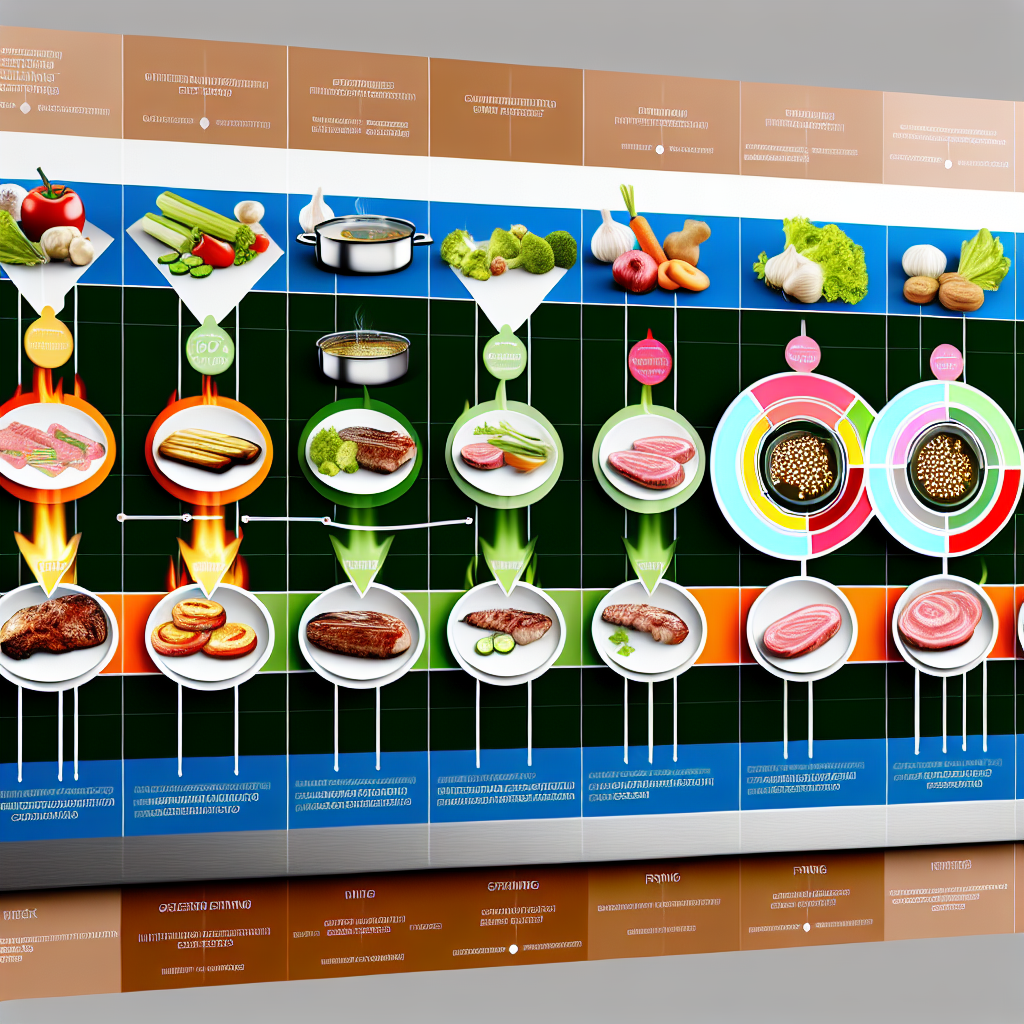
A pivotal study from the Journal of Food Science reported that boiling leads to the highest nutrient losses, largely due to vitamin leaching into the cooking water. Steaming, in contrast, preserved up to 90% of water-soluble nutrients in green vegetables such as broccoli and spinach.
Another key study in Nutrition and Cancer compared boiling, frying, and baking of garlic and onions. It showed that baking at moderate temperatures best preserved flavonoids and sulfur compounds like allicin, potent agents in immune and anti-cancer defense. In contrast, frying significantly degraded these compounds, altering both nutrient potency and flavor integrity.
Further insights from a 2013 review in Food Chemistry demonstrated that stir-frying preserved high levels of phenolic compounds — key agents in reducing inflammation and oxidative damage. The combination of brief cook time and minimal water exposure enhances nutrient retention while also helping maintain vibrant color and crisp texture.
Interestingly, microwave cooking — often criticized as being less than ‘natural’ — was found in a 1998 study to preserve more vitamin C and B vitamins than boiling or frying due to its short cooking time and limited water usage.
Strategic Cooking Tips Based on Findings
– Avoid boiling unless you consume the water (e.g., in broths or soups).
– Use steaming for delicate greens and cruciferous vegetables.
– Choose moderate baking temperatures over high-heat roasting or frying.
– Stir-fry with minimal oil and a quick toss to preserve flavonoids and polyphenols.
– Consider microwaving vegetables in minimal water for certain nutrient-retaining advantages.
These strategies will help maintain a high concentration of nutrients in food, allowing their therapeutic potential to support everything from anti-inflammatory effects to immune boosting and chronic illness support.
Food Synergy and Herbal Wisdom
From a holistic perspective, the way nutrients function in combination — known as food synergy — is crucial. Heating beyond certain thresholds can disrupt this synergy.
For example:
– Curcumin, turmeric’s active compound, is activated when consumed with fat and black pepper, but degraded by prolonged cooking.
– Myrosinase in broccoli enhances sulforaphane bioavailability (an anticancer compound), but is destroyed at high heat — unless it’s gently steamed.
Incorporating such wisdom from traditional herbalism ensures that you get the maximum benefit from each ingredient.
Conclusion
The intersection of modern science and traditional healing confirms that cooking methods dramatically influence the nutrient composition of meals. For those interested in natural healing, herbal therapy, or homeopathic living, aligning your cooking approach with nutrient-preserving strategies is essential.
Choosing methods like steaming, moderate-temperature baking, and stir-frying helps protect sensitive compounds and deliver meals that nourish and heal. Adding in raw preparations when appropriate, along with respecting the synergistic nature of food components, further amplifies the healing potential of an everyday diet.
Ultimately, cooking with nutrient preservation in mind turns every kitchen experience into a powerful opportunity for prevention, healing, and wellness.
Concise Summary
Proper cooking methods are essential for preserving the nutrients in whole foods, especially for individuals following natural, homeopathic, or herbal lifestyles. Scientific studies show that boiling leads to the most nutrient loss, while steaming, baking at moderate temperatures, and quick stir-frying help retain essential compounds like vitamin C, flavonoids, and antioxidants. Even microwaving can be beneficial when done correctly. Understanding these techniques allows food to reach its full medicinal potential — nourishing the body, enhancing immunity, and supporting holistic healing.
References
1. Miglio, C. et al. (2008). Effects of different cooking methods on nutritional and physicochemical characteristics of selected vegetables. Journal of Food Science.
2. Nicastro, H. L. et al. (2010). Garlic and onions: Their cancer prevention properties. Nutrition and Cancer.
3. Zhang, D. & Hamauzu, Y. (2013). Phenolics, ascorbic acid, carotenoids, and antioxidant activity of broccoli and their changes during conventional and microwave cooking. Food Chemistry.
4. Bognár, A. (1998). Comparative study of frying to other cooking techniques influence on the nutritive value. International Journal of Food Sciences and Nutrition.

Dominic E. is a passionate filmmaker navigating the exciting intersection of art and science. By day, he delves into the complexities of the human body as a full-time medical writer, meticulously translating intricate medical concepts into accessible and engaging narratives. By night, he explores the boundless realm of cinematic storytelling, crafting narratives that evoke emotion and challenge perspectives.
Film Student and Full-time Medical Writer for ContentVendor.com