**The Next Frontier in Food as Medicine: How Digital Twin Technology is Revolutionizing Personalized Nutrition Plans**
Introduction
In the ever-evolving field of healthcare and wellness, the concept of **food as medicine** has gained considerable traction. As more individuals seek natural cures, homeopathic, and herbal treatments, turning to **nutrition** as a primary avenue for health optimization has become a common practice. Traditional approaches to nutrition revolve around generic dietary guidelines based on demographic averages. However, evolving technologies now enable a more tailored approach to dietary recommendations—enter **Digital Twin Technology**. This emerging tool aims to personalize nutrition plans by creating virtual models of individuals that dynamically interact with real-time data and sophisticated algorithms.
Originating from engineering fields like aerospace, automotive, and manufacturing, a digital twin is a highly sophisticated virtual replica of physical entities. In healthcare, **digital twins** offer groundbreaking possibilities, such as simulating potential drug interactions in virtual patients and diagnosing diseases early.
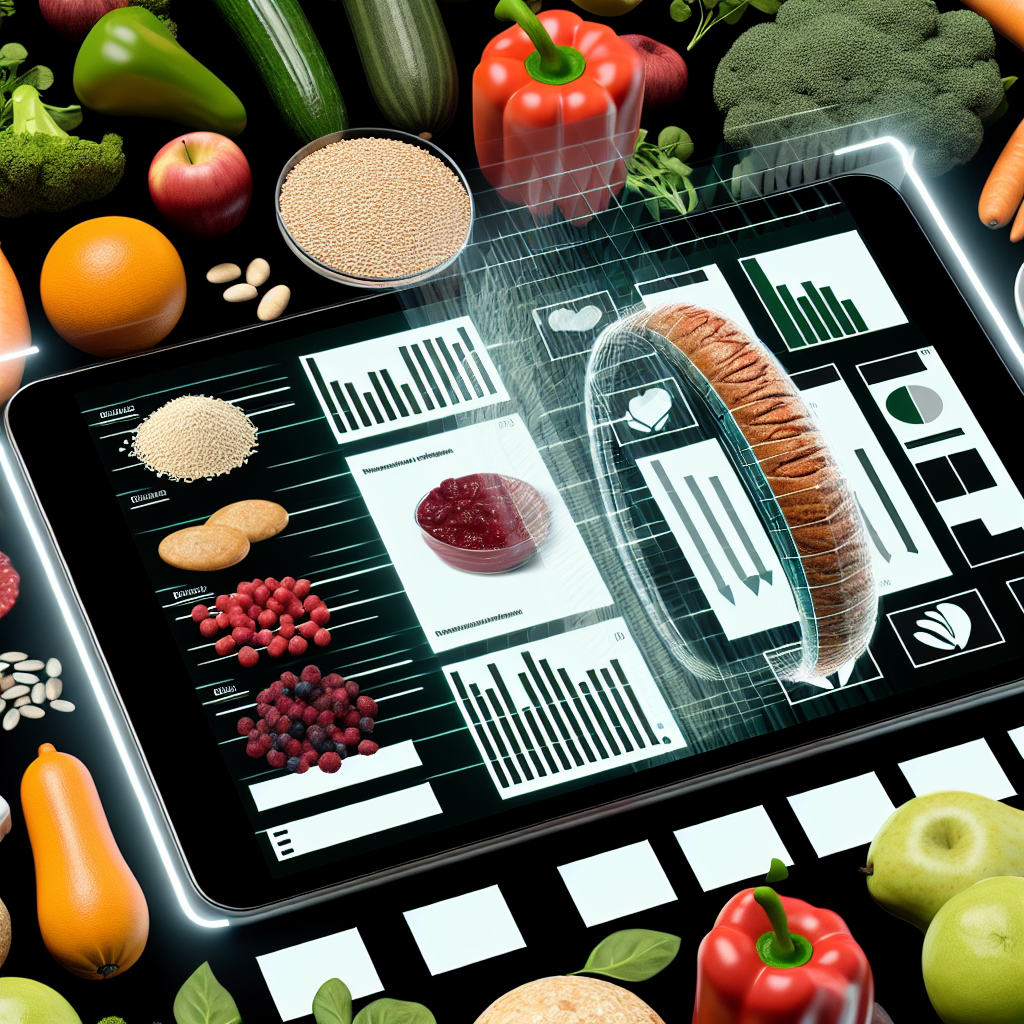
When it comes to nutrition, digital twins are poised to revolutionize our approach. A digital twin can incorporate various data points like genetic information, medical history, lifestyle habits, and food preferences, synthesizing these to suggest highly personalized dietary regimens. Imagine having a virtual version of yourself that can test various dietary scenarios and predict how your body would respond to them.
As the focus on personalized wellness grows, digital twins address the significant demand for leveraging individual uniqueness to improve health outcomes. In a world where chronic diseases such as diabetes, hypertension, and obesity are prevalent, this technology stands as a promising tool in individualized preventive care.
Features
The burgeoning field of **Digital Twin Technology** in nutrition is supported by several professional and medical studies that validate its applicability and efficacy. A pioneering study published in the journal [**Nature Medicine**](https://www.nature.com/articles/s41591-020-1035-3) explores how digital twins can be employed to better understand metabolic processes. Researchers at the European Molecular Biology Laboratory developed a model that uses digital twins to simulate human metabolism, offering insights into how variations in genes and lifestyle choices influence metabolic outcomes. This underscores the potential of digital twins to create dietary plans that harmonize with individual metabolic profiles, providing a personalized approach to nutrition.
Another compelling example comes from the [**Imperial College London**](https://www.imperial.ac.uk/news/234123/digital-twin-tech-revolutionise-personalised-medicine/), where researchers leverage digital twin models to predict how different nutritional interventions might affect individual microbiomes. The gut microbiome is linked with numerous aspects of health, from immune function to mental well-being. By using digital twins to map out the ideal diet for optimizing gut health, nutritionists and healthcare providers can offer highly tailored dietary recommendations.
Additionally, the [**Mayo Clinic**](https://www.mayoclinic.org/medical-professionals/digital-medicine-center) has initiated projects focusing on how digital twins can improve the management of chronic diseases. By simulating how an individual’s body would react to various nutritional interventions, digital twins can help prevent disease onset or mitigate existing conditions. These models allow practitioners to visualize potential outcomes and adjust nutritional advice without trial and error on the patient.
This synergy of technology and nutrition represents a significant leap forward in personalized medicine. Conventional approaches often overlook the nuances of individual dietary needs, whereas digital twins accommodate these intricacies, enhancing the efficacy of nutrition plans.
Conclusion
As we stand at the intersection of technological advancement and health optimization, **Digital Twin Technology** represents the next frontier in nutrition science. By offering a highly personalized approach, this innovation ties neatly into the broader movement of **food as medicine**. It enables a profound shift away from one-size-fits-all dietary guidelines, moving toward dynamic, individualized nutrition plans that account for a range of personal data points. As further research continues to validate its effectiveness, the widespread adoption of digital twins in personalized nutrition could transform how we approach health maintenance and disease prevention. Embracing digital twin technology today could mean seeing tomorrow’s healthcare transformed into a more precise and customized experience, with natural cures, homeopathy, and nutrition at its core.
Summary
**Digital Twin Technology** is poised to revolutionize personalized nutrition by leveraging individual data points such as genetic information and lifestyle habits to tailor dietary plans. This innovation offers a personalized pathway to health maintenance, from optimizing the **gut microbiome** to managing chronic diseases. With potential applications validated by leading institutions like **Nature Medicine, Imperial College London**, and **Mayo Clinic**, digital twins bridge the gap between traditional one-size-fits-all dietary guidelines and the more nuanced nutrition needs of individuals. The technology marks a significant leap in personalized medicine, aligning with the growing movement of **food as medicine**.

Dominic E. is a passionate filmmaker navigating the exciting intersection of art and science. By day, he delves into the complexities of the human body as a full-time medical writer, meticulously translating intricate medical concepts into accessible and engaging narratives. By night, he explores the boundless realm of cinematic storytelling, crafting narratives that evoke emotion and challenge perspectives.
Film Student and Full-time Medical Writer for ContentVendor.com