The Hidden Cost of “Healthy Eating”: How Nutrient Loss During Cooking Could Be Sabotaging Clinical Outcomes
Introduction
In our pursuit of health and well-being, the phrase “you are what you eat” has become a guiding mantra. Many individuals invest time, effort, and resources into crafting what they believe to be nutritious and balanced diets. However, an often-overlooked aspect of this journey is the **hidden cost** associated with **cooking methods** and their impact on **nutrient retention**. While it may seem that consuming a wide variety of **fruits**, **vegetables**, and **whole foods** is a surefire way to improve health outcomes, the truth is more nuanced. **Nutrient loss** during cooking can significantly affect the **nutritional value** of food, potentially hindering the health benefits we seek.
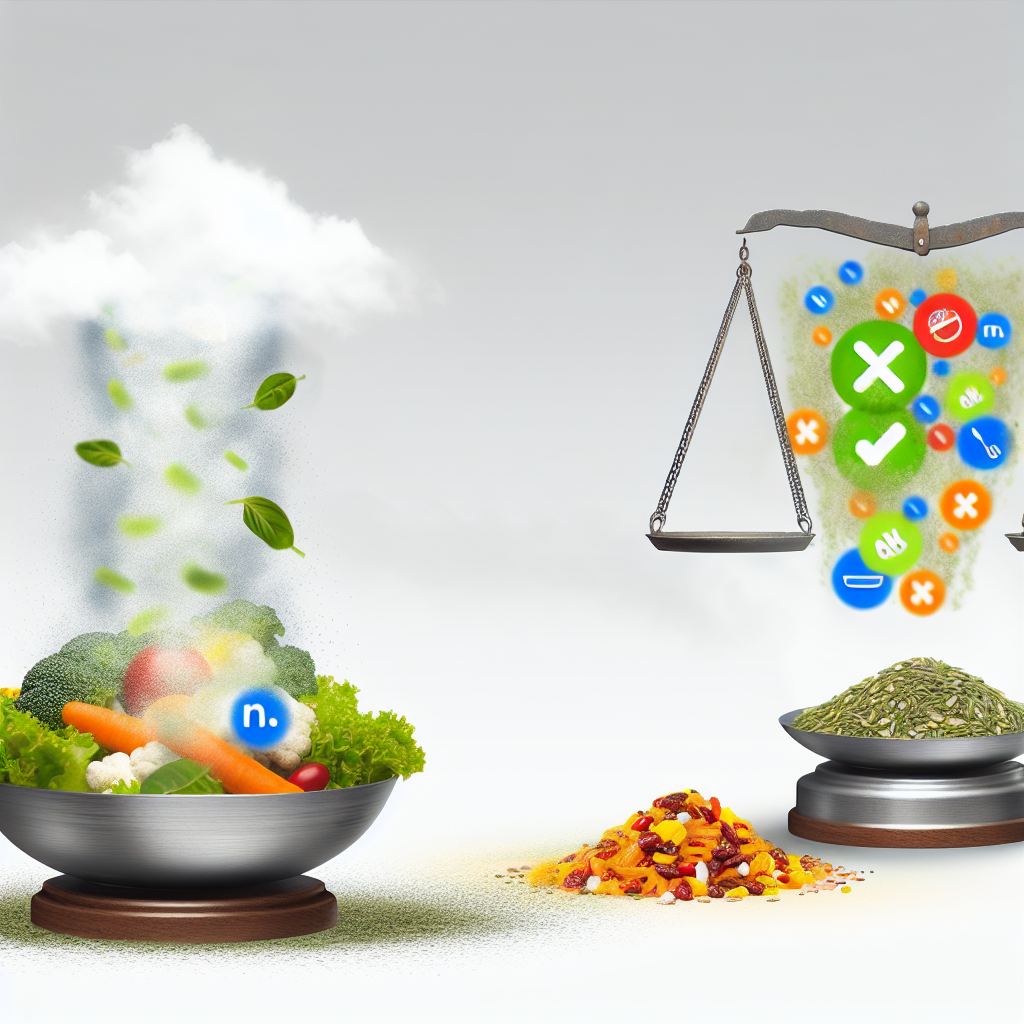
Cooking, whether by **boiling**, **steaming**, **frying**, or **grilling**, is essential for making many foods safe and palatable. However, the process of heating can alter the chemical structure of certain nutrients, particularly **vitamins** and **minerals**, leading to their degeneration or complete loss. For instance, **water-soluble vitamins** such as **Vitamin C** and the B-vitamins are highly susceptible to heat and water, often leaching out during cooking. Likewise, certain **minerals** and **amino acids** may also diminish, ultimately impacting the efficacy of a supposedly healthy diet.
This issue raises critical concerns for those relying on specific foods to meet therapeutic or dietary needs, such as patients with chronic conditions like **diabetes**, **heart disease**, or **osteoporosis**. For these individuals, nutrient retention is not just about general well-being but is tied directly to **clinical outcomes**. Ensuring that meals retain their intended health benefits is essential, yet a lack of awareness about optimal cooking methods could inadvertently sabotage efforts made in **clinical nutrition**.
As interest in **natural cures**, **homeopathic**, and **herbal treatments** continues to rise, understanding how to preserve the **nutritional integrity** of food during preparation is more pertinent than ever. Consumers today are looking for dietary answers that align with **holistic health practices**, but without recognizing the impact of cooking on nutrient levels, their efforts may be compromised. This article delves into the mechanics of nutrient loss during cooking, shedding light on how to mitigate this hidden cost and align dietary habits with **health goals**.
Features
Several professional and medical studies have investigated the extent of nutrient loss during cooking methods, emphasizing the need for awareness and careful preparation practices. A study published in the Journal of Food Science evaluated the effects of different cooking techniques on vegetables and revealed significant discrepancies in nutrient retention. **Steaming**, for example, better preserves nutrients than boiling, where vegetables submerged in water exhibited a considerable loss of nutrients such as **Vitamin C** and **folate**.
Another research effort, highlighted by the American Journal of Clinical Nutrition, explored nutrient retention in relation to cooking temperatures and durations. This study pointed out that shorter cooking times and lower temperatures generally preserved more nutrients, emphasizing the value of quick **blanching** or **gentle steaming** over prolonged boiling or frying. This calls into question widely used cooking practices that might inadvertently decrease the therapeutic potential of a meal.
Furthermore, a pioneering approach to preserving nutrients is using **sous-vide cooking**, which involves vacuum-sealing food and cooking it at precise low temperatures for extended periods. Research indicates that this technique not only retains the essential nutrients better but can also enhance the **bioavailability** of certain compounds (Trends in Food Science & Technology). These findings highlight the importance of choosing cooking methods that align with the dietary goals specific to individual health needs.
These scientific insights align with clinical observations in nutritional therapy settings, where patients often exhibit better outcomes with diets emphasizing nutrient retention. For instance, **cancer patients** undergoing dietary intervention as part of their treatment protocols might benefit significantly from nutrient-dense, well-prepared meals that uphold the nutritional integrity facilitated by optimal cooking methods (Clinical Nutrition).
Conclusion
In conclusion, the road to a healthy diet is paved with informed decisions about not only what we eat but how it is prepared. The hidden cost of nutrient loss during cooking poses a genuine threat to achieving desired clinical outcomes and overall well-being. By embracing cooking techniques that minimize nutrient degradation, such as **steaming**, **blanching**, or **sous-vide cooking**, individuals can ensure that their dietary efforts are truly beneficial. As interest in natural and holistic health continues to grow, the emphasis on preserving the nutritional content of food will undoubtedly become central to dietary strategies and natural cures. Empowered with this understanding, consumers can make more informed choices about their food preparation methods, ultimately supporting both their immediate health and long-term vitality.
**Concise Summary**
This article explores how nutrient loss during cooking methods like boiling, steaming, or frying can impact the nutritional value of food. It discusses the importance of nutrient retention, particularly for individuals with chronic conditions who rely on specific diets for clinical outcomes. Studies recommend methods like steaming or sous-vide cooking to better preserve vitamins and minerals. As interest in holistic health grows, understanding food preparation’s role in maintaining nutrient integrity is essential for supporting overall health and wellness.

Dominic E. is a passionate filmmaker navigating the exciting intersection of art and science. By day, he delves into the complexities of the human body as a full-time medical writer, meticulously translating intricate medical concepts into accessible and engaging narratives. By night, he explores the boundless realm of cinematic storytelling, crafting narratives that evoke emotion and challenge perspectives.
Film Student and Full-time Medical Writer for ContentVendor.com