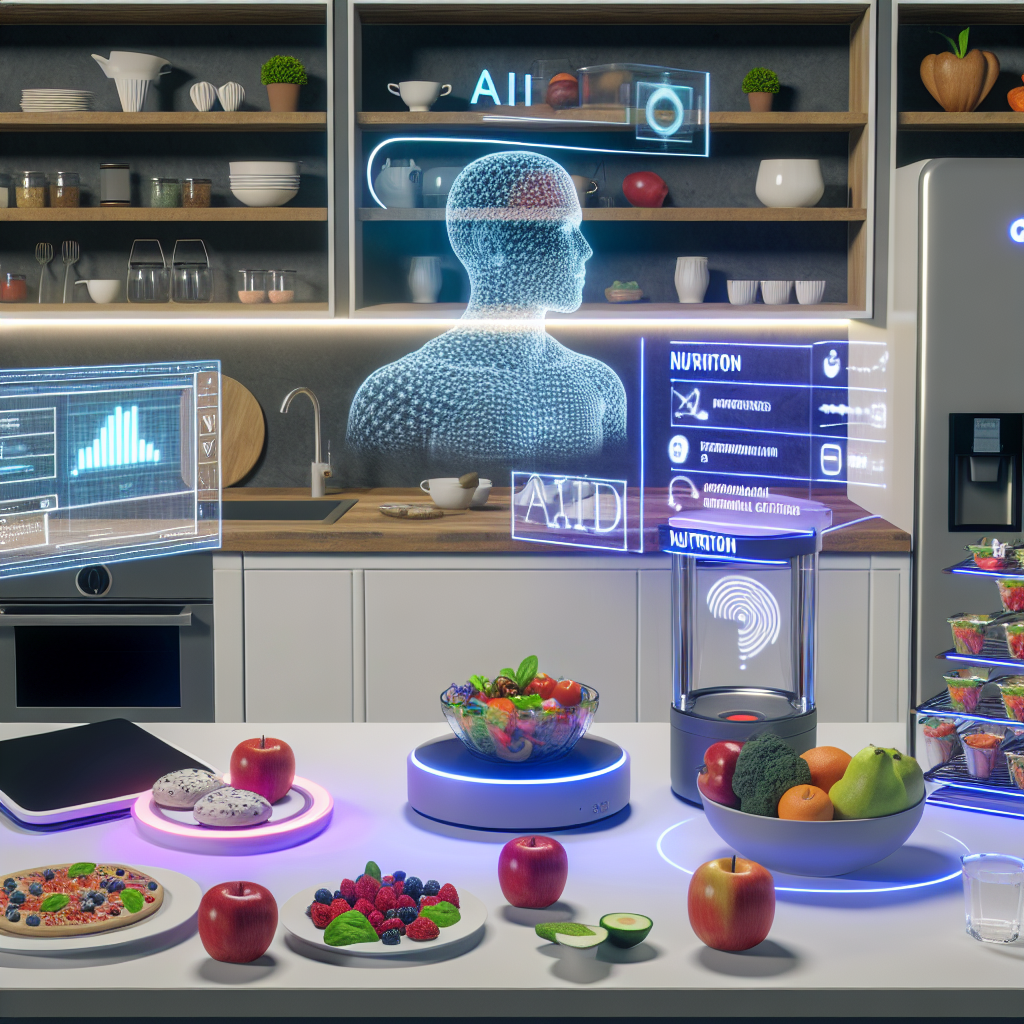
The Future of Food: Are AI-Driven Nutrition Protocols the Key to Personalized Chronic Condition Management?
In recent years, technological advancements have reshaped how we approach healthcare and **nutrition**. **Artificial intelligence (AI)** holds particular promise, especially in the realm of **personalized nutrition**. The idea that the food we consume can be tailored to manage and even prevent **chronic conditions** is not just a dream but an emerging reality, thanks to AI-driven nutrition protocols. As chronic diseases like **diabetes**, **obesity**, **hypertension**, and **heart disease** become increasingly prevalent, the need for personalized dietary interventions grows more crucial.
Traditional means of addressing chronic conditions have relied extensively on **medication** and generalized dietary advice. While these methods have proven effective to some extent, they often fail to consider individual differences in **metabolism**, **genetics**, **lifestyle**, and preferences. Enter AI-driven nutrition, which offers a revolutionary approach by considering the full spectrum of an individual’s biological and lifestyle factors to create a highly personalized nutrition plan.
AI-driven protocols can analyze vast amounts of data swiftly, drawing from **medical histories**, **genetic profiles**, **microbiome compositions**, and lifestyle analyses. They can identify nutritional deficiencies, predict metabolic responses to different foods, and suggest dietary adjustments that traditional methods might overlook. The integration of AI in dietary management promises to unlock unique insights that could significantly enhance disease management and **prevention strategies**.
For instance, an AI system might assess data from **wearable health monitors**, blood tests, and dietary logs to recommend specific nutritional interventions targeted at not only alleviating symptoms but also addressing root causes of chronic illnesses. Imagine being able to receive a customized meal plan that not only aligns with your health goals but also dynamically adjusts to your body’s needs and responses over time. This capability could redefine how both individuals and healthcare professionals approach chronic condition management, offering hope for more effective and manageable treatment plans.
The promising landscape of AI-driven nutrition aligns with a broader shift toward more individualized healthcare that emphasizes prevention and proactive management. As we continue to explore the potential of these technologies, it is essential to understand the scientific backbone supporting them and the practical applications they hold for individuals seeking natural and holistic treatment options.
Features: The Science Behind AI-Driven Nutrition Protocols
The scientific community has shown considerable interest in exploring the efficacy of **AI in managing chronic conditions** through personalized nutrition. One noteworthy study published in the journal [*Cell*](https://www.cell.com) explored how **machine learning algorithms** could predict personalized **postprandial glucose responses**, a finding that could be transformative for managing **diabetes**. The study found that individual responses to foods could vary widely and that personalized nutrition advice predicted by AI could more effectively manage blood sugar levels than standardized dietary guidelines.
Furthermore, a study in the [*Journal of Medical Internet Research*](https://www.jmir.org) highlighted AI’s potential in analyzing patient data to identify **patterns and correlations** that might be missed by human analysis alone. This capability enables healthcare providers to offer dietary recommendations that are not only based on empirical evidence but directly tailored to the individual’s health history and current condition.
AI-driven nutrition protocols are also supported by advancements in **genomics**. Research published in [*Nutrients*](https://www.mdpi.com/journal/nutrients) demonstrated how **nutrigenomics** — the study of how diet interacts with genes — could be integrated with AI to provide dietary recommendations that align with genetic predispositions. By understanding how different nutrients affect gene expression, AI can make informed predictions about which foods will best support individual health needs.
Moreover, the integration of **microbiome analysis** with AI technology is opening new avenues for personalized nutrition plans. The gut microbiome, a critical component in overall health, varies significantly among individuals. Studies have shown that AI can help decipher the complex interplay between the microbiome and diet, offering personalized dietary advice that could improve digestive health and reduce inflammation, thereby managing chronic conditions more effectively (source: [Nature Reviews Microbiology](https://www.nature.com/nrmicro/)).
Conclusion: A Personalized Path Forward
The integration of **AI-driven nutrition protocols** in managing **chronic conditions** marks a significant shift in how we perceive and address health challenges. By moving from a **one-size-fits-all** approach to a personalized, data-driven strategy, we open the door to more effective, manageable, and sustainable health solutions. The potential of AI to analyze an individual’s **genetic**, **metabolic**, and **lifestyle data** offers a promising path forward in the journey toward holistic and natural chronic condition management.
However, it is essential to approach this frontier with caution and rigorous validation. While AI holds incredible promise, it requires continued research and collaboration between tech developers, nutritionists, medical professionals, and regulatory bodies to ensure its safe and effective implementation. As we look to the future, embracing technological advancements while maintaining a personalized touch could ultimately empower individuals to take charge of their health and well-being, harnessing the natural healing power of food.
For further exploration, consider sources linked within the text for an in-depth understanding of AI’s potential in transforming personalized nutrition and chronic disease management.
Concise Summary
Artificial Intelligence (AI) is revolutionizing **personalized nutrition** by analyzing individual data, such as genetic, metabolic, and lifestyle factors, to tailor dietary plans that manage and prevent **chronic conditions** like diabetes and heart disease. Moving beyond traditional methods that don’t account for individual differences, AI-driven protocols use vast data, including genetic profiles and microbiome analysis, to offer customized dietary suggestions. This approach underscores a shift towards individualized healthcare solutions, with research highlighting AI’s potential for more effective and sustainable chronic disease management. Collaboration and careful implementation remain essential as AI’s role in healthcare continues to evolve.

Dominic E. is a passionate filmmaker navigating the exciting intersection of art and science. By day, he delves into the complexities of the human body as a full-time medical writer, meticulously translating intricate medical concepts into accessible and engaging narratives. By night, he explores the boundless realm of cinematic storytelling, crafting narratives that evoke emotion and challenge perspectives.
Film Student and Full-time Medical Writer for ContentVendor.com