Prebiotic-Rich Foods for Gut Flora Enhancement
Introduction
In recent years, there has been a remarkable surge in interest surrounding gut health and its undeniable connection to overall well-being. This growing awareness has driven individuals toward natural and holistic strategies for improving digestive health. Among these, the incorporation of **prebiotic-rich foods** has emerged as a powerful and effective method to nourish beneficial gut bacteria—commonly referred to as gut flora or gut microbiota.
Our digestive tract hosts trillions of microorganisms, both beneficial and harmful, that impact everything from nutrient absorption to immune response and mental clarity. Maintaining a balanced gut microbiota is vital, and prebiotics—a special class of dietary fibers found predominantly in plant-based foods—play a critical role in achieving this balance. Unlike **probiotics**, which introduce new beneficial microbes, **prebiotics** act as fuel for the beneficial bacteria already living in our intestines, promoting their growth and strengthening the intestinal barrier.
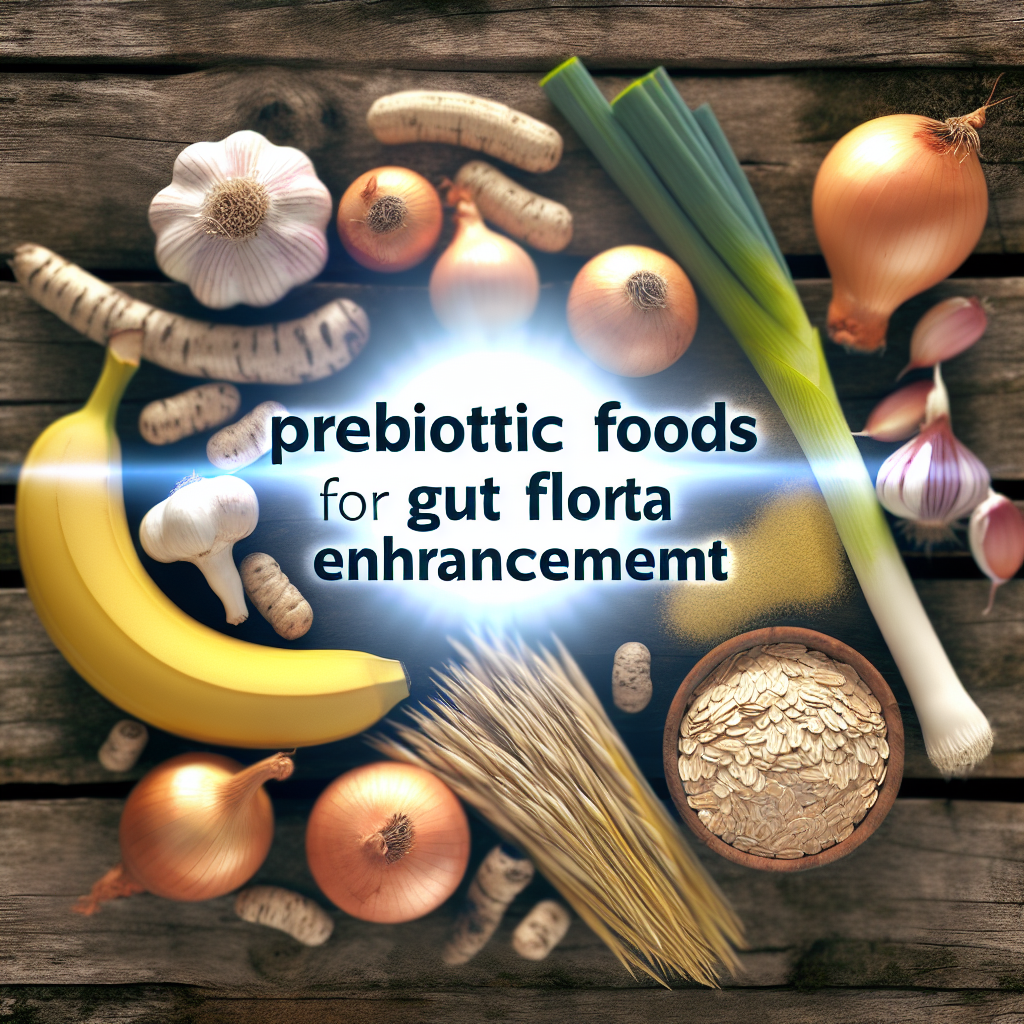
Natural health practitioners have long recommended fiber-dense, plant-based staples such as **garlic**, **onions**, **bananas**, and **chicory root** not only for their nutritional content but for their substantial gut-supportive properties. These foods are now central to various therapeutic dietary strategies aimed at restoring gut integrity, calming inflammation, alleviating symptoms of IBS, enhancing immune responses, and even supporting cognitive wellness through the brain-gut connection.
Whether you are dealing with digestive sensitivities, looking to enhance immune resilience, or pursuing overall wellness through a natural lens, integrating **prebiotic-rich foods** offers practical benefits backed by both tradition and science. As research continues to unravel the far-reaching impacts of the microbiome, one truth holds firm—nurturing our internal ecosystem through informed dietary choices can be one of the most important investments we make in our long-term health.
Medical and Professional Studies Supporting Prebiotic-Rich Foods
An expanding body of scientific research confirms the vital role of **prebiotics** in supporting a diverse and resilient gut ecosystem. A review published in the journal Nutrients found that prebiotics specifically stimulate the proliferation of beneficial bacterial strains such as Bifidobacterium and Lactobacillus, which improve intestinal barrier strength, immune regulation, and suppress harmful bacteria ([Slavin, 2013](https://www.ncbi.nlm.nih.gov/pmc/articles/PMC3705355/)).
The International Scientific Association for Probiotics and Prebiotics (ISAPP) proposed official criteria for defining prebiotics and emphasized their science-backed role in modulating the microbiome for improved host health ([Nature Reviews, 2017](https://www.nature.com/articles/nrgastro.2016.46)).
One influential double-blind, placebo-controlled study in the American Journal of Clinical Nutrition demonstrated how consistent intake of **prebiotic-enriched foods** increased production of short-chain fatty acids (SCFAs), particularly **butyrate**. Butyrate supports colon health, regulates inflammation, promotes mineral absorption, and even protects against carcinogenesis ([Dewulf et al., 2009](https://academic.oup.com/ajcn/article/89/6/1751/4596767)).
Additionally, the fascinating interplay between the gut and brain—known as the gut-brain axis—is being explored in mental health circles. A study in Psychopharmacology linked **prebiotic intake** with reduced waking cortisol (stress hormone) and improved emotional processing. This opens the door to using gut health as a tool in managing mental health issues like anxiety and depression ([Schmidt et al., 2015](https://link.springer.com/article/10.1007/s00213-014-3810-0)).
People suffering from **Irritable Bowel Syndrome (IBS)** and other chronic gut conditions also benefit significantly. Clinical trials show that soluble fiber types like **inulin** and **galacto-oligosaccharides** lessen IBS symptoms and improve stool consistency and frequency ([Quigley, 2010](https://www.ncbi.nlm.nih.gov/pmc/articles/PMC2886354/)).
Together, these studies solidify **prebiotic foods** as essential tools not only in protecting gut health but in supporting immunity, metabolism, and emotional equilibrium.
Top Prebiotic-Rich Foods to Add to Your Diet
1. Chicory Root – Rich in inulin, this slightly bitter root acts as a natural digestive tonic, encouraging bowel regularity and flourishing of healthy gut microbes. It is often brewed as a coffee alternative.
2. Jerusalem Artichoke – Also referred to as sunchokes, these tubers are rich in inulin and **fructooligosaccharides (FOS)**. They help fuel **gut-friendly bacteria** and are well-known for supporting digestion and enhancing nutrient absorption.
3. Garlic and Onions – Beyond their flavor-enhancing reputation, these pantry staples contain **sulfur compounds** and **prebiotic fibers** that nourish gut flora while offering antifungal and antimicrobial benefits.
4. Leeks and Asparagus – These versatile vegetables are loaded with inulin. Leeks can be easily incorporated into soups and sautés, while asparagus may help support detoxification processes and liver function.
5. Green Bananas and Plantains – These are rich in **resistant starch**, which passes through the digestive tract to feed beneficial bacteria. They also support blood sugar control and promote satiety.
6. Dandelion Greens – These wild leafy greens are one of nature’s bitter tonics, helping with bile production and liver support while providing prebiotic-rich fiber, particularly in the form of **inulin**.
7. Apples – Containing both **pectin** and polyphenols, apples act as gentle prebiotics. They also regulate cholesterol, control appetite, and stabilize blood sugar.
8. Flaxseeds – Aside from their omega-3 content, flaxseeds offer **mucilage gum fiber** that lubricates the digestive tract, nourishes good bacteria, and contributes to hormonal balance.
Conclusion
Nature offers comprehensive solutions to support our internal balance. By regularly consuming whole, **prebiotic-rich foods** such as **chicory root**, **garlic**, **green bananas**, and **flaxseeds**, you empower your body’s natural ability to maintain a healthy and diverse **gut microbiome**. These therapeutic foods not only promote better digestion and immunity but may also improve mental clarity, metabolic health, and emotional stability through support of the gut-brain axis.
As modern research continues to illuminate the essential role of gut flora in every major bodily function, it becomes increasingly clear: feeding your inner ecosystem with the right types of foods—namely plant-based, fiber-dense prebiotics—is a practical yet profound step toward long-term wellness. Making educated, natural dietary choices lets you take control of your health from the inside out.
References
– Slavin, Joanne. “Fiber and Prebiotics: Mechanisms and Health Benefits.” Nutrients, MDPI, 2013. https://www.ncbi.nlm.nih.gov/pmc/articles/PMC3705355/
– Gibson, Glenn R., et al. “Expert consensus document: The ISAPP consensus statement on the definition and scope of prebiotics.” Nature Reviews Gastroenterology & Hepatology, 2017. https://www.nature.com/articles/nrgastro.2016.46
– Dewulf, EM, et al. “Inulin-type fructans with prebiotic properties.” American Journal of Clinical Nutrition, 2009. https://academic.oup.com/ajcn/article/89/6/1751/4596767
– Schmidt, K., et al. “Prebiotic intake reduces the waking cortisol response and alters emotional bias in healthy volunteers.” Psychopharmacology, 2015. https://link.springer.com/article/10.1007/s00213-014-3810-0
– Quigley, EM. “Prebiotics and Probiotics in Digestive Health.” World Journal of Gastroenterology, 2010. https://www.ncbi.nlm.nih.gov/pmc/articles/PMC2886354/
Concise Summary
Prebiotic-rich foods such as chicory root, bananas, garlic, and flaxseeds feed beneficial gut bacteria, improving digestion, immunity, and mental clarity. Unlike probiotics, which introduce new microbes, prebiotics nourish existing good bacteria. Supported by scientific studies, these foods enhance gut barrier function, reduce inflammation, and positively affect stress and cognitive function via the gut-brain axis. Incorporating prebiotic-rich, plant-based foods into your diet is a powerful, natural approach to supporting your microbiome, preventing disease, and promoting overall wellness.

Dominic E. is a passionate filmmaker navigating the exciting intersection of art and science. By day, he delves into the complexities of the human body as a full-time medical writer, meticulously translating intricate medical concepts into accessible and engaging narratives. By night, he explores the boundless realm of cinematic storytelling, crafting narratives that evoke emotion and challenge perspectives.
Film Student and Full-time Medical Writer for ContentVendor.com