Muscle Preservation – Age-Related Nutrition Strategies
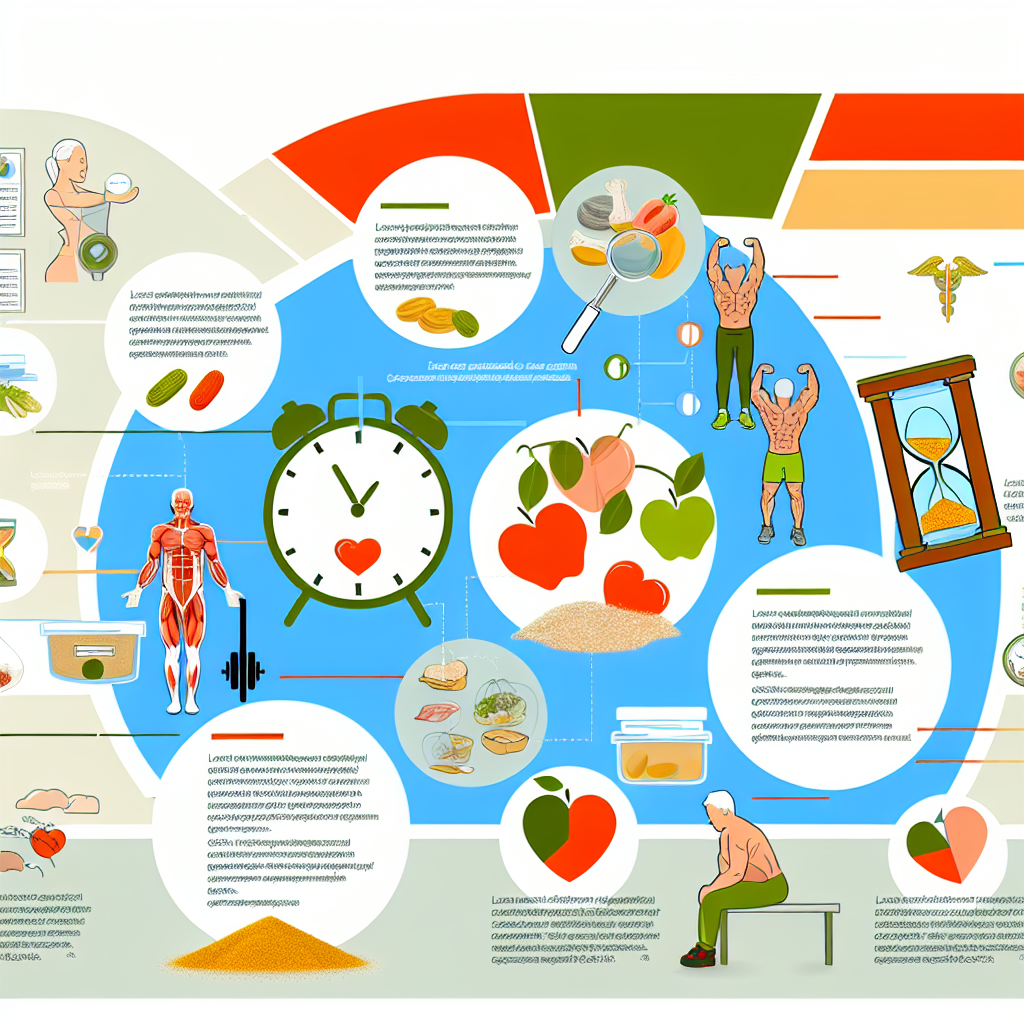
Muscle preservation is a vital focus for individuals as they age. The natural physiological process known as sarcopenia, characterized by a decline in muscle mass, strength, and function, significantly impacts mobility, balance, and quality of life. Starting as early as one’s 30s and accelerating into later decades, muscle loss can be as high as 50% by the age of 80 without proper intervention.
This condition is not exclusively dictated by age. Modifiable lifestyle factors like physical activity, diet, and recovery also contribute notably. Though resistance training is widely recognized as a countermeasure, nutrition for muscle health plays an equally vital role. Integrating natural solutions such as herbal supplements, homeopathic remedies, and nutrient-dense diets fosters improved long-term outcomes.
Traditional clinical nutrition often underestimates the power of holistic interventions. However, recent evidence supports anti-inflammatory diets, high-quality protein intake, essential micronutrients, and adaptogenic herbs as effective strategies to mitigate muscle decline.
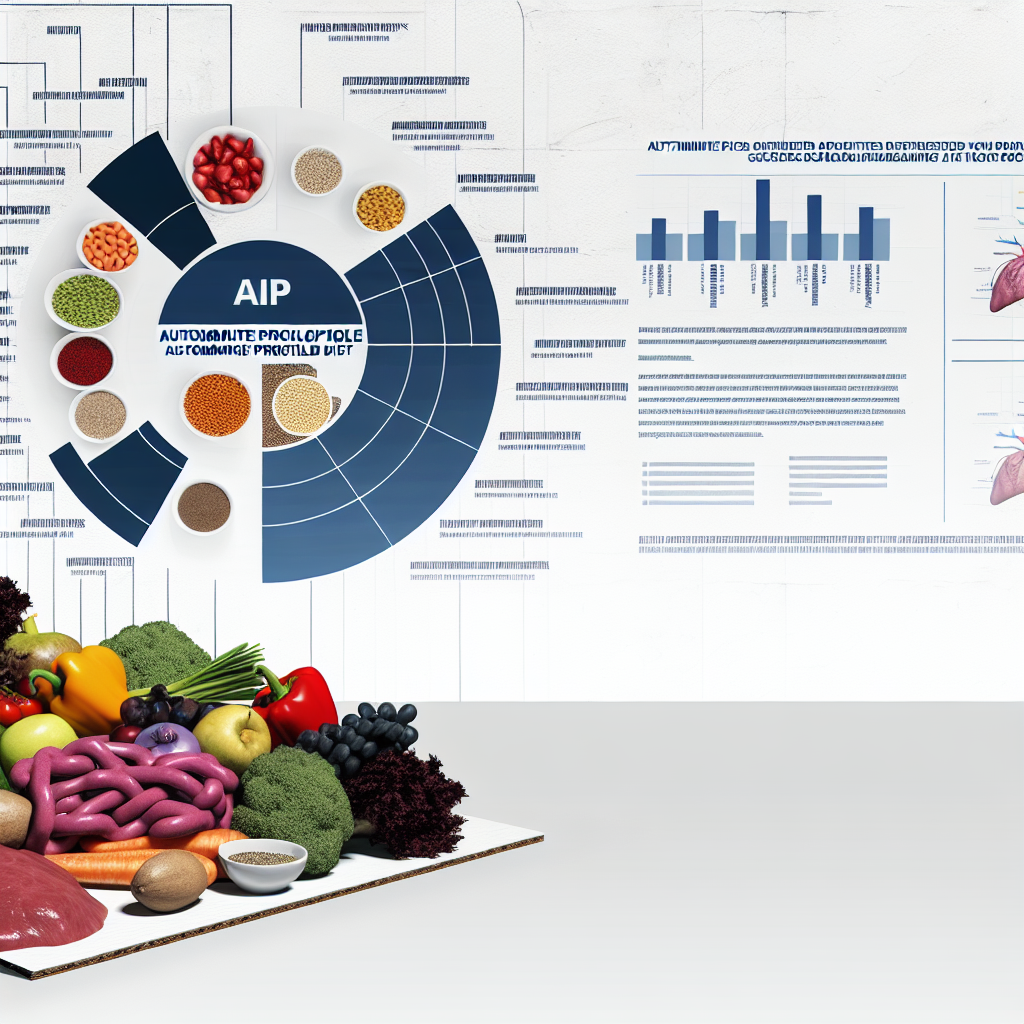
A balanced diet that incorporates plant-based proteins (such as lentils, quinoa, and hemp), omega-3 fatty acids (like chia seeds, flaxseed oil, and fatty fish), and phytonutrients enhances metabolic function while reducing chronic inflammation commonly linked to muscle wasting.
Preserving muscle isn’t solely about looking toned. It affects bone density, metabolic rate, mood, balance, and post-illness recovery. Individuals who maintain higher muscle mass in older age experience fewer falls, faster healing, and a lower risk of chronic illness.
This guide explores natural nutrition strategies to preserve muscle mass effectively, helping individuals stay strong and independent as they age.
Scientific and Medical Insights on Nutrition and Muscle Preservation
The clinical landscape of sarcopenia has evolved, now officially recognized as a disease (ICD-10 M62.84). As defined in a pivotal paper published in Age and Ageing, sarcopenia is a “progressive and generalized skeletal muscle disorder” that heightens risks of falls, fractures, disability, and early mortality.
One of the most important factors in combating this condition is adequate protein intake. A core study in the American Journal of Clinical Nutrition recommends 1.2–2.0 grams of protein per kilogram of body weight per day for older adults — significantly more than the commonly recommended 0.8g/kg. Whole food sources like legumes, broccoli, and nuts can cater to this demand while aligning with plant-based preferences.
Protein quality matters as much as quantity. Combining sources like pea and hemp proteins creates a complete amino acid profile. These plant proteins are often easier to digest for older adults compared to red meat or dairy-based whey proteins.
Key micronutrients such as vitamin D, magnesium, and omega-3s play supportive roles in muscle integrity. Studies in the journal Nutrients (2019) show that omega-3 fatty acid supplementation not only decreases inflammation but increases muscle protein synthesis, especially when paired with resistance training.
Magnesium supports energy metabolism and muscle contractions, while vitamin D deficiencies — common in adults over 60 — are linked with muscle weakness and frailty. Emerging views recommend blood-level monitoring and tailored vitamin D supplementation for seniors.
Herbal remedies for muscle health have also gained attention. Adaptogenic herbs like Ashwagandha (Withania somnifera) have demonstrated efficacy in building strength and enhancing recovery. Curcumin, the active antioxidant in turmeric, helps reduce “inflammaging,” the persistent inflammation associated with aging muscle degeneration.
For those avoiding synthetic supplements, whole food sources high in branched-chain amino acids (BCAAs) — such as spirulina, quinoa, and amaranth — are recommended over isolated powders. Leucine is especially effective in stimulating muscle protein synthesis.
Homeopathic agents like Arnica montana and Rhus toxicodendron are traditionally used to ease muscle stiffness and enhance post-exercise recovery. Though clinical data is still developing, these remedies are embraced in integrative health systems for senior care.
Overall, muscle loss can be tackled through a multidimensional strategy — combining targeted nutrition, plant-based supplementation, and gentle strength-building exercises. This offers older adults a more sustainable and holistic alternative to pharmaceutical dependance in maintaining strong, functional bodies.
Conclusion
Healthy aging is built on functional strength and independence — and muscle preservation is central to both.
By addressing sarcopenia prevention early, adults can regain control over their aging trajectory. Integrating a wide range of anti-inflammatory foods, quality protein, essential nutrients, herbal adaptogens, and homeopathy offers a full-spectrum system for muscular vitality.
The sooner one embraces these nutrition-based wellness practices, the better the results. Choosing food as medicine, prioritizing natural over pharmaceutical solutions, and maintaining a lifestyle rooted in movement and mindfulness can ensure better balance, recovery, disease resistance, and general wellbeing into the later stages of life.
Preserving muscle isn’t just about strength — it’s about preserving freedom, resilience, and quality of life.
Summary
Muscle loss, or sarcopenia, affects older adults but is not inevitable. Holistic nutritional strategies including high-protein diets, key vitamins, omega-3 fatty acids, herbal adaptogens, and homeopathic remedies support muscle preservation naturally. Combining these with resistance exercise enhances benefits. Whole foods like quinoa, hemp, and spirulina aid muscle protein synthesis without taxing digestion. Supplements like Ashwagandha and curcumin reduce inflammation and promote strength. Overall, natural and integrative strategies empower aging adults to maintain mobility, independence, and quality of life without reliance on pharmaceuticals.
References
- Cruz-Jentoft, A. J., et al., Sarcopenia: revised European consensus on definition and diagnosis, Age and Ageing, 2019
- Houston, D. K., et al., Dietary protein intake and lean mass change, The American Journal of Clinical Nutrition, 2008
- Rondanelli, M., et al., Omega-3 Supplementation & Muscle Synthesis, Nutrients, 2019
- Wankhede, S., et al., Withania somnifera on muscle strength, JISSN, 2015
- Mohajeri, M. H., et al., Nutrients and Muscle Preservation, Nutrients, 2021

Dominic E. is a passionate filmmaker navigating the exciting intersection of art and science. By day, he delves into the complexities of the human body as a full-time medical writer, meticulously translating intricate medical concepts into accessible and engaging narratives. By night, he explores the boundless realm of cinematic storytelling, crafting narratives that evoke emotion and challenge perspectives.
Film Student and Full-time Medical Writer for ContentVendor.com