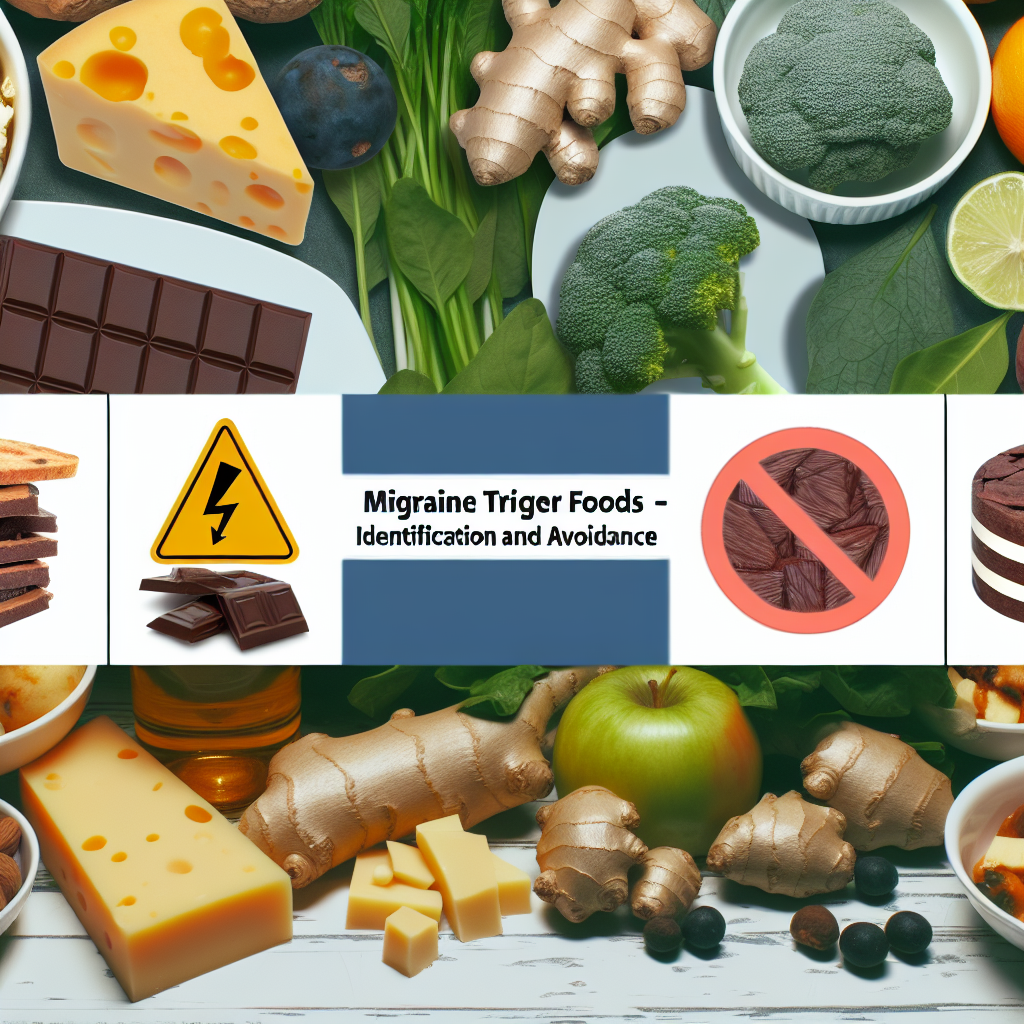
Migraine Trigger Foods – Identification and Avoidance
Introduction
Migraines are complex neurological events that affect millions worldwide, frequently disrupting daily life and impairing functionality. More than just a severe headache, migraines may include symptoms such as nausea, visual disturbances, and a heightened sensitivity to light and sound. Among several factors influencing their onset, dietary triggers for migraines have emerged as one of the most significant yet manageable causes.
For individuals pursuing natural migraine relief, including homeopathic and herbal treatments, identifying migraine-triggering foods becomes an essential strategy in holistic health. Unlike pharmaceutical medications that may have side effects, natural methods emphasize prevention and healing through lifestyle adjustments—particularly through diet. Research-supported findings and anecdotal reports highlight that certain foods are consistent migraine culprits, while others provide preventative benefits.
Dietary triggers vary among individuals. Some common offenders include aged cheeses, processed meats, caffeine, alcohol, artificial sweeteners, and foods high in histamines, nitrates, or MSG. These substances may disrupt neurotransmitters like serotonin and dopamine, which play key roles in migraine activity.
Understanding personal food sensitivities requires self-monitoring, patience, and often assistance from a health professional or nutritionist. Maintaining a detailed food and migraine diary over several weeks can help individuals connect their symptoms to what they consume, unveiling personalized triggers.
Avoiding these foods doesn’t mean losing out on satisfying meals. Embracing a natural anti-inflammatory diet packed with whole, unprocessed foods often boosts energy and improves overall health. With increasing awareness of natural wellness, many are now adopting food as medicine—a philosophy central in homeopathy and herbalism.
In this guide, we’ll unpack commonly identified migraine trigger foods, supported by scientific evidence, and provide practical tips for avoiding them within a holistic lifestyle framework.
Scientific and Medical Insights into Migraine Trigger Foods
The link between diet and migraine onset has been extensively researched, revealing complex biochemical interactions. According to a 2016 study in the Journal of Headache and Pain, dietary triggers significantly impact migraine intensity and frequency in sensitive people.
One major category of concern is foods rich in tyramine—a natural compound found in aged, fermented, or pickled foods like aged cheeses, soy sauce, and cured meats. High tyramine levels can induce vascular changes in the brain and disrupt neurotransmitters such as dopamine and norepinephrine, potentially triggering an episode.
A second group includes foods containing nitrates and nitrites, which are preservatives found in products like bacon, hot dogs, and deli meats. These chemicals contribute to vasodilation, or the widening of blood vessels—commonly implicated in migraine formation. A 2019 study in the American Journal of Clinical Nutrition confirmed that frequent intake of these additives correlates with a higher risk of migraines.
Equally problematic are food additives like monosodium glutamate (MSG) and aspartame. MSG, often present in processed foods and restaurant dishes, acts as an excitotoxin—overstimulating neurons and triggering migraine-related pain. Aspartame, an artificial sweetener, alters serotonin levels and may affect those with heightened chemical sensitivities.
Caffeine is a well-known double-edged sword. While moderate doses can help halt a migraine, especially during early onset, excessive or inconsistent intake may lead to rebound headaches. A 2020 analysis by Harvard Medical School underscores the importance of balancing caffeine intake to avoid triggering attacks.
Foods high in histamines—such as red wine, smoked fish, avocados, and some fermented products—are also linked with migraines. For people with histamine intolerance, reduced ability to break down this compound can lead to its accumulation, exacerbating symptoms. A 2021 study published in the Nutrients Journal found that adopting a low-histamine diet significantly lessened migraine frequency.
A personalized elimination diet—systematically removing and reintroducing suspect foods under professional supervision—can help uncover individual triggers. According to the British Medical Journal, food and chemical intolerances are common migraine contributors, and this method is highly effective for clarity and symptom management.
Practical Ways to Avoid Migraine Trigger Foods
Once you’ve identified your triggers, implementing a strategy to avoid them becomes crucial. Here’s how:
- Read labels carefully for additives like MSG, aspartame, sodium nitrite, or sodium nitrate.
- Choose fresh meats and skip deli options.
- Use natural flavor enhancers such as herbs, lemon juice, or apple cider vinegar instead of artificial additives.
- Opt for dairy-free or aged-cheese alternatives to reduce tyramine consumption.
- Carefully manage caffeine intake by keeping it within moderate levels (1–2 cups of coffee/day), and avoid overconsumption during weekends or holidays when routines change.
- Follow a low-histamine diet which may include rice, egg yolks, fresh meats, and non-citrus fruits.
Transitioning to a natural and trigger-free diet doesn’t mean compromising on taste. Use plant-based recipes, incorporate anti-inflammatory ingredients like turmeric, ginger, omega-3-rich fish, and magnesium-rich greens to support migraine prevention.
Conclusion
Migraines are more than just physiological disturbances—they disrupt routines and quality of life. But through mindful attention to dietary triggers, especially strategies grounded in natural and homeopathic health practices, many individuals experience transformative relief.
Recognizing and avoiding key triggers like processed meats, aged cheeses, MSG, aspartame, and high-histamine foods allows the body to maintain neurotransmitter and vascular stability. When complemented with an anti-inflammatory, whole-food diet, the results can lead to significant reductions in the frequency and intensity of migraines.
Ultimately, embracing food as a form of medicine not only aligns with holistic wellness but also empowers individuals to take active control over their health journeys.
Concise Summary
Migraines are complex neurological events often exacerbated by dietary triggers such as processed foods, aged cheeses, MSG, and artificial sweeteners. This article explores the science linking these foods to migraine onset and offers natural and homeopathic strategies for prevention. Maintaining a food diary and adopting a nutrient-dense, anti-inflammatory diet can drastically reduce migraine frequency. Natural healing methods, including low-histamine and elimination diets, empower individuals to achieve relief without relying on medication.
References
1. The Journal of Headache and Pain (2016)
2. American Journal of Clinical Nutrition (2019)
3. Harvard Medical School (2020)
4. Nutrients Journal (2021)
5. British Medical Journal (2021)

Dominic E. is a passionate filmmaker navigating the exciting intersection of art and science. By day, he delves into the complexities of the human body as a full-time medical writer, meticulously translating intricate medical concepts into accessible and engaging narratives. By night, he explores the boundless realm of cinematic storytelling, crafting narratives that evoke emotion and challenge perspectives.
Film Student and Full-time Medical Writer for ContentVendor.com