**How to Build a “Metabolic Funnel”: Apply Marketing Funnels Logic to Chronic Disease Protocols**
Introduction
In the evolving landscape of **digital marketing**, the concept of a **marketing funnel** is a foundational strategy used to guide potential customers through various stages, transforming them from leads into loyal clients. This indispensable model transcends commerce, offering a transformative approach to **health management**, especially in addressing **chronic diseases**. By drawing parallels between **marketing funnels** and **metabolic processes**, individuals can harness a structured and strategic method towards optimizing health, utilizing **natural, homeopathic,** and **herbal treatments**.
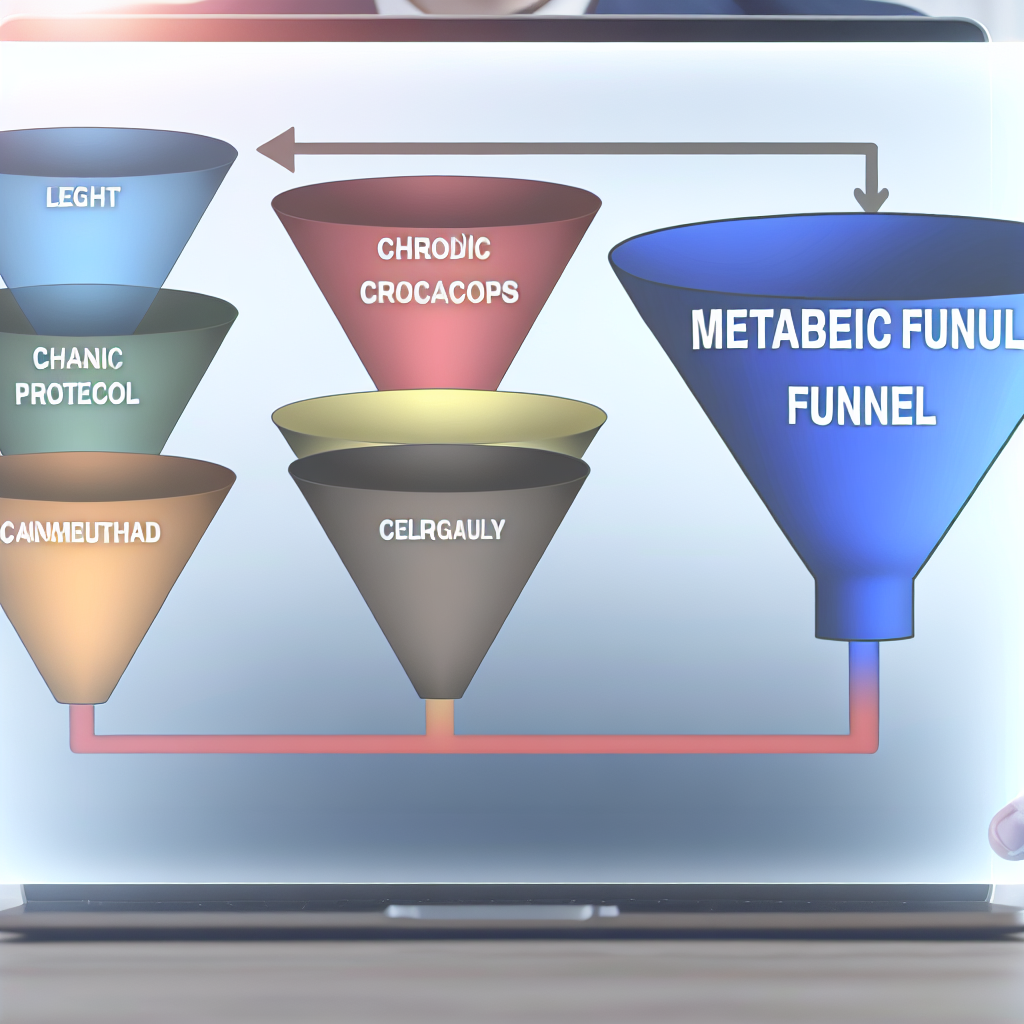
**Chronic diseases** like **diabetes**, **obesity**, and **hypertension** commonly involve **metabolic dysfunctions**. These can be managed by addressing underlying biological roadblocks. The “**metabolic funnel**,” inspired by **marketing funnels**, envisions a strategic, step-by-step approach to rehabilitate *metabolism* and restore health. By envisioning patient health management in this manner, it is possible to systematically address primary health concerns, tailor remedies progressively, and align **treatment outcomes** for sustained improvement.
The initial stage in constructing a **metabolic funnel** involves **awareness**—acknowledging and identifying symptoms and understanding the impact of **natural treatments**. Much like marketers raise awareness of a product, patients and healthcare providers must be informed about potential **natural remedies** and their efficacy. This stage requires comprehensive education on **herbs**, **homeopathic solutions**, and **dietary modifications** that support **metabolic health**.
Once **awareness** is established, **interest** naturally follows, as individuals begin actively seeking more information on **holistic treatment options**. Here, a deep dive into the **mechanisms** and potential benefits of specific herbs and **homeopathic practices** can highlight their relevance. With **interest** and knowledge, patients move towards the **evaluation** stage, weighing their choices before committing to a personalized **natural treatment protocol**. This decision-making phase is crucial, involving trialing different remedies and experiencing their impacts.
The final stages of the funnel are parallel to **purchase** and **loyalty** in marketing. In health terms, these are the **adoption** and **maintenance** phases, where patients become accustomed to the regimen that best suits them. Regular monitoring, adaptation, and adherence to the natural protocol ensure that **metabolic health** is maintained long-term, mirroring brand loyalty. By following a **‘metabolic funnel**, individuals can find balance and improved quality of life, similar to a successful transaction in commerce.
Features
Research into the biological underpinnings of **chronic diseases**, like **metabolic syndrome** and **type 2 diabetes**, highlights significant potential for **natural interventions**. According to a [study](https://www.sciencedirect.com/journal/journal-of-ethnopharmacology) in the “**Journal of Ethnopharmacology**,” many herbs demonstrate properties that regulate **blood glucose levels**, aid in weight loss, and improve **lipid profiles**, all crucial to **metabolic health**.
A prominent example is **berberine**, a compound extracted from plants like **goldenseal** and **barberry**, which exhibits efficacy comparable to the drug **metformin** in controlling blood sugar levels, as per findings in the [“Metabolism”](https://www.metabolismjournal.com) journal. This highlights the tangible potential of **herbal treatments** in managing **metabolic diseases**.
Furthermore, a [study](https://academic.oup.com/ajcn) in “The **American Journal of Clinical Nutrition**” delves into the benefits of **dietary modifications**, stressing the importance of **high-fiber foods** that enhance **insulin sensitivity** and effectively manage appetite. Combining these insights with **homeopathic approaches**—which emphasize individualized treatment protocols—can develop a comprehensive **metabolic funnel strategy**.
The evidence supporting **natural treatments** extends to **homeopathy**. For instance, the [“British Homeopathic Journal”](https://homeopathy.bmj.com) emphasizes how personalized, diluted remedies can improve symptoms for conditions like **arthritis**, often accompanying **metabolic diseases**. This suggests that a strategic, tiered approach akin to **marketing funnels**, enriched by ongoing medical and holistic studies, can guide patients towards robust health.
Conclusion
Applying the principles of **marketing funnels** to health management provides a novel approach for tackling **chronic diseases** via natural remedies. By following stages of **awareness**, **interest**, **evaluation**, **adoption**, and **maintenance**, individuals can create a personalized roadmap for health improvements. This **”metabolic funnel”** offers a sustainable strategy for embracing natural treatments, leveraging the synergy between patient education, evidence-based solutions, and tailored health plans. Ultimately, this paradigm shift not only promotes a holistic lifestyle but also empowers individuals to control their **metabolic health**, ensuring optimal wellness in a systematic and strategic manner akin to successful marketing outcomes.
**Concise Summary:**
Integrating marketing funnels into healthcare can transform chronic disease management by applying a structured, step-by-step method to improve metabolic health. This “metabolic funnel” approach begins by raising awareness of natural treatments, progresses to a deep interest and evaluation phase, and then transitions to adopting and maintaining a personalized regimen. Research supports the efficacy of herbal, homeopathic, and dietary interventions. This strategic approach understands chronic disease management as a journey similar to nurturing customer brand loyalty, ultimately empowering patients to achieve balanced health and improved quality of life.

Dominic E. is a passionate filmmaker navigating the exciting intersection of art and science. By day, he delves into the complexities of the human body as a full-time medical writer, meticulously translating intricate medical concepts into accessible and engaging narratives. By night, he explores the boundless realm of cinematic storytelling, crafting narratives that evoke emotion and challenge perspectives.
Film Student and Full-time Medical Writer for ContentVendor.com