**
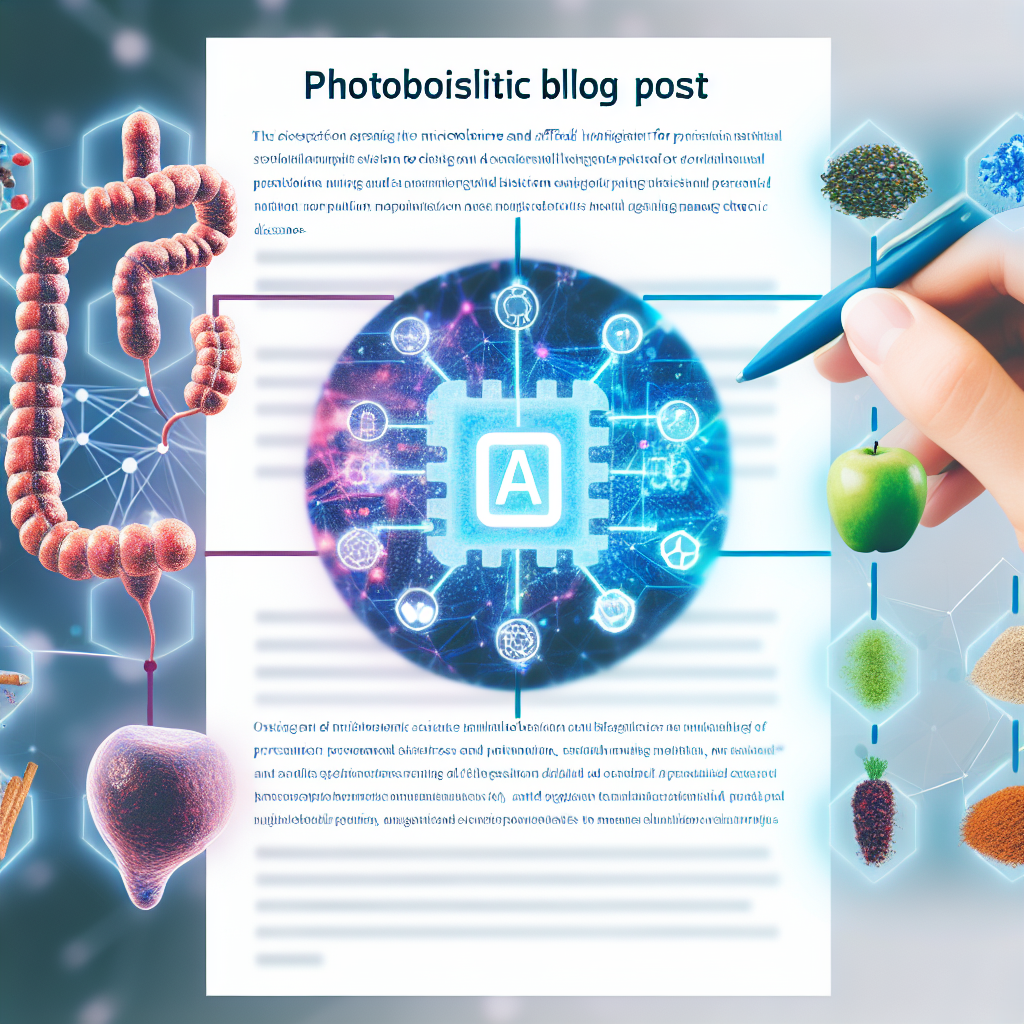
Harnessing the Intersection of Microbiome Science & AI: A New Frontier in Personalized Nutrition for Chronic Disease Management
**
Introduction
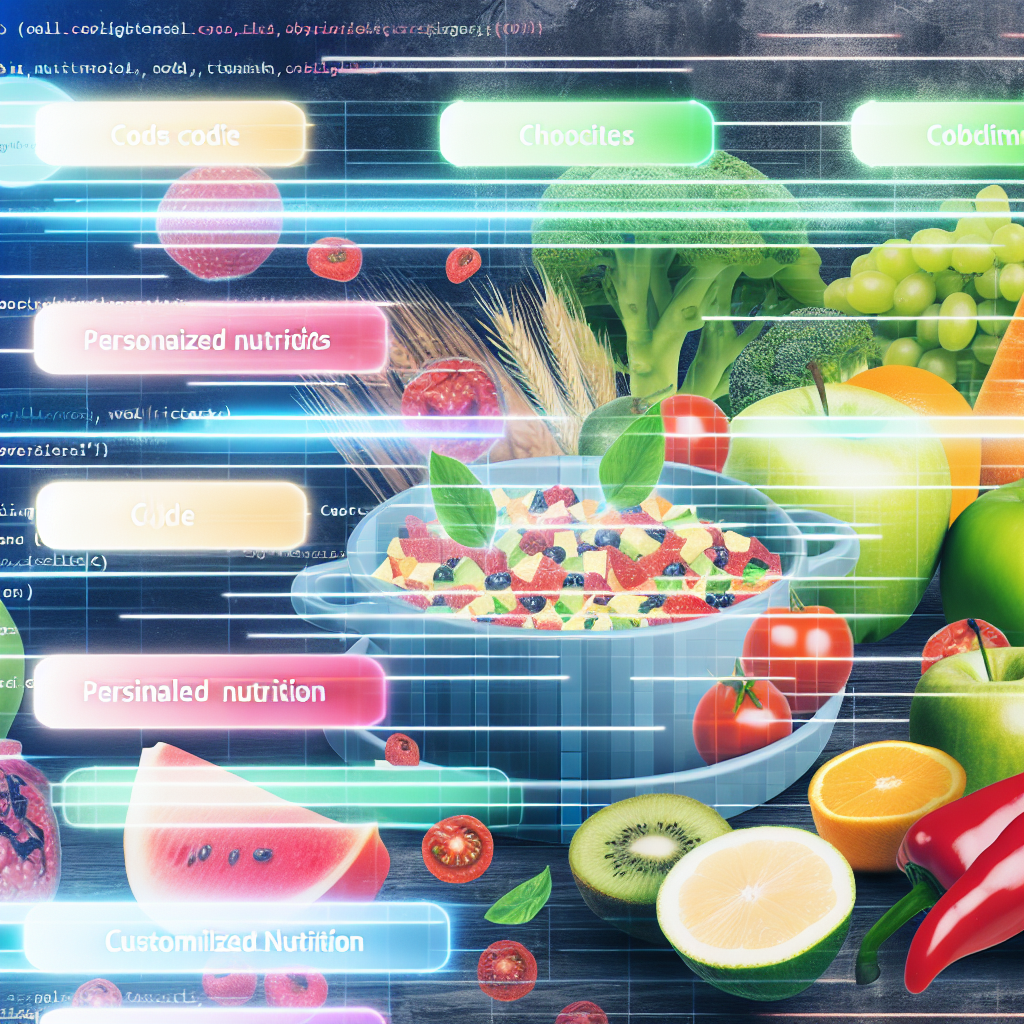
In the rapidly evolving landscape of **healthcare**, the integration of **microbiome science** and **artificial intelligence (AI)** stands out as a pioneering development with the potential to revolutionize **chronic disease management**. As chronic diseases continue to impose significant burdens on global health systems, affecting millions of individuals worldwide, the quest for effective, **personalized treatment strategies** has never been more urgent. **Personalized nutrition**, tailored to an individual’s unique **microbiome profile** and leveraging the power of AI, offers an innovative approach to mitigating the impact of chronic diseases such as **diabetes**, **obesity**, and **cardiovascular illnesses**.
The human microbiome, a complex ecosystem of trillions of microorganisms residing primarily in our gut, plays a pivotal role in our overall health and well-being. These microorganisms influence a myriad of physiological processes, including digestion, immune function, and even mental health. Variations in the composition and diversity of one’s microbiome have been linked to various health outcomes, including susceptibility to chronic conditions. Recent advances in microbiome research have unlocked insights into how specific dietary components interact with our gut flora, affecting metabolic pathways and immune responses.
**Artificial intelligence** comes into play as a transformative tool capable of decoding the vast complexities of microbiome data. By employing **machine learning** algorithms and **predictive analytics**, AI can analyze large datasets to identify patterns that would be beyond the reach of traditional analytical methods. This technology allows for the development of highly nuanced nutritional frameworks tailored to individual microbiome profiles, thereby fine-tuning dietary recommendations to optimize health outcomes.
The potential benefits of this symbiotic relationship between **microbiome science** and **AI** are enormous. **Personalized nutrition strategies** could enable more precise dietary interventions that not only manage but potentially prevent the progression of chronic diseases. As we stand on the brink of this new frontier, it is crucial to explore the existing research supporting these advances and understand how these technologies can be integrated into practical healthcare solutions.
Features
A growing body of scientific research supports the use of personalized nutrition based on microbiome data for chronic disease management. One pivotal study conducted at the **Weizmann Institute of Science** demonstrated that blood sugar responses to identical meals varied significantly among individuals, determined largely by their unique microbiome composition. This study laid the groundwork for personalized nutrition plans that consider individual microbiome profiles to prevent and manage disorders such as diabetes. [Read more about the study](https://www.cell.com/cell/fulltext/S0092-8674(15)01481-6).
Further research conducted by the **American Microbiome Society** emphasized the crucial role of gut health in modulating inflammatory responses, a key factor in many chronic conditions. Researchers found that certain probiotic strains could improve immune function and reduce systemic inflammation when included in targeted nutrition plans. By utilizing AI, these findings can be leveraged to design personalized probiotic supplements, offering tailored solutions for inflammation-linked disorders. [Explore the findings here](https://microbiomesociety.org/research).
Moreover, the **EU-funded MyNewGut project** explored the influence of gut microbiota on obesity, revealing how dietary fibers are metabolized differently depending on microbial compositions, leading to varying effects on body weight and metabolism. AI-driven predictive models were employed to tailor dietary guidelines, demonstrating a substantial improvement in metabolic markers among participants. Such studies underscore the potential of AI to refine personalized nutritional interventions. [Discover more about MyNewGut](http://www.mynewgut.eu).
This intersection of microbiome science and AI is also being explored in cancer research. Scientists are investigating how specific microbiome profiles influence the efficacy of immunotherapies, with AI models predicting patient responses to therapy. This research paves the way for personalized dietary and medicinal regimens that enhance treatment outcomes for cancer patients. [Check out the research](https://www.ncbi.nlm.nih.gov/pmc/articles/PMC6408823/).
Conclusion
The convergence of **microbiome science** and **AI** represents a groundbreaking stride towards personalized healthcare, especially in the realm of nutrition and chronic disease management. By accurately mapping the interactions within our microbiome and employing AI’s analytical prowess, we can design dietary interventions that align with individual physiological needs. The promise of such tailored approaches lies in their potential to enhance the efficacy of existing treatments and, importantly, to offer preventive strategies for at-risk populations. While challenges remain in terms of accessibility and integration within current healthcare frameworks, the advancements thus far underscore a hopeful trajectory towards a more personalized, effective approach to managing chronic diseases. As we continue to delve deeper into the intricacies of our microbiomes and the capabilities of AI, these innovations herald a promising future for global health.
Concise Summary:
The convergence of microbiome science and artificial intelligence (AI) offers transformative potential for personalized healthcare, particularly in managing chronic diseases like diabetes, obesity, and cardiovascular conditions. By analyzing individual microbiome profiles, AI can refine dietary interventions, enhancing treatment effectiveness and potentially preventing disease progression. Studies, such as those from the Weizmann Institute and the American Microbiome Society, highlight how microbiome-informed personalized nutrition can optimize health and manage inflammation. As we deepen our understanding, this innovative approach promises a more effective, tailored healthcare future, despite integration and accessibility challenges.

Dominic E. is a passionate filmmaker navigating the exciting intersection of art and science. By day, he delves into the complexities of the human body as a full-time medical writer, meticulously translating intricate medical concepts into accessible and engaging narratives. By night, he explores the boundless realm of cinematic storytelling, crafting narratives that evoke emotion and challenge perspectives.
Film Student and Full-time Medical Writer for ContentVendor.com