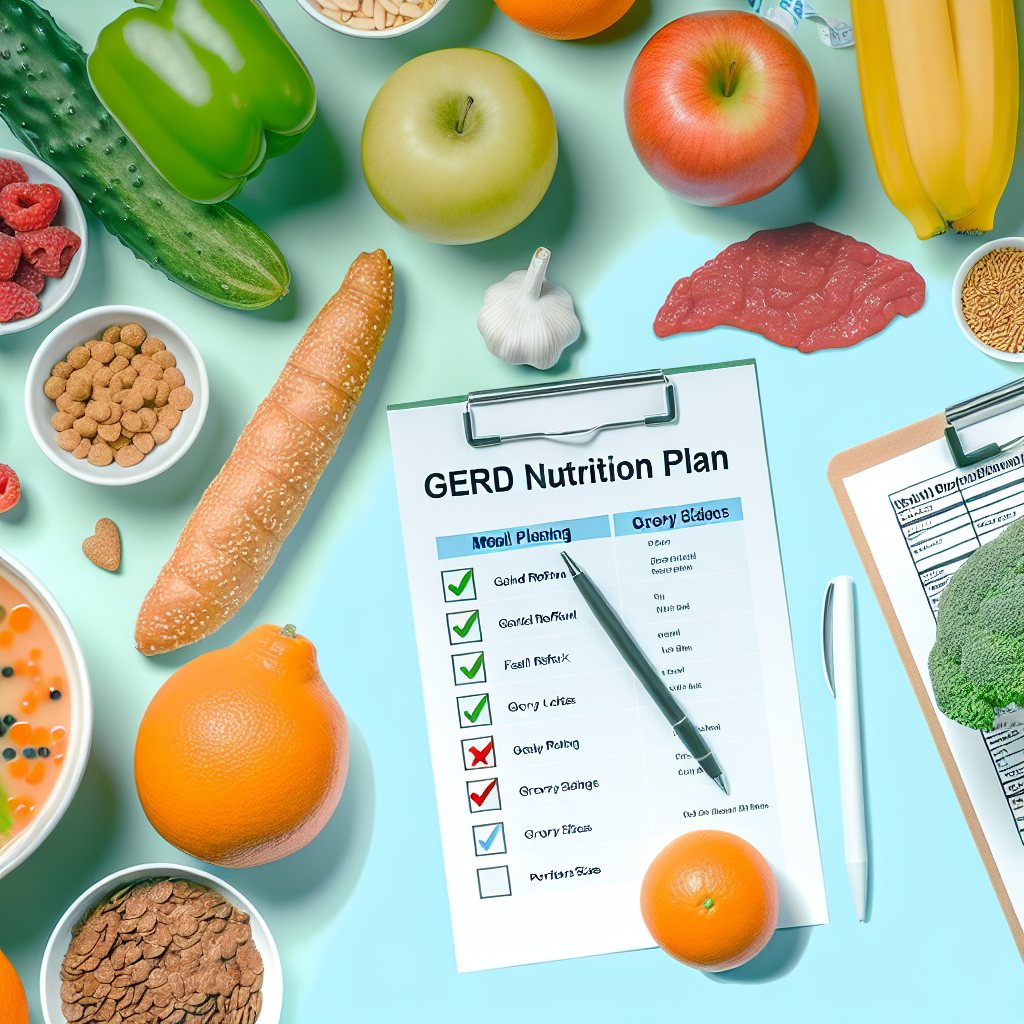
GERD Nutrition Plan – Acid Reflux Management
Introduction
Gastroesophageal reflux disease (GERD), also referred to as acid reflux, affects millions of individuals worldwide. It occurs when stomach acid flows back into the esophagus, irritating its lining. Common symptoms include heartburn, regurgitation, bloating, chest pain, and difficulty swallowing. If left untreated, GERD can lead to complications such as esophagitis, ulcers, Barrett’s esophagus, and potentially esophageal cancer.
Although medications such as proton pump inhibitors (PPIs) and H2 blockers are commonly prescribed, increasing numbers of individuals are opting for natural remedies and dietary therapies to manage their condition. A well-designed nutrition plan can relieve symptoms and address root causes like poor digestion and unfavorable eating habits.
The Standard Western diet — high in processed foods, refined sugars, caffeine, alcohol, and trans fats — is a known contributor to GERD symptoms. Replacing these with an anti-inflammatory, plant-based and alkaline-forming diet promotes healing in the digestive tract. Natural approaches often focus on plant-based nutrients, herbal supplements, and lifestyle adjustments as alternatives to long-term medications that may carry risks.
Key practices including the inclusion of herbs like slippery elm and licorice root, mindful food preparation, fiber-rich meals, and reduced acid content have shown promising results for many sufferers. Complementary strategies like hydration, eating smaller portions, and mindful chewing are also significant in supporting natural healing from GERD.
This article offers a comprehensive look at an integrated GERD nutrition plan, examines supporting clinical studies, and provides practical, actionable strategies for anyone seeking long-term relief from acid reflux through natural methods.
Clinical Studies and Professional Input
A growing body of scientific research supports the vital role nutrition plays in managing GERD naturally. Compared to pharmaceutical solutions, dietary approaches have fewer side effects and support long-term healing.
A landmark 2017 study published in JAMA Otolaryngology–Head & Neck Surgery concluded that a plant-based Mediterranean diet was just as effective as PPIs in managing laryngopharyngeal reflux (a variation of GERD). The study focused on diets rich in fruits, vegetables, legumes, whole grains, and healthy fats. Participants adopting this approach saw a major reduction in symptoms without relying on medications.
The American College of Gastroenterology published updated GERD guidelines emphasizing the importance of lifestyle changes, such as weight loss in overweight individuals and elevating the head of the bed during sleep, as primary strategies for symptom management. The guideline also pointed out that dietary triggers vary between individuals—highlighting the need for personalized meal planning.
According to a 2019 study by the Institute of Human Nutrition at Columbia University, participants who followed a low-carbohydrate, high-fiber diet and eliminated acidic, spicy, and processed foods saw significant improvements. After just 12 weeks, 68% reported a decrease in GERD symptoms and cut back on their medications — further evidence of the powerful role of food therapy.
In natural medicine, herbal strategies have shown consistent promise. Deglycyrrhizinated licorice (DGL) is known to coat the stomach lining, reduce inflammation, and increase mucus production. This calms the gastrointestinal tract and offers a natural defense against acid irritation. Other valuable herbs include slippery elm and marshmallow root, which are mucilaginous—they produce a sticky, soothing layer that protects tissues.
The use of probiotics has also gained traction. Research in the World Journal of Gastroenterology indicates their ability to improve gut flora, support digestion, and decrease GERD flares. These beneficial bacteria can strengthen the gut lining, balance pH, and reduce the build-up of acid-producing microbes.
Together, these findings push for a broader acceptance of an integrative approach to GERD management that is customized, evidence-based, and mindful of the body’s natural healing potential.
Conclusion
A carefully structured natural GERD diet can be a transformative path towards long-term digestive wellness. By eliminating common acid triggers and incorporating anti-inflammatory, gut-soothing foods, individuals can achieve substantial symptom relief with minimal dependence on pharmaceuticals.
Key dietary additions include alkaline vegetables, whole grains, lean proteins, and herbs like slippery elm, ginger, and deglycyrrhizinated licorice. Beyond food, lifestyle changes like eating slowly, stress management, smaller meals, and elevating the head when sleeping contribute to holistic healing.
A combination of these diet-based and lifestyle shifts leads to a unique opportunity for natural recovery from GERD. While each person’s body responds differently, integrated care under the supervision of a nutrition-aware health professional can help fine-tune strategies that offer maximum relief.
Before beginning any new health regimen or herbal protocol, it’s important to consult a practitioner familiar with GERD and integrative nutrition.
References
– Plant-Based, Mediterranean-Style Dietary Intervention
– ACG Clinical Guideline on GERD
– Probiotics and Gastrointestinal Health
– Columbia University GERD Study
Concise Summary
A natural GERD nutrition plan focused on plant-based, anti-inflammatory, and alkaline-forming foods can alleviate acid reflux symptoms while avoiding the risks of long-term medication. Clinical research supports diet as a powerful tool in managing GERD, emphasizing personalized changes and herbs like licorice root and slippery elm. Lifestyle practices such as smaller meals, elevated sleeping, and stress management further enhance healing. Supported by scientific studies, this holistic strategy offers a sustainable path to digestive health.

Dominic E. is a passionate filmmaker navigating the exciting intersection of art and science. By day, he delves into the complexities of the human body as a full-time medical writer, meticulously translating intricate medical concepts into accessible and engaging narratives. By night, he explores the boundless realm of cinematic storytelling, crafting narratives that evoke emotion and challenge perspectives.
Film Student and Full-time Medical Writer for ContentVendor.com