Fiber Diversity – 30 Plant Weekly Challenge
Introduction
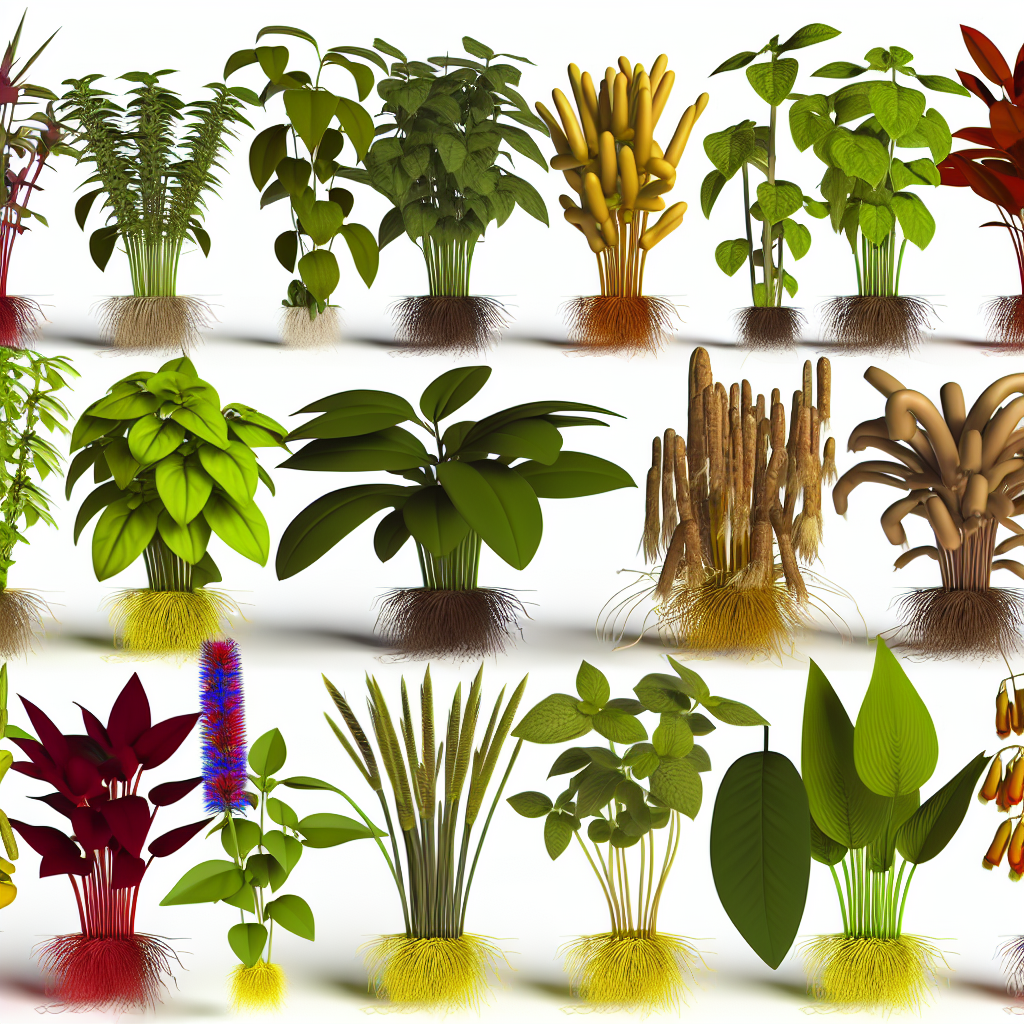
In the evolving world of natural cures and holistic wellness, a vital approach gaining momentum is increasing fiber diversity to support a healthier gut microbiome. The 30 Plant Weekly Challenge encourages individuals to consume 30 different plant-based foods every week, enhancing gut health, immune strength, inflammation control, and overall vitality.
Unlike common beliefs that treat fiber merely as an aid for digestion, it plays a complex and far-reaching role. Fiber nourishes our gut bacteria — the trillions of microbial allies that influence everything from immune function and hormone balance to weight and mental clarity. Importantly, it’s not just the amount but the variety of fiber that determines how resilient and diverse our gut microbiota becomes.
Why 30 plants? A key study from the American Gut Project found that people who consumed 30+ types of plant-based foods each week had significantly more diverse gut microbiomes than those who ate fewer than 10. This microbial diversity is strongly linked to better outcomes in both physical and mental health.
This challenge is accessible, inclusive, and adaptable — ideal whether you’re aiming to boost energy, manage chronic illness, or simply eat better. It invites creativity in how we cook and shop, and encourages a return to ancestral wisdom of using plants to heal and maintain balance.
This guide explores the science, health benefits, natural treatment support, and actionable strategies behind this vibrant nutrition challenge.
Features and Scientific Backing
Extensive research confirms that increasing fiber variety improves the health and resilience of your gut microbiome, enhancing your body’s ability to regulate inflammation, prevent disease, and support emotional well-being.
One standout finding comes from the widely cited American Gut Project. It demonstrated that individuals who regularly consumed over 30 different plant foods had a more diverse and balanced gut ecosystem. In contrast, those with fewer than 10 plant types showed less microbial diversity. A robust microbiome enables better nutrient absorption, effective waste removal, and produces essential compounds like short-chain fatty acids (SCFAs), which calm inflammation and support brain health, heart health, and even reduce cancer risk.
In a 2021 publication in the journal Nutrients, scientists emphasized the role of prebiotic fiber — present in foods like oats, garlic, legumes, and bananas — in strengthening beneficial bacteria such as Bifidobacteria and Lactobacilli. These bacteria are associated with decreased systemic inflammation and stronger immune function.
From a natural health treatment viewpoint, this strategy may offer support for conditions like:
– Irritable Bowel Syndrome (IBS)
– Type 2 Diabetes
– Anxiety and Depression
– Eczema and skin issues
The influence of the gut reaches well beyond digestion. Thanks to the gut-brain axis, microbiota health is pivotal for mood regulation and stress resilience. SCFAs like butyrate further support intestinal barrier integrity and reduce inflammation, showing promise in managing autoimmune and neurodegenerative diseases.
Further support comes from King’s College London, where researchers emphasize that different fibers fuel different microbial species. For example:
– Soluble fiber (in oats, chia, sweet potatoes) supports smoother digestion.
– Insoluble fiber (in whole grains, cabbage, seeds) adds bulk for regularity.
– Resistant starches (in green bananas, legumes, cooled rice) help produce energy-rich SCFAs.
These fibers amplify each other’s effects — a beneficial synergy that fuels digestive wellness and disease prevention.
Also notable is the alignment with ancient traditions. In Ayurveda, biodiversity in food strengthens “Agni” or digestive fire, while in Traditional Chinese Medicine (TCM), varied plants support yin-yang balance across the organ systems. These traditions echo modern understandings — that a rotational, plant-rich diet enhances vitality and homeostasis.
How to Start the 30 Plant Weekly Challenge
Ready to begin? Here’s how to embrace this life-enhancing challenge:
- Track your weekly intake by listing each unique plant food — fresh herbs and spices count, too!
- Eat the rainbow: Choose colorful fruits, leafy greens, purples, oranges, and reds — each offers different phytonutrients.
- Start with pantry staples: Legumes, seeds (chia, flax), nuts (almonds, walnuts), and whole grains (quinoa, millet) add up quickly.
- Add variety with herbal teas, dried fruits, seaweeds, and sprouts.
- Explore global cuisines: Mediterranean, Middle Eastern, Indian, and Asian recipes naturally use a wide mix of plants and spices.
- Get creative with dishes: Stir-fries, grain bowls, curries, smoothies, and salads let you blend multiple plant types effortlessly.
Even small changes make a difference. Swapping out packaged snacks for apple slices with tahini, or adding chopped fresh herbs to soups can nudge your count up. Consistency over time deepens the benefits.
Conclusion
The 30 Plant Weekly Challenge is a powerful, science-backed step toward whole-body wellness. Rooted in both modern microbiome research and ancient dietary wisdom, it offers a practical and delicious way to strengthen your gut, modulate immunity, reduce chronic inflammation, and elevate mood and mental sharpness — all through fiber variety.
Whether your goal is to fortify your natural healing regimen, manage a chronic condition, or simply feel more energized and vibrant, adding more plants to your plate can transform your health. The key lies not just in what you eat — but in how varied, colorful, and nature-sourced those foods are.
Start today: Diversify, explore, and befriend your gut. Health begins from the inside out.
Concise Summary
The 30 Plant Weekly Challenge empowers you to eat 30 unique plant-based foods weekly to improve gut health and overall wellness. Supported by the American Gut Project and other studies, this approach enhances microbiome diversity, strengthens immunity, reduces inflammation, and supports mental clarity. From a natural healing viewpoint, it helps manage conditions like diabetes, IBS, and anxiety. Aligning with ancient healing systems like Ayurveda and TCM, this diverse eating strategy is both scientifically validated and easy to implement through colorful, varied meals. This plant-powered lifestyle reboots your health naturally — one bite at a time.
References
– American Gut Project – mSystems
– Nutrients Journal – 2021 on Prebiotic Fiber
– King’s College London – Gut Health Through Plant Variety
– Harvard School of Public Health – Fiber and Health
– NIH: Gut Microbiota Diversity and Health

Dominic E. is a passionate filmmaker navigating the exciting intersection of art and science. By day, he delves into the complexities of the human body as a full-time medical writer, meticulously translating intricate medical concepts into accessible and engaging narratives. By night, he explores the boundless realm of cinematic storytelling, crafting narratives that evoke emotion and challenge perspectives.
Film Student and Full-time Medical Writer for ContentVendor.com