Elimination Diet – Food Sensitivity Testing Protocol
Introduction
In today’s landscape of rising health issues related to chronic inflammation and unexplained ailments, more individuals are reporting symptoms like fatigue, brain fog, skin breakouts, bloating, and joint discomfort—often with no identifiable cause. These mysterious symptoms may stem from underlying food sensitivities, which cause delayed immune responses and often go undetected using traditional diagnostics.
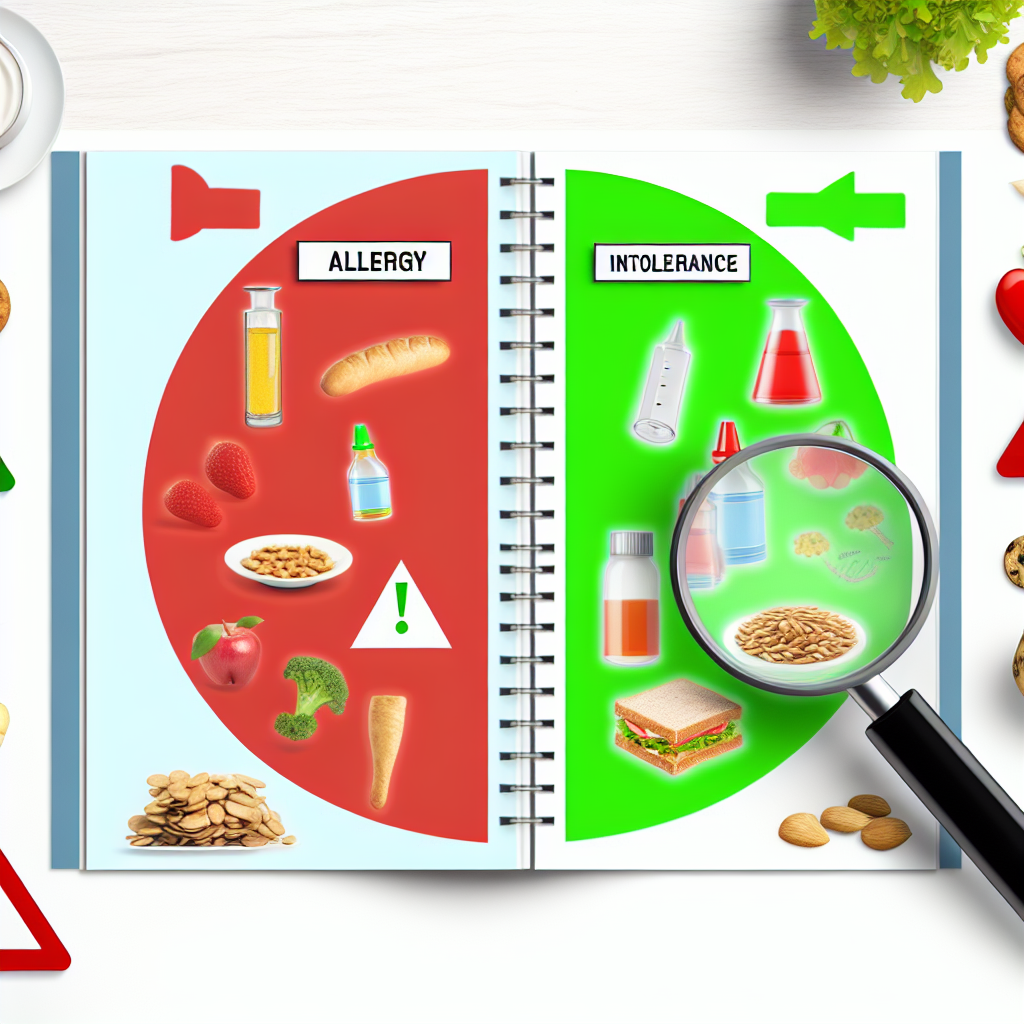
Unlike immediate immune reactions caused by food allergies, food intolerances manifest subtly over time, making them difficult to pinpoint. This is where the structured approach of an elimination diet becomes vital. By removing suspected trigger foods for a defined period—typically 3 to 6 weeks—then reintroducing them slowly while tracking symptoms, individuals can achieve clear insight into their unique dietary responses. This approach helps identify foods that cause inflammation, fatigue, digestive upset, hormonal imbalance, and skin issues.
The elimination protocol asks individuals to listen carefully to bodily feedback, giving them valuable insight into their own biochemistry. Often endorsed by holistic nutritionists and integrative medicine practitioners, it is regarded as the gold standard for determining food sensitivity due to its personalized, non-invasive nature.
Unlike unreliable lab-based tests, the diet relies on physical feedback, making it both cost-effective and empowering. It goes beyond diagnostics, also serving as a healing tool by supporting gut health, reducing inflammation, regulating hormones, and improving nutrient absorption.
Common triggers such as gluten, dairy, soy, corn, nightshades, eggs, and processed foods are removed during the elimination phase to allow the body to reset.
The reintroduction phase is just as critical as the removal; foods are introduced individually every 72 hours while documenting symptoms to observe delayed reactions. This protocol promotes self-awareness and empowers long-term wellness decisions.
Alongside homeopathy and natural therapies, the elimination diet protocol offers a holistic path to wellness—free from medications and pricey testing methods. Journaling and practicing emotional mindfulness during this phase often reveals the body’s messages in subtle but profound ways.
Features and Scientific Support
Elimination diets are widely backed by medical literature for their effectiveness in addressing complex health conditions associated with food-related inflammation.
A 2015 study in the Journal of Gastroenterology and Hepatology revealed that eliminating gluten, dairy, and additives significantly improved symptoms of irritable bowel syndrome (IBS). Participants experienced marked reductions in bloating, pain, and bowel irregularities.
Similarly, a 2017 investigative review published in the Nutrition Journal detailed the benefits of the “Six Food Elimination Diet” (SFED) in patients with eosinophilic esophagitis (EoE). Removal of milk, wheat, soy, eggs, nuts, and seafood led to improvements both in symptoms and esophageal tissue inflammation, signifying strong systemic responses to food triggers.
Further evidence appears in the Journal of Nutrition and Metabolism (2018), which studied autoimmune disease patients—specifically those with conditions like rheumatoid arthritis. After removing dairy, gluten, and processed foods, test subjects experienced a drop in inflammatory markers, along with a boost in overall vitality and pain relief. This highlights how food can be both medicinal and inflammatory, depending on individual tolerance.
While various commercial blood tests—such as IgG food tests—have gained popularity, leading medical organizations caution users. The American Academy of Allergy, Asthma & Immunology (AAAAI) states these tests do not reliably indicate true sensitivities, as elevated IgG levels reflect past exposure rather than intolerance. Hence, symptom tracking through the elimination diet remains a superior diagnostic approach.
From a holistic lens, elimination protocols often integrate additional detox therapies such as:
– Herbal adaptogens like ashwagandha, licorice root for adrenal support
– L-glutamine, probiotics, and digestive enzymes to heal gut lining
– Supporting practices like journaling, meditation, yoga, and acupuncture
These enhance the clarity of bodily signals during elimination phases, helping users understand both physiological and emotional responses to food.
Conclusion
The elimination diet stands as a transformative method in identifying and healing from food sensitivities. It is a practical, evidence-supported, and deeply individualized approach offering relief from persistent symptoms unresolved by conventional medicine. By guiding individuals through a strategic removal and reintroduction process, the protocol reveals how certain foods may be complicating health.
While blood-based food sensitivity tests may have a role in some diagnostic paths, the elimination diet provides a more accurate and empowering route. Furthermore, when used in synergy with natural remedies, homeopathy, and mindfulness practices, this protocol becomes not just a diagnostic tool—but a path to vibrant, sustainable health.
Ultimately, this approach fosters a preventative health mindset. Instead of focusing only on avoiding harmful foods, the goal becomes discovering which foods support optimal well-being, energy, mental clarity, and emotional balance.
Concise Summary
The elimination diet is a natural, science-backed method to uncover food sensitivities that may cause symptoms like fatigue, digestive issues, and inflammation. By removing common trigger foods for a few weeks and gradually reintroducing them, individuals can identify their specific intolerances. Backed by clinical studies, this method offers a non-invasive, empowering alternative to costly lab tests, supporting long-term health through self-awareness, gut healing, and holistic practices. When paired with mindfulness, journaling, and natural supplements, the elimination diet helps users achieve physical and emotional clarity—making it one of the most comprehensive strategies for resolving subtle, chronic health issues.
References
– Journal of Gastroenterology and Hepatology: Clinical effects of an elimination diet in people with IBS
– Nutrition Journal: Elimination diets in eosinophilic esophagitis
– Journal of Nutrition and Metabolism: Nutritional interventions in autoimmune disease
– AAAAI: Position on IgG Blood Testing for Food Sensitivities
– National Center for Complementary and Integrative Health: Mind and Body Approaches for Stress and Anxiety

Dominic E. is a passionate filmmaker navigating the exciting intersection of art and science. By day, he delves into the complexities of the human body as a full-time medical writer, meticulously translating intricate medical concepts into accessible and engaging narratives. By night, he explores the boundless realm of cinematic storytelling, crafting narratives that evoke emotion and challenge perspectives.
Film Student and Full-time Medical Writer for ContentVendor.com