Autoimmune Protocol (AIP) Diet Simplified Guide
Introduction
With autoimmune diseases on the rise globally, many individuals are turning to natural healing methods for lasting relief. The Autoimmune Protocol (AIP) Diet has steadily gained traction as one of the most effective dietary approaches for managing autoimmune conditions. It is an elimination and reintroduction diet designed to reduce inflammation, help identify food sensitivities, and promote gut health — all essential for managing autoimmune responses naturally.
Unlike conventional treatments, which often rely on immunosuppressive medications that may come with serious side effects, the AIP diet empowers individuals to manage symptoms through specific dietary and lifestyle changes.
Autoimmune diseases like rheumatoid arthritis, Hashimoto’s thyroiditis, lupus, inflammatory bowel disease (IBD), and multiple sclerosis are triggered when the immune system incorrectly targets the body’s own cells. Genetic predisposition, environmental toxins, poor diet, and chronic stress are common triggers. Symptoms often manifest as chronic inflammation, fatigue, joint pain, brain fog, digestive distress, and skin issues.
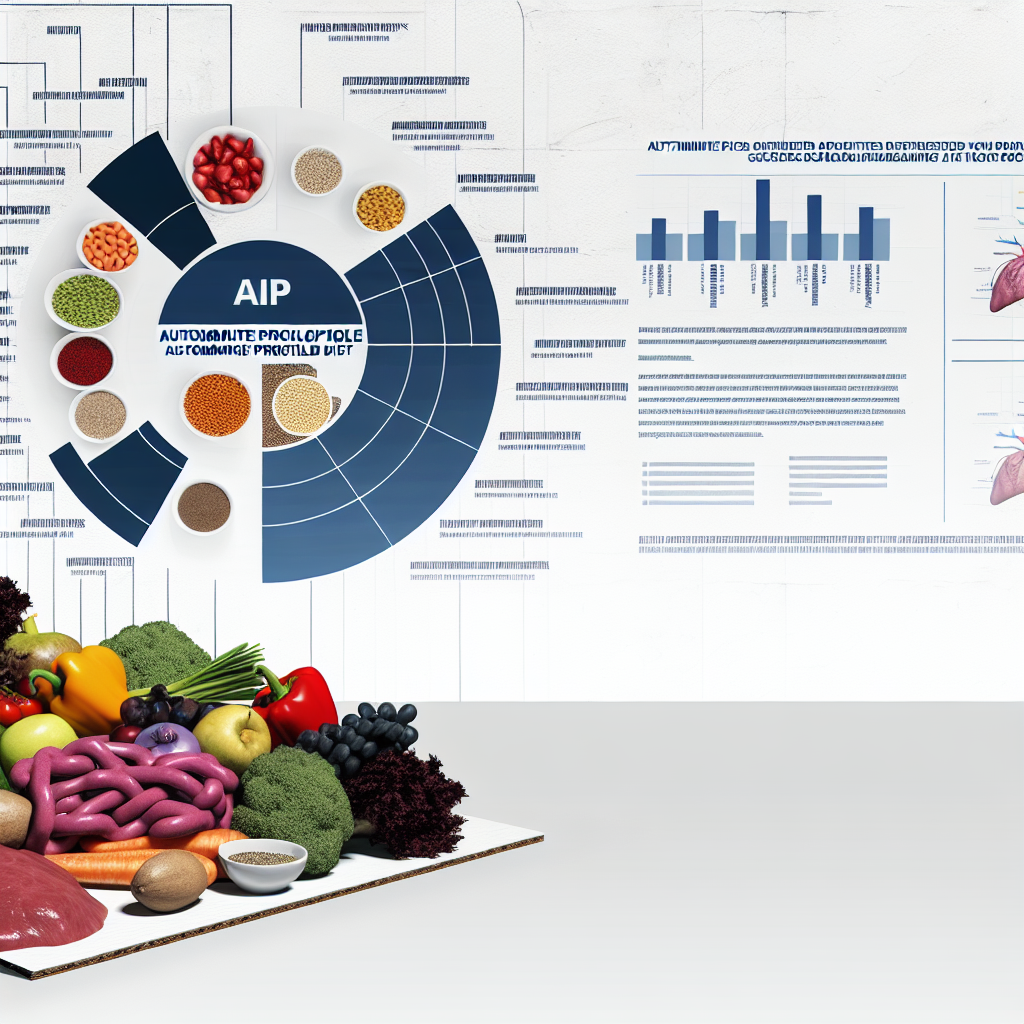
The cornerstone of the AIP diet lies in removing inflammatory or immune-activating foods and replacing them with nutrient-dense, healing options. Eliminated foods include gluten, grains, legumes, nightshades, dairy, refined sugars, eggs, nuts, seeds, and processed items. In contrast, the diet prioritizes foods like high-quality meats, bone broth, fermented vegetables, leafy greens, and healthy fats. These foods help repair the gut lining, balance immune response, and target the root causes of autoimmunity.
More than just a diet, the AIP approach incorporates lifestyle adjustments — including better stress management, regular sleep, gentle movement, and mindfulness practices. This holistic view reinforces the idea that environment and lifestyle can significantly influence autoimmune expression.
For beginners, adopting AIP may initially feel restrictive. However, with planning, support, and a gradual approach, it becomes a sustainable and eye-opening journey. The purpose is not deprivation, but discovery — learning what foods and factors support or sabotage our immune system. Ultimately, the AIP diet offers a natural and empowering alternative to symptom suppression through pharmaceuticals.
Features and Supporting Scientific Studies
The AIP diet is not merely anecdotal — its potential has been evaluated in clinical and scientific settings, earning recognition as a powerful complementary treatment for autoimmune issues.
A groundbreaking study published in the journal Inflammatory Bowel Diseases in 2017 explored its benefits for individuals with Crohn’s disease and ulcerative colitis. Over an 11-week period, 73% of the 15 participants experienced full clinical remission. The study highlighted measurable reductions in inflammation and improvements in gut lining health, demonstrating that dietary interventions rooted in the AIP framework can significantly improve conditions like IBD.
The AIP diet builds upon the Paleo foundation but goes further by eliminating additional food groups often seen as healthy yet allergenic or inflammatory. For instance, while seeds and eggs are Paleo-compliant, they are excluded under AIP to prevent aggravating immune issues. Instead, the focus is on food that supports healing, such as:
– Bone broth: Rich in collagen, gelatin, glucosamine — supports gut repair and joint function
– Fermented vegetables: Provide beneficial probiotics to rebalance gut microbiota
– Organ meats and seafood: Dense in vital nutrients like zinc, B12, and Omega-3s
Underscoring the foundation of AIP is a growing understanding of the gut-immune system connection. A 2020 study in the journal Cell identified that microbial dysbiosis — often termed “leaky gut” — is both a cause and consequence of immune dysfunction. The AIP diet aims to restore gut barrier integrity and healthy microbiota diversity, essential in reducing autoimmunity and systemic inflammation.
Additionally, a 2021 published study in the journal Nutrients found that autoimmune patients who avoided processed foods, dairy, and gluten showed marked improvements in quality of life and reductions in disease activity scores. These results align with AIP principles, highlighting the importance of personalized, whole-food-based nutrition for immune modulation.
Research in Frontiers in Nutrition also emphasizes how inflammatory markers and immune cell behavior are influenced by what we eat. The AIP diet, by removing dietary triggers and including anti-inflammatory nutrients, is shown to directly impact pathways associated with autoimmunity progression.
One of the most empowering aspects of the AIP protocol is its reintroduction phase. After a period of elimination, foods are reintroduced slowly and methodically to determine individual responses. This personalized roadmap helps individuals understand exactly which foods fuel or flare their conditions — leading to long-term dietary wisdom and autonomy.
Conclusion
The Autoimmune Protocol (AIP) diet is emerging as a highly effective strategy for managing and potentially reversing the symptoms of autoimmune disorders. By emphasizing nutrient-dense foods, removing inflammatory triggers, and nurturing gut and immune health, the AIP protocol addresses the root causes rather than just symptoms — all while reducing reliance on medications.
Though it requires a deliberate effort, the results — including better energy, reduced pain, clearer thinking, and digestive balance — are life-changing for many. Beyond food, its holistic lifestyle focus creates a powerful foundation for healing. Whether you’re newly diagnosed or have been navigating autoimmune conditions for years, the AIP diet offers a proven, science-backed path to recovery rooted in nature and personal discovery.
Reference Hyperlinks
– Inflammatory Bowel Disease Journal AIP Study
– Cell Journal Gut and Autoimmunity Study
– Nutrients Journal Autoimmune Dietary Intervention
– Frontiers in Nutrition – Immune Function and Diet Research
Concise Summary
The Autoimmune Protocol (AIP) Diet is a holistic, science-backed strategy for managing autoimmune diseases through specific food elimination, gut healing, and lifestyle optimization. By removing inflammatory foods and focusing on nutrient-dense choices like bone broth, fermented vegetables, and leafy greens, it supports immune regulation and symptom relief. Supported by research from journals like Inflammatory Bowel Diseases, Cell, and Nutrients, the AIP diet offers a personalized, natural alternative to pharmaceuticals. Reintroduction phases empower users with customized insights to make informed dietary choices. For individuals seeking long-term relief from autoimmune conditions, the AIP diet is both a structured roadmap and a healing philosophy.

Dominic E. is a passionate filmmaker navigating the exciting intersection of art and science. By day, he delves into the complexities of the human body as a full-time medical writer, meticulously translating intricate medical concepts into accessible and engaging narratives. By night, he explores the boundless realm of cinematic storytelling, crafting narratives that evoke emotion and challenge perspectives.
Film Student and Full-time Medical Writer for ContentVendor.com