The Metabolic Decoder: Transforming Chronic Health Management Through Predictive Nutritional Algorithms
In the ever-evolving landscape of health and wellness, the quest for personalized treatments has accelerated beyond conventional methods. The challenge of managing chronic health conditions like diabetes, cardiovascular diseases, and obesity has driven healthcare practitioners and researchers to explore innovative solutions. Enter the realm of predictive nutritional algorithms—a groundbreaking approach that promises to decode the complexities of our metabolism and offer bespoke dietary recommendations. But what exactly is a “Metabolic Decoder,” and how does it transform chronic health management?
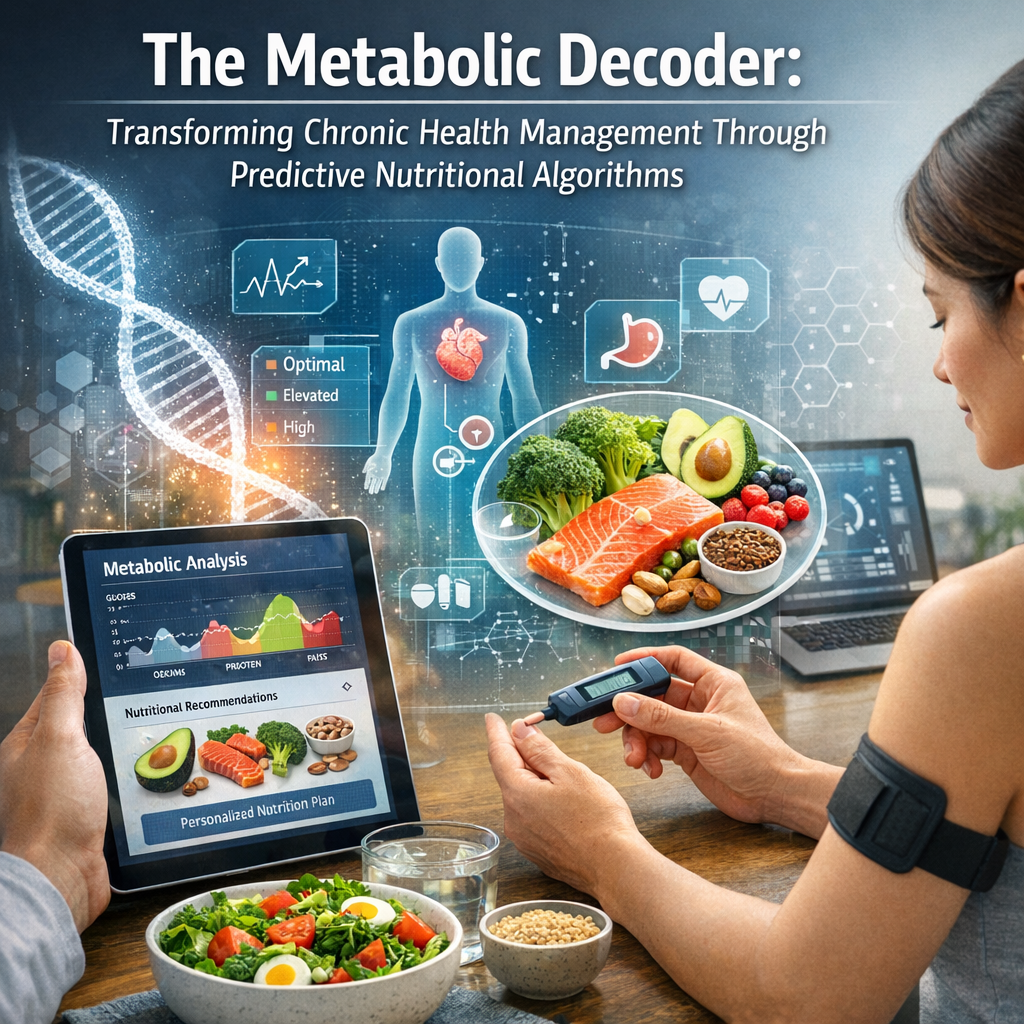
At its core, a Metabolic Decoder is a sophisticated tool that integrates Artificial Intelligence (AI) and big data analytics to predict how individual metabolisms will react to different nutrients. By leveraging data collected from various sources, including wearable technology, genetic testing, and dietary logs, these algorithms can generate precise insights into an individual’s nutritional needs. Unlike traditional one-size-fits-all diets, which often fail due to their generalized nature, predictive nutritional algorithms aim to tailor recommendations based on unique metabolic responses.
The potential of these algorithms lies in their ability to monitor and adapt. As the body changes due to age, activity level, or even external stressors, the decoder continuously learns and reprograms itself to adapt to these changes, ensuring that dietary advice remains relevant and effective. This dynamic capability makes it particularly valuable for managing chronic health conditions where dietary control is crucial, such as hypertension and autoimmune disorders.
The prominence of the Metabolic Decoder in chronic health management comes at a time when personalized medicine is gaining traction—thanks to advancements in molecular biology and computational power. The approach offers a more nuanced understanding of metabolic processes and is proving invaluable for individuals seeking natural cures, homeopathic, and herbal treatments. By identifying specific nutrient deficiencies or intolerances that could exacerbate health conditions, predictive nutritional algorithms open a new frontier in preventive healthcare. The solution lies not in just treating symptoms but transforming one’s dietary habits based on predictive insights, potentially alleviating the need for medication.
Features: Cutting-Edge Studies and Professional Insights
To comprehend how predictive nutritional algorithms work and the science that validates their efficacy, we can delve into several key studies and professional insights that offer substantial backing.
A study published in “Nature Medicine” explored how individualized predictive algorithms could accurately forecast blood sugar spikes based on food intake among pre-diabetic individuals. The research harnessed data from tens of thousands of meals to develop a machine-learning model capable of interpreting personal glycemic responses. The findings highlighted the algorithm’s ability to predict varying glucose reactions from person to person, suggesting customized diets could effectively manage or even prevent diabetes onset.
Furthermore, an article in the “Journal of Nutritional Biochemistry” examined how AI-based dietary interventions could be aligned with genetic predispositions. It focused on how real-time feedback from wearable sensors can integrate with genetic data to recommend micro and macro-nutrient adjustments tailored to enhance metabolic health and reduce risks associated with chronic conditions.
A paper in “The American Journal of Clinical Nutrition” importantly notes the reduction in healthcare costs associated with using predictive algorithms. By personalizing nutritional interventions, patients experience better compliance and more effective disease management, reducing the economic burden of chronic diseases on healthcare systems.
Health professionals are also leveraging these predictive tools to refine their approaches. Registered dietitians and nutritionists are using these algorithms to provide more educated recommendations by analyzing patients’ metabolic data alongside their medical history, yielding profound improvements in health outcomes.
The transformation in how healthcare is executed today, using data-driven insights to create customized care plans, clearly establishes Metabolic Decoders as an integral part of future chronic health management strategies.
Conclusion
As we stand on the precipice of a digital health revolution, the emergence of predictive nutritional algorithms marks a definitive shift toward personalized healthcare. The ability of Metabolic Decoders to forecast dietary impacts with precision translates into a more effective management tool for chronic conditions that traditional methods have long struggled with. The ongoing research and professional endorsement of these algorithms are paving the way for their widespread adoption, promising a future where wellness is not just about reacting to symptoms but proactively curating one’s health journey. As understanding deepens and technology evolves, the Metabolic Decoder could indeed hold the key to unlocking optimal health through natural, personalized dietary interventions.
References
1. [“Personalized Nutrition by Prediction of Glycemic Responses,” Nature Medicine](https://www.nature.com/articles/nm.3599).
2. [“AI-based Personalized Nutrition,” Journal of Nutritional Biochemistry](https://www.sciencedirect.com/science/article/pii/S0955286320301347).
3. [“The Economic Impact of Personalized Nutrition,” The American Journal of Clinical Nutrition](https://academic.oup.com/ajcn/article/110/3/433/5495948).
Concise Summary: The article introduces the concept of Metabolic Decoders, which use AI and big data to create personalized dietary plans for managing chronic conditions like diabetes. This innovative approach dynamically adjusts recommendations based on individual metabolic responses, advancing chronic health management by focusing on prevention over treatment. The article highlights studies supporting their efficacy, and notes that the use of predictive nutritional algorithms not only improves health but also reduces healthcare costs. Overall, Metabolic Decoders pave the way for more effective, customized healthcare strategies, promising optimal health through personalized nutrition.

Dominic E. is a passionate filmmaker navigating the exciting intersection of art and science. By day, he delves into the complexities of the human body as a full-time medical writer, meticulously translating intricate medical concepts into accessible and engaging narratives. By night, he explores the boundless realm of cinematic storytelling, crafting narratives that evoke emotion and challenge perspectives.
Film Student and Full-time Medical Writer for ContentVendor.com