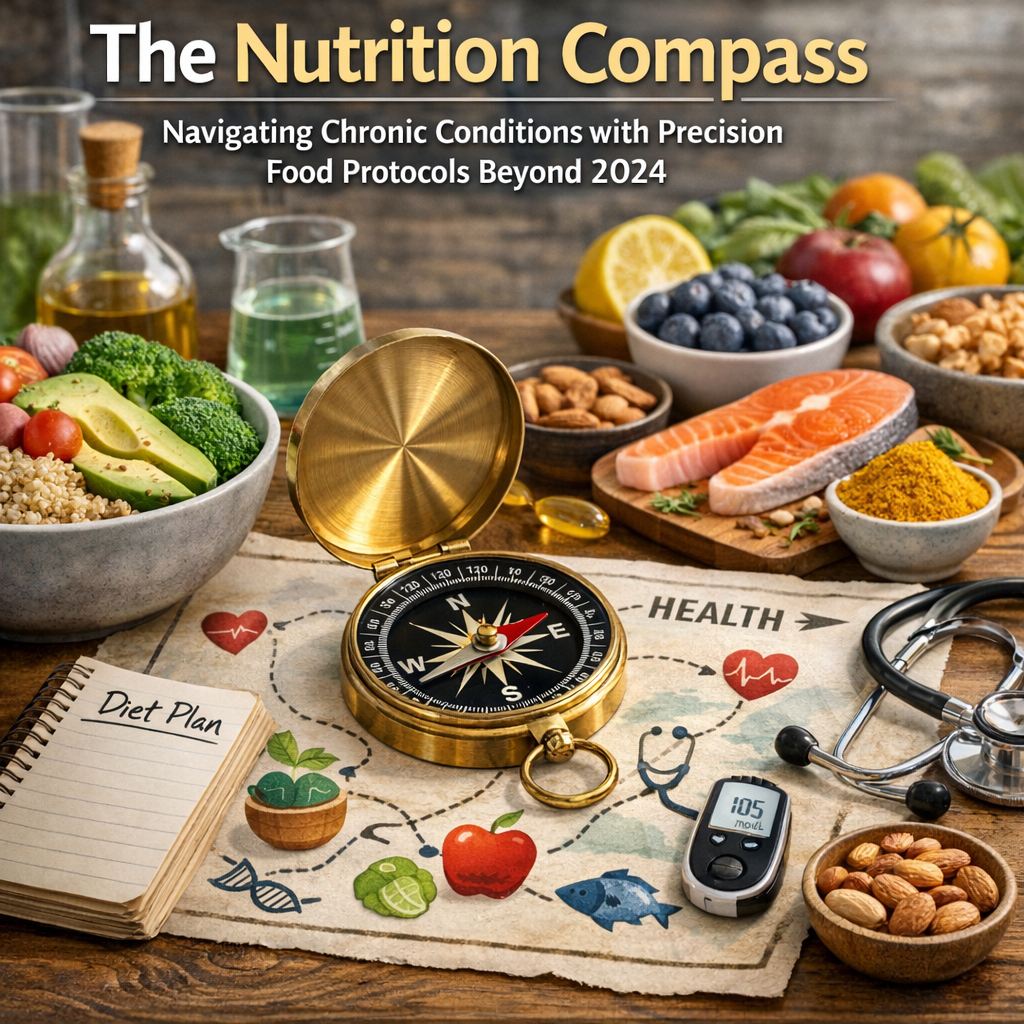
The Nutrition Compass: Navigating Chronic Conditions with Precision Food Protocols Beyond 2024
Introduction
In the complex landscape of healthcare, chronic conditions such as diabetes, cardiovascular disease, and autoimmune disorders present significant challenges. These conditions affect millions globally, imposing burdens on both healthcare systems and individuals. With advancements in technology and scientific discovery, the management of these illnesses is evolving. We are entering an era where precision food protocols, customized to individual needs, are set to revolutionize the management and treatment of chronic illnesses. This article explores how nutritional strategies are being refined to optimally support those navigating chronic health challenges.
Traditional approaches often rely on medication and generalized dietary advice, which may fall short due to the complexity of each patient’s condition. The growing field of nutritional genomics and personalized nutrition offers new insights, emphasizing the impact tailored dietary plans can have on health outcomes.
With technology and data analytics, researchers and healthcare professionals are developing precision food protocols. These protocols consider an individual’s genetic makeup, lifestyle, environment, and microbiome composition to create a personalized nutritional strategy. This enhances dietary habits and integrates with traditional medical treatments to potentially improve efficacy.
As we move beyond 2024, precision food protocols will advance further, driven by data collection, analysis improvements, and a better understanding of nutrition’s role in chronic disease management. Emerging technologies, such as artificial intelligence, machine learning, and nutrigenomics, will refine these strategies. Innovations like customized meal plans based on real-time health data and genetic-profile-specific dietary supplements are practical solutions becoming accessible.
In this article, we examine the current landscape of precision food protocols for chronic conditions and highlight scientific studies and professional insights that support their efficacy. By embracing cutting-edge nutritional strategies, individuals and healthcare providers can pave the way for personalized, effective management of chronic diseases.
Features: Scientific Studies and Professional Insights
A robust body of scientific research highlights the transformative potential of precision food protocols in managing chronic conditions. One study published in [*Nature Genetics*](https://www.nature.com/articles/ng.3450) emphasizes the role of nutrigenomics in exploring the relationship between nutrition and an individual’s genetic makeup. This study found that personalized dietary recommendations based on genetic analysis significantly improved metabolic health markers in individuals with obesity and type 2 diabetes.
Further supporting the efficacy of tailored nutritional strategies, a research project conducted by the [American Journal of Clinical Nutrition](https://academic.oup.com/ajcn) examined personalized dietary interventions’ impact on cardiovascular health. The study demonstrated that individuals following a diet designed specifically for their genetic and metabolic profiles experienced a 20% greater reduction in LDL cholesterol than those on standard diets.
Moreover, advancements in understanding the human microbiome have highlighted its role in managing chronic conditions. A study published in [*Cell*](https://www.cell.com) indicates that personalized nutrition can alter the microbiome composition, affecting overall health outcomes.
Additionally, organizations like the [Academy of Nutrition and Dietetics](https://www.eatrightpro.org) advocate integrating personalized dietary strategies into standard care practices for chronic conditions, underscoring the need for individualized nutritional interventions.
These studies and insights illustrate the profound potential of precision food protocols to transform chronic condition management. By leveraging cutting-edge research and technology, personalized nutrition offers a promising path toward improved health outcomes and quality of life for individuals with chronic diseases.
Conclusion
As we navigate beyond 2024, precision food protocols offer hope for individuals managing chronic conditions. By integrating genetic insights, advanced data analytics, and personalized dietary strategies, we are poised to revolutionize healthcare, making it more effective, personalized, and responsive. The convergence of technology and nutrition science is not just aspirational but a tangible reality reshaping chronic disease management.
The future of precision nutrition is built on collaboration between researchers, healthcare professionals, and technology developers. Together, they create a new paradigm for chronic disease management with personalized, optimized nutrition plans supporting each individual’s unique needs. Embracing this frontier makes improved health outcomes and enhanced quality of life increasingly attainable, guiding us toward a future where nutrition is central to holistic chronic disease care.
Concise Summary:
Precision food protocols are revolutionizing chronic disease management by tailoring diets based on genetic, lifestyle, and environmental factors. As we advance beyond 2024, these personalized approaches, supported by technologies like AI and nutrigenomics, enhance treatment efficacy and improve health outcomes. Key studies highlight their effectiveness in conditions like diabetes and cardiovascular disease. By embracing this frontier, healthcare becomes more effective and individualized, leading to better quality of life for those with chronic conditions.
Note: The summaries and explanations provided in this document should be cross-referenced with original sources and verified for accuracy based on the latest research and guidelines.

Dominic E. is a passionate filmmaker navigating the exciting intersection of art and science. By day, he delves into the complexities of the human body as a full-time medical writer, meticulously translating intricate medical concepts into accessible and engaging narratives. By night, he explores the boundless realm of cinematic storytelling, crafting narratives that evoke emotion and challenge perspectives.
Film Student and Full-time Medical Writer for ContentVendor.com