Beyond Macros: Reimagining Food Ratios for Personalized Metabolic Health
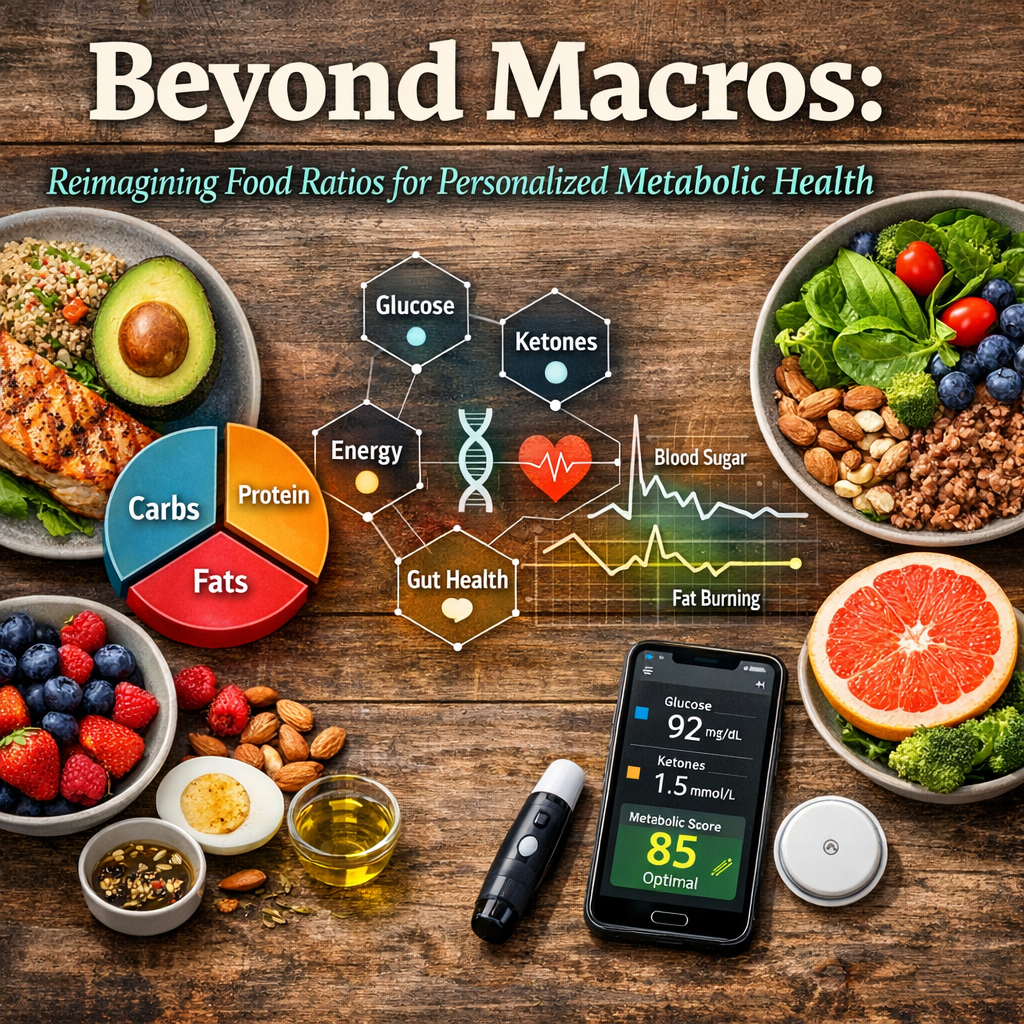
In the world of nutrition, the concept of macronutrients—carbohydrates, proteins, and fats—has long been a fundamental guiding principle in diet planning and health optimization. Athletes, bodybuilders, and health enthusiasts alike have analyzed and manipulated their macronutrient intake to achieve desired outcomes such as weight loss, muscle gain, or improved athletic performance. The traditional approach often emphasizes a standardized ratio of these macronutrients to suit particular fitness goals. However, a growing body of research suggests that a one-size-fits-all approach may not cater sufficiently to individual metabolic needs. This is where personalized food ratios come into play, offering new possibilities for health and well-being.
Understanding that human metabolism is a highly individualized process highlights the necessity for going beyond the conventional macro ratios. Various factors, including age, gender, genetic makeup, lifestyle, and even gut microbiome composition, can significantly influence how our bodies metabolize food. Personalized nutrition takes these diverse factors into account, proposing that the best approach to diet and nutrition is one that is tailored to meet individual needs.
Recent advances in genetic research, coupled with greater insights into the microbiome, have fed into this emerging focus on personalized nutrition. By understanding the unique genetic expression and gut bacterial profiles of individuals, it becomes possible to identify specific macronutrient ratios that optimize metabolic processes, support efficient energy use, and enhance overall health outcomes.
Personalized food ratios, therefore, present a groundbreaking opportunity for those looking to harness the full potential of natural and herbal treatments for metabolic health. By specifically adapting dietary plans to an individual’s unique biological makeup, it becomes possible to address personal health challenges in a more targeted manner, from managing chronic conditions such as diabetes and cardiovascular issues to optimizing general health and vitality. As we delve deeper into the world of personalized nutrition, it will be essential to bring together insights from genetic research, metabolic science, and holistic health practices to truly transform our understanding of diet and health in a meaningful way.
Features: Studies on Personalized Metabolic Health
Understanding the best macronutrient balance for an individual involves considering multiple dimensions of health and nutrition. Recent professional and scientific studies have shed light on how personalized approaches can significantly impact metabolic health. For instance, a study published in the journal *Cell* illustrated the potential of personalized diets by assessing how dietary composition affects postprandial (after-eating) glucose levels in humans. The study highlighted how variable individual responses to the same foods can be and suggested that tailoring dietary intake holds promise for improved metabolic control and disease prevention.
Another impactful study conducted by the Personalized Nutrition Project in Israel provided insights into how personalized meal plans can be crafted by considering an individual’s microbiome makeup. This research noted significant variability in blood sugar levels among participants consuming identical meals, reinforcing the idea that personal microbiome and metabolic profiles play a crucial role in dietary response [source](https://www.nature.com). This study underscored the potential for using gut microbiome data to tailor diets to improve metabolic outcomes.
These findings have broad implications for using nutrition as a tool for disease prevention and health optimization. Personalized nutrition plans based on genetic and microbiome data could anticipate how certain foods are likely to impact an individual’s metabolism, making it possible to adjust macronutrient ratios to support personal health objectives. This represents a significant shift from focused quantities of macronutrients towards a more nuanced approach that recognizes individual variability in digestive processes and metabolic efficiency.
Moreover, research by the IDN Institute for Personalized Medicine suggests that personalized nutrition can be effective in managing and potentially reversing metabolic disorders. By tailoring macronutrient intake to individuals’ unique biomarkers and genetic predispositions, personalized dietary interventions may lead to improved outcomes for metabolic conditions, such as type 2 diabetes and metabolic syndrome [source](https://www.ncbi.nlm.nih.gov).
Conclusion
Reimagining food ratios for personalized metabolic health reflects a new frontier in nutrition science, driven by the desire to optimize individual health outcomes through targeted dietary interventions. As traditional macro counting gives way to science-backed personalized nutrition, individuals are empowered to achieve metabolic health that aligns with their unique genetic makeup and lifestyle. The implications of personalized food ratios extend far beyond weight management; they offer a comprehensive strategy for disease prevention and overall health enhancement. As more insights emerge from ongoing research, it is increasingly clear that the future of nutrition is personalized, paving the way for integrative approaches that leverage genetic, microbiome, and lifestyle data for health optimization. Personalization is not just a trend but a testament to the complexity and variability of human metabolism, calling for nuanced nutritional strategies that recognize and harness these individual differences.
Concise Summary:
The article discusses how personalized nutrition is evolving beyond standard macronutrient ratios to optimize individual metabolic health. It highlights that personalized dietary plans take into account factors like age, gender, genetics, lifestyle, and microbiome composition. Recent studies suggest tailored nutrition offers more effective disease prevention and health optimization by aligning dietary intake with unique metabolic needs. This approach shifts focus from general macronutrient quantities to detailed individual dietary adjustments. Insights from ongoing research continue to underline the potential of personalized nutrition in enhancing overall health and managing metabolic disorders such as type 2 diabetes and metabolic syndrome.

Dominic E. is a passionate filmmaker navigating the exciting intersection of art and science. By day, he delves into the complexities of the human body as a full-time medical writer, meticulously translating intricate medical concepts into accessible and engaging narratives. By night, he explores the boundless realm of cinematic storytelling, crafting narratives that evoke emotion and challenge perspectives.
Film Student and Full-time Medical Writer for ContentVendor.com