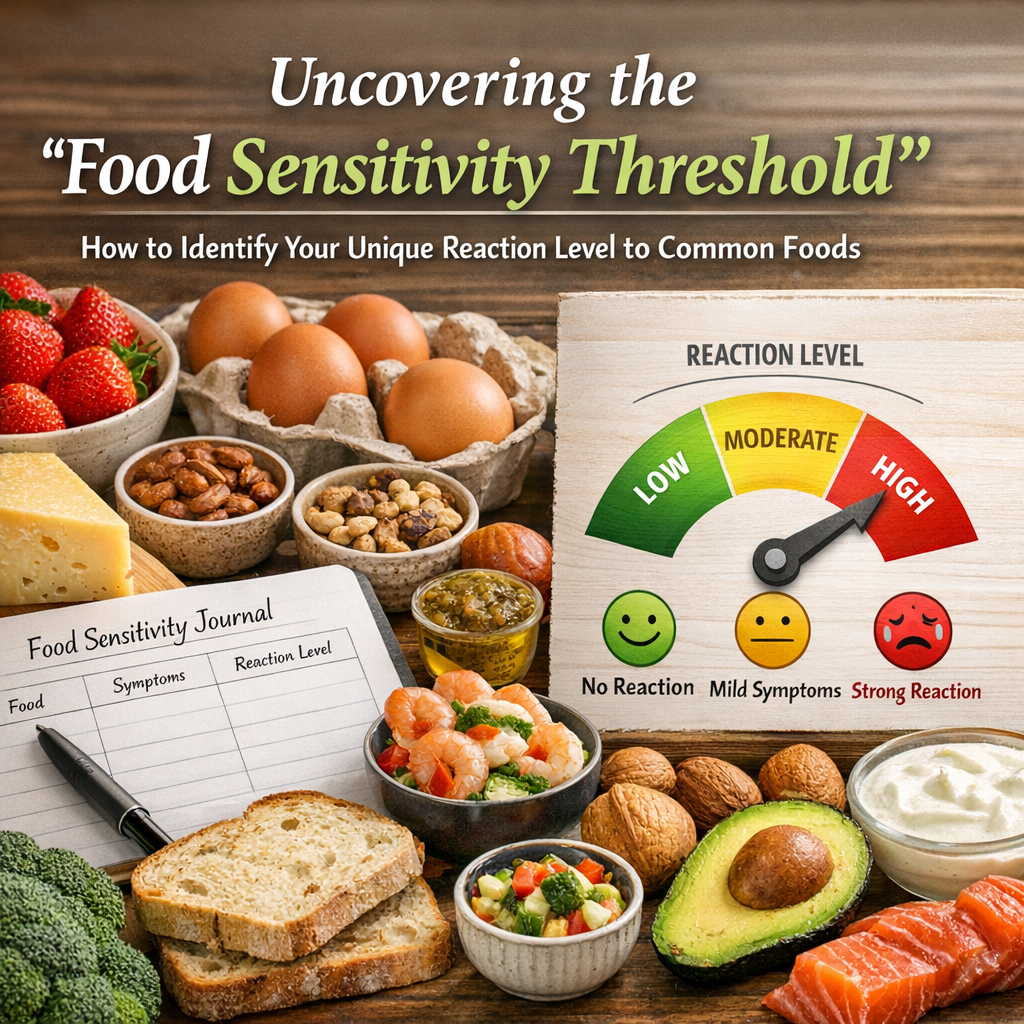
Uncovering the ‘Food Sensitivity Threshold’: How to Identify Your Unique Reaction Level to Common Foods
Introduction
In today’s fast-paced world, where convenience often takes precedence over dietary diligence, an increasing number of individuals are discovering that certain foods they consume regularly might be the root cause of their frequent discomfort. This phenomenon, known as food sensitivity, affects a considerable portion of the population, often showing up as subtle symptoms that are easily dismissed or misdiagnosed. Unlike food allergies, which evoke immediate and sometimes severe reactions, food sensitivities can manifest hours or even days later, complicating the identification of the culprit.
The ’Food Sensitivity Threshold’ is a concept that is gaining traction among nutritionists and holistic health professionals. It refers to the specific amount or frequency of a food that, when consumed, triggers a sensitivity response unique to each individual. Identifying this threshold is pivotal for anyone experiencing unexplained symptoms—such as bloating, headaches, skin issues, or digestive disturbances—that could be linked to their diet.
In the age of information, where conflicting dietary advice abounds, understanding one’s food sensitivity threshold empowers individuals to make informed decisions about their consumption patterns. This customized approach prioritizes personal health and aligns with the principles of homeopathic and herbal treatments, where holistic well-being recognizes the interconnectedness of diet, body, and environment. By decoding our body’s responses to certain foods, we can unlock the potential to not only alleviate symptoms but also improve overall health, mood, and vitality.
The journey to uncovering your food sensitivity threshold involves a combination of intuitive awareness and scientific methodology. It encourages a mindful approach to eating, where listening to your body’s signals becomes the guiding framework for dietary adjustments. By understanding the nuances of food sensitivities and addressing them effectively, individuals can embark on a path to enhanced wellness, free from the limitations imposed by unidentified dietary triggers.
Features
Research in the field of food sensitivities has become increasingly robust, shedding light on the complexities of how our bodies interact with various food components. A 2021 study published in the [*Journal of Nutrition*](https://academic.oup.com/jn) explored the prevalence and characteristics of food sensitivities in adults, highlighting the significance of individual variability in sensitivity levels and the various factors that influence these thresholds. This study underscored the importance of personalized nutrition strategies and the potential for dietary adjustments to improve quality of life.
Another groundbreaking study, featured in the [*Journal of Applied Physiology*](https://journals.physiology.org/journal/japplphysiol), examined the biological mechanisms behind food sensitivities. It revealed that these reactions often involve different immune pathways compared to allergies. While allergies engage the Immunoglobulin E (IgE) antibodies, food sensitivities can involve other immune components, making them more complex to diagnose but also more nuanced in their treatment protocols.
To uncover one’s personal food sensitivity threshold, implementing an elimination diet is often recommended. This involves removing potential trigger foods from the diet for a period and then gradually reintroducing them while monitoring the body’s reactions. Clinical nutritionists and dietitians often assist in this process, utilizing food diaries and symptoms tracking to identify problematic foods. Advanced tests, such as the MRT (Mediator Release Test) or IgG food sensitivity tests, can also provide valuable insights, though they should be utilized in conjunction with professional guidance to ensure accuracy and relevance to the individual’s unique circumstances.
The emerging field of nutrigenomics is also making strides in understanding food sensitivities, suggesting that our genetic makeup can influence how we respond to certain foods. Studies in this domain have shown promise in tailoring diets to genetic profiles, thereby optimizing health outcomes and providing a deeper understanding of individual dietary needs [source](https://genome.cshlp.org).
Conclusion
As awareness grows around the intricacies of food sensitivities, so too does the potential for individuals to take control of their dietary health. The concept of a ‘Food Sensitivity Threshold’ offers a personalized window into understanding how specific foods affect well-being, facilitating targeted and effective dietary adjustments. By combining contemporary scientific research with traditional holistic practices, those grappling with unexplained symptoms can discover a clearer path to health and vitality.
Navigating food sensitivities requires diligence and a willingness to listen to your body’s signals. As science continues to unravel the mysteries of dietary interactions, individuals are equipped with more tools to achieve diet-driven health. Embracing this comprehensive approach ensures that our daily food choices not only fuel our bodies but align with our unique biological needs, leading to a more harmonious and healthful living experience.
Concise Summary
The ’Food Sensitivity Threshold’ is a concept that helps individuals identify the specific amount of certain foods that trigger unique sensitivity reactions. Unlike allergies, food sensitivities involve more complex immune responses and manifest as subtle symptoms, making them harder to identify. Research emphasizes personalized nutrition, highlighting elimination diets and advanced tests as key methods in determining these thresholds. The field of nutrigenomics offers promising insights into genetic influences on food responses. Understanding and addressing food sensitivities lead to improved health and well-being, empowering individuals to make informed dietary choices for a more harmonious living experience.

Dominic E. is a passionate filmmaker navigating the exciting intersection of art and science. By day, he delves into the complexities of the human body as a full-time medical writer, meticulously translating intricate medical concepts into accessible and engaging narratives. By night, he explores the boundless realm of cinematic storytelling, crafting narratives that evoke emotion and challenge perspectives.
Film Student and Full-time Medical Writer for ContentVendor.com