Unlocking the Potential of Personalized Nutrigenomics: Tailor Your Diet to Your DNA for Optimal Health Outcomes
Introduction
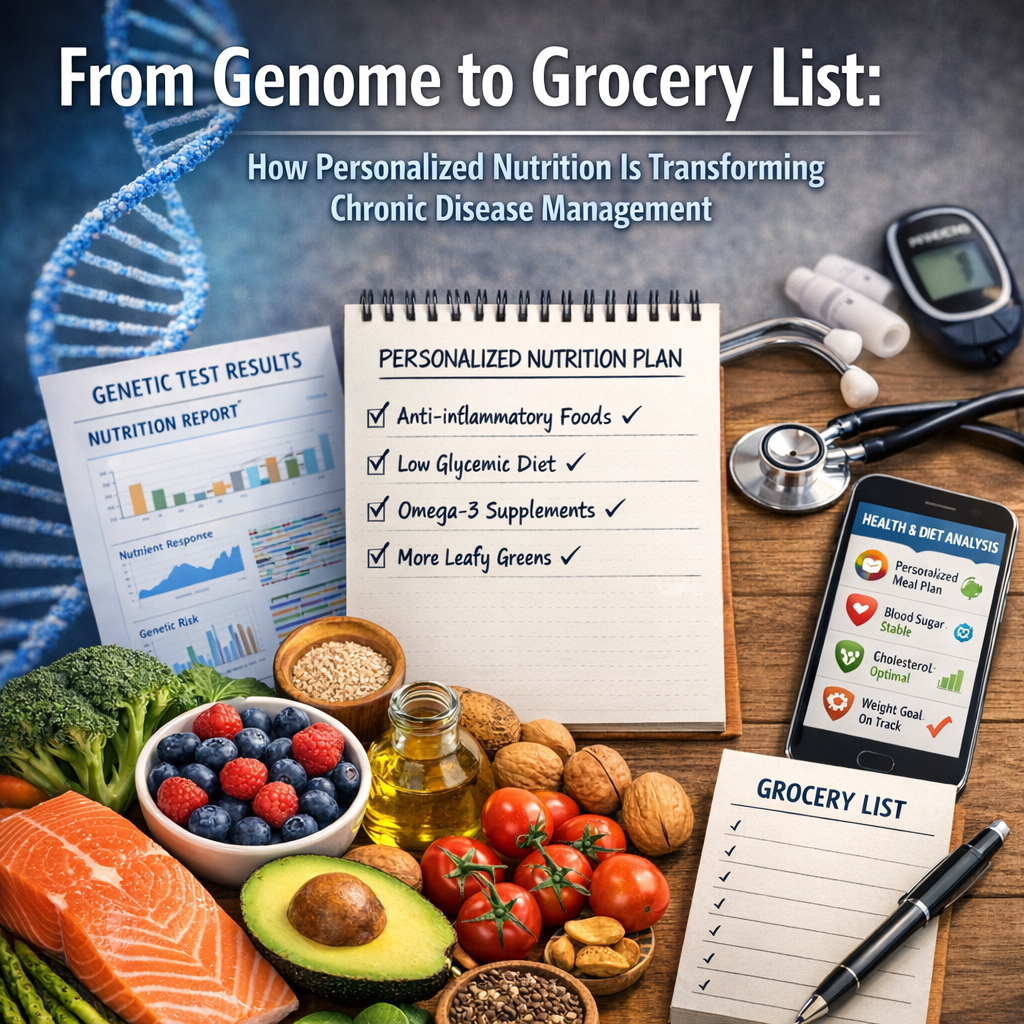
Over the last decade, the quest for optimal health has shifted significantly from generic nutritional guidelines to more personalized approaches. This pivot is predominantly fueled by advancements in understanding human genetics and its intricate relationship with nutrition—a field known as nutrigenomics. Nutrigenomics asserts that our genes interact with the foods we eat to influence our individual health outcomes. Therefore, tailoring diets based on genetic makeup offers a promising frontier for achieving optimal health.
In a world where personalization is key, the allure of customizing dietary recommendations based on one’s DNA is undeniable. The way our bodies process nutrients varies quite dramatically due to genetic variations. Imagine two individuals consuming the same balanced meal: while one may thrive, the other could experience adverse effects or fail to derive the same benefits. This is where nutrigenomics becomes significant. It delves into how variations in our DNA may affect our nutritional needs, sensitivities, and predispositions to certain health conditions.
The possibilities are vast. Discovering your propensity for efficient nutrient absorption, your response to specific dietary components like fat and carbohydrates, or even sensitivities to caffeine or lactose can transform your approach to health and wellness. With a better understanding of your genetic blueprint, you can make informed decisions about the foods that harmonize best with your unique body chemistry. Personalized nutrigenomic plans aim to reduce the risks of diet-related diseases, optimize dietary intake, and ultimately enhance quality of life.
Despite its potential, the integration of nutrigenomics into everyday dietary habits is still in its nascent stages. It involves the synthesis of genomics, nutrition, and data science, creating a sophisticated approach to health improvement. Yet, as scientific understanding and technologies advance, there is optimism for wider accessibility and application of this personalized approach to nutrition. By unlocking the secrets coded in our DNA, we stand at the brink of a revolution in how we understand diet and health. Welcome to the future of nutrition—a journey through personalized nutrigenomics.
Features
The advent of personalized nutrigenomics has been supported by an array of scientific studies, which explore the compelling link between our genes and our dietary responses. The Human Genome Project, completed in the early 2000s, was instrumental in laying the groundwork for this field by mapping out the entire sequence of human DNA. This monumental project opened up new pathways for research, leading to important discoveries about how genetic variations influence individual health outcomes in response to dietary intake.
One pivotal study published in the [“American Journal of Clinical Nutrition”](https://academic.oup.com/ajcn/article/101/3/355/4564588) highlighted that individuals have varying responses to dietary fats depending on their genotype. This study exemplifies how nutrigenomics can help tailor dietary recommendations. Participants with certain genetic variants known as FTO were found to experience unfavorable lipid profiles when consuming high-fat diets, while others with different genetic variants did not have similar outcomes. Such insights underscore the importance of personalized diet planning to mitigate health risks based on genetic predisposition.
Further studies have delved into how our genetic makeup affects dietary supplement efficacy. For instance, research published in [“Nature Communications”](https://www.nature.com/articles/s41467-018-05210-w) revealed that genetic differences can influence vitamin D metabolism, leading to varying levels of this essential nutrient in the bloodstream even when supplementing with recommended doses. This suggests that a one-size-fits-all approach to supplementation may not be optimal for everyone, highlighting the potential for personalized strategies based on genetic insights.
Moreover, nutrigenomics is not limited to macronutrients and vitamins alone. Studies have also explored its application in uncovering allergies and intolerances. Research from the [“Journal of Allergy and Clinical Immunology”](https://www.jacionline.org/article/S0091-6749(17)31918-0/fulltext) has demonstrated genetic links to lactose intolerance, celiac disease, and other food sensitivities. These findings empower individuals with the knowledge needed to avoid or manage dietary triggers effectively.
As the field continues to expand, the cost of genetic testing and analysis is decreasing, making personalized nutrigenomics more accessible. The convergence of technology and nutritional science through professional platforms and services is bringing the promise of nutrigenomics closer to the general public.
Conclusion
Personalized nutrigenomics presents an exciting frontier in optimizing health outcomes by aligning dietary choices with genetic predispositions. Despite being in its early stages, this approach promises a shift from the broad dietary recommendations typical of the past to a more nuanced understanding of individual needs. The benefits can be transformative, reducing the risk of diet-related diseases, enhancing nutrient absorption, and optimizing overall well-being.
As the science of nutrigenomics matures, it will likely offer more personalized and precise dietary interventions that are tailored to individual needs. However, it’s crucial to approach this field with scientifically-backed information and consult healthcare professionals for guidance. Navigating through the complexities of genes and nutrition requires a balanced integration of knowledge and practical application. As we stand on the brink of this new era in nutrition science, embracing a personalized approach to diet and health could redefine how we achieve wellness for generations to come.
References
1. [American Journal of Clinical Nutrition: Nutrigenomics and dietary fat](https://academic.oup.com/ajcn/article/101/3/355/4564588)
2. [Nature Communications: Vitamin D metabolism study](https://www.nature.com/articles/s41467-018-05210-w)
3. [Journal of Allergy and Clinical Immunology: Genetic links to food intolerances](https://www.jacionline.org/article/S0091-6749(17)31918-0/fulltext)
4. [Human Genome Project: Genomics and nutrition](https://www.genome.gov/human-genome-project)
Concise Summary
Personalized nutrigenomics bridges human genetics with nutrition to tailor diets for optimal health outcomes. This approach examines how genetic variations influence nutrient absorption, dietary sensitivities, and disease predispositions, allowing individuals to make informed dietary choices. Studies show that genes affect reactions to dietary fats, supplements, and intolerances. As DNA mapping technology becomes more affordable and accessible, nutrigenomics advances promise a future where diets are customized to individual genetic profiles, enhancing well-being and reducing disease risk. This emergent science signals a promising shift from broad dietary guidelines to tailored, precise nutritional strategies.

Dominic E. is a passionate filmmaker navigating the exciting intersection of art and science. By day, he delves into the complexities of the human body as a full-time medical writer, meticulously translating intricate medical concepts into accessible and engaging narratives. By night, he explores the boundless realm of cinematic storytelling, crafting narratives that evoke emotion and challenge perspectives.
Film Student and Full-time Medical Writer for ContentVendor.com