The Gut-Blood Barrier: How Nutrition Shapes Immune System Resilience
Introduction
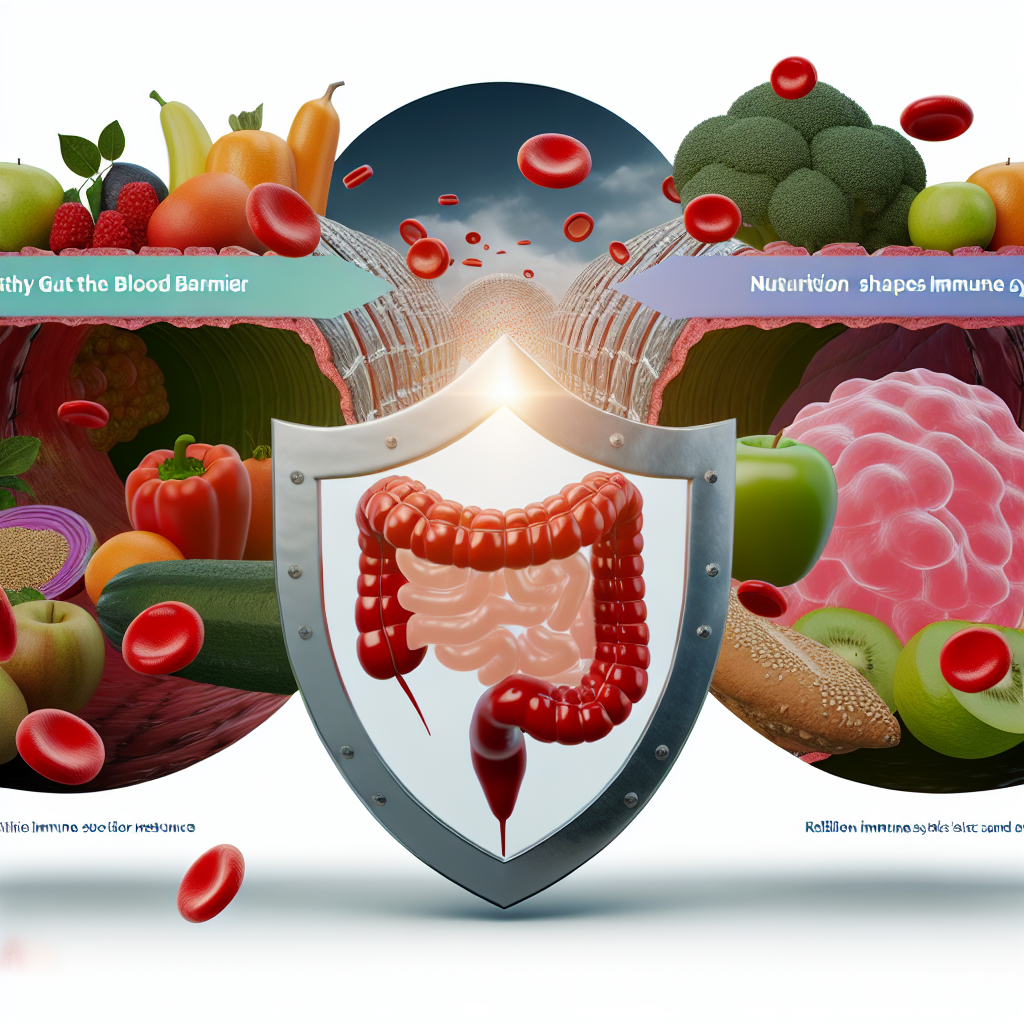
In recent years, the intersection of nutrition and immunology has garnered significant interest. One area gaining traction is the gut-blood barrier and its role in shaping immune system resilience. This barrier functions as a selective wall, allowing only essential nutrients to pass into the bloodstream while keeping harmful substances out. Comprised of epithelial cells, it acts as an intelligent filter, crucial for maintaining health and immunity.
Our understanding of the immune system’s interaction with dietary intake has deepened, revealing how these elements nourish more than just our bodies. The modern diet, often high in processed foods and low in fiber, disrupts the balance of gut microbiota—affecting not only digestion but overall immunity. Conversely, diets rich in whole foods, prebiotics, and probiotics offer significant benefits, enhancing immune defenses by nurturing beneficial gut bacteria and fortifying the gut-blood barrier.
This delicate system is regulated by numerous factors. Nutritional gaps caused by poor dietary choices can weaken the barrier and disrupt immune function. The gut’s bacterial environment influences the production of short-chain fatty acids, essential for immune cell development. Furthermore, an inflamed gut can lead to ‘leaky gut’ syndrome, where unwanted proteins enter the bloodstream, triggering immune responses that may result in systemic inflammation.
Understanding the nuances of this relationship can pave the way for innovative approaches in preventive healthcare. Homeopathic and herbal solutions, often derived from traditional practices, can play a fundamental role when strategically integrated into one’s diet. Through a nutritional lens, improving gut health can be a powerful ally in bolstering immune resilience—a key consideration for those seeking natural, holistic avenues to fortify their health.
Features
There is a growing body of research on the connection between nutrition, gut health, and immune resilience. [A groundbreaking study](https://www.ncbi.nlm.nih.gov/pmc/articles/PMC5867543/) in Nature Reviews Immunology explores how gut microbiota can train the immune system. It posits that intestinal bacteria play a crucial role in the development and maturation of immune cells. Bacterial metabolites like short-chain fatty acids (butyrate, propionate, acetate) significantly influence immune responses, ensuring optimal functioning of the gut-blood barrier.
Parallel studies from the [Journal of Clinical Gastroenterology](https://journals.lww.com/jcge/fulltext/2014/05000/nutritional_influences_on_the_gut_microbiome_.8.aspx) have shown that dietary fibers possess prebiotic properties, providing a food source for beneficial gut bacteria. Their fermentative activity supports the integrity of gut epithelial cells and contributes to the synthesis of regulatory T-cells—critical elements in maintaining immune homeostasis.
Furthermore, research from the [Journal of Allergy and Clinical Immunology](https://www.jacionline.org/article/S0091-6749(18)30785-1/fulltext) indicates that polyphenols in fruits and vegetables can further fortify the gut-blood barrier. These antioxidants modulate inflammatory pathways and promote the production of essential proteins that bind epithelial cells, preventing pathogens and toxins from entering the bloodstream.
Nutritional strategies involving specific herbs and natural remedies, such as turmeric, ginger, and licorice root, have shown efficacy in reducing gut inflammation and enhancing gut barrier function. These botanicals contain anti-inflammatory compounds and phytochemicals that soothe the lining of the digestive tract, inhibit the growth of harmful bacteria, and promote beneficial microbes.
Conclusion
In essence, the relationship between nutrition and immune system resilience is deeply interwoven with the health of the gut-blood barrier. A disruption in this barrier can compromise immunity and increase disease vulnerability. Fostering a robust gut ecosystem through balanced nutrition and strategic use of homeopathic treatments can profoundly influence overall immunity.
Herbal treatments and natural cures, combined with modern nutrition science, offer promising benefits for maintaining this delicate balance. By prioritizing whole foods, increasing fiber intake, and incorporating specific herbal remedies, individuals can help sustain and enhance their gut health. Embracing these natural strategies holds the potential to fortify physical defenses and enrich overall wellness and longevity.
Ultimately, understanding and nurturing the gut-blood barrier can be a lifelong asset on the journey to health. Ongoing research continues to illuminate new paths toward resilience and vitality for those employing natural remedies.
Concise Summary
The article explores the critical role of the gut-blood barrier in immune system resilience. This barrier functions as a selective filter, maintaining health by regulating nutrient and toxin entry into the bloodstream. The modern diet, often high in processed foods, can disrupt gut microbiota and weaken immune defenses. However, diets rich in whole foods, prebiotics, and probiotics can bolster this barrier, enhancing overall immunity. Homeopathic and herbal solutions, when strategically integrated, offer additional benefits by reducing gut inflammation and promoting beneficial microbes. Understanding and nurturing this barrier can improve health, offering natural paths to resilience.

Dominic E. is a passionate filmmaker navigating the exciting intersection of art and science. By day, he delves into the complexities of the human body as a full-time medical writer, meticulously translating intricate medical concepts into accessible and engaging narratives. By night, he explores the boundless realm of cinematic storytelling, crafting narratives that evoke emotion and challenge perspectives.
Film Student and Full-time Medical Writer for ContentVendor.com