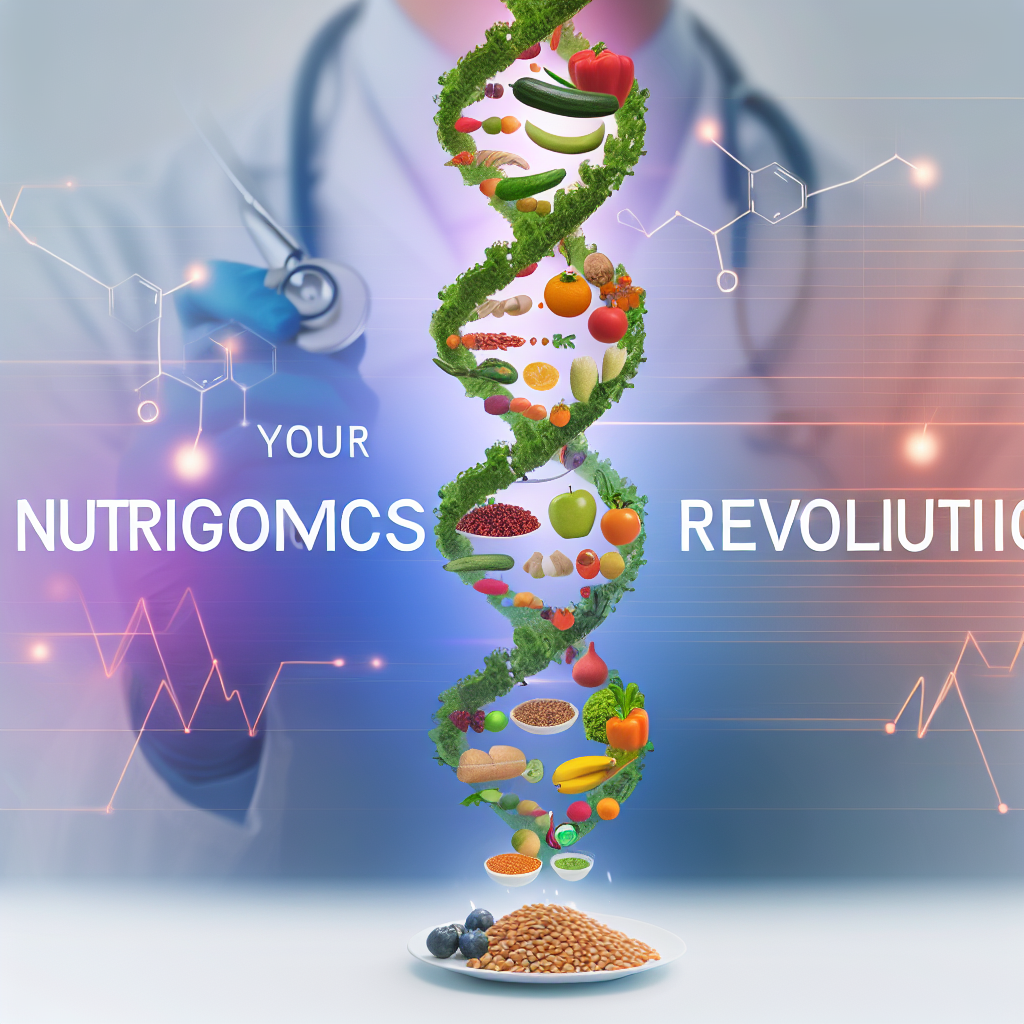
The Nutrigenomics Revolution: How Your DNA Can Unveil Personalized Food-as-Medicine Protocols
Introduction
Understanding the intricate relationship between nutrition and our genetic makeup is at the forefront of a groundbreaking scientific field known as nutrigenomics. This burgeoning discipline examines how our genes interact with the food we consume, providing insights into tailoring individual dietary plans for optimal health. With the advent of personalized medicine, nutrigenomics heralds a revolutionary approach to nutrition, shifting from the traditional one-size-fits-all dietary guidelines to highly individualized protocols based on one’s genetic blueprint.
This personalized method of nutrition recognizes that while spinach may lower inflammation in one person, it might not have the same effect in another. Such variability hinges on gene-diet interactions that inform how nutrients metabolize differently in each individual. By marrying insights from genomics with nutrition, we get a detailed map to guide our dietary choices, potentially preventing chronic diseases linked to lifestyle and enhancing overall well-being.
Imagine a future where you visit your healthcare provider not just for advice on balanced eating but for a custom dietary plan crafted around your DNA. With nutrigenomics, the power to transform how we approach food and health is no longer just the dream of sci-fi purveyors. This new frontier offers promising applications, from reducing obesity rates to managing autoimmune diseases by crafting food-as-medicine protocols. By understanding your DNA, you can make informed decisions that capitalize positively on an intimate knowledge of your personal genetic makeup, ultimately leading to better health outcomes.
Features
Scientific advancements in nutrigenomics are rapidly proving the concept’s validity and application. A significant study published in the American Journal of Clinical Nutrition examined how specific gene variants impact lipid metabolism, demonstrating how personalized dietary interventions can more effectively help individuals manage their cholesterol levels compared to generalized dietary recommendations.
Moreover, research conducted by the National Institutes of Health showcases the potential of nutrigenomics in reducing the risk of chronic diseases like cardiovascular disease through tailored nutritional protocols. The study emphasized that by understanding genetic predispositions, patients could adopt preventative dietary adjustments that align with their unique metabolic pathways.
The role of nutrigenomics in obesity management is of particular interest. A study featured in Nature Reviews Genetics highlighted that specific genetic markers can indicate an individual’s response to various dietary components, such as fats and carbohydrates. This understanding facilitates the development of personalized diets that are more effective in weight management because they are aligned with one’s genetic predisposition to certain nutrients.
Furthermore, collaboration between nutrigenomics and other disciplines, including epigenetics, is opening doors to comprehension about how lifestyle factors influence gene expression related to health and disease. Such integrative approaches offer holistic management strategies, assigning food a prominent role as a preventive and therapeutic tool.
The evolution of genomic technologies, particularly in sequencing, has made nutrigenomics more accessible, cost-effective, and integrated within conventional healthcare systems. With ongoing research and development, the prospect of personalized nutrition being the standard practice is not far-fetched, signaling a paradigm shift in how we perceive food not merely as sustenance but as medicine.
Conclusion
As we stand on the cusp of personalized nutrition, the field of nutrigenomics promises to redefine our understanding of health and wellness. By leveraging the power of DNA to dictate dietary choices, individuals can adopt lifestyle changes that are inherently attuned to their genetic fabric. This transformation allows for mitigating disease risk, enhancing longevity, and fostering optimal health without a universal template. Emphasizing the personalized nature of nutrition acknowledges the complex and dynamic interplay between our unique genetic codes and dietary substances.
While further research is needed to unravel the full potential of nutrigenomics, the current findings underscore its transformative impact. The journey towards realizing these personalized food-as-medicine protocols lies not only in scientific exploration but also in general acceptance, regulatory support, and integration into mainstream dietary practices. As nutrigenomics continues to evolve, it holds the promise of added clarity on the role of nutrition in disease prevention and health optimization, encouraging a future where information within our DNA leads to truly individualized health pathways.
Concise Summary
Nutrigenomics, a field exploring the link between nutrition and genetics, paves the way for personalized dietary plans based on genetic profiles. These custom protocols promise enhanced health outcomes by addressing individual variability in gene-diet interactions, offering potential solutions for managing conditions like obesity and cardiovascular diseases. As sequencing technologies advance, nutrigenomics becomes increasingly accessible, promising a future where food acts as a tailored medicine rather than mere sustenance. Ongoing research and interdisciplinary collaboration, especially with epigenetics, further solidify its role in health optimization and disease prevention.

Dominic E. is a passionate filmmaker navigating the exciting intersection of art and science. By day, he delves into the complexities of the human body as a full-time medical writer, meticulously translating intricate medical concepts into accessible and engaging narratives. By night, he explores the boundless realm of cinematic storytelling, crafting narratives that evoke emotion and challenge perspectives.
Film Student and Full-time Medical Writer for ContentVendor.com