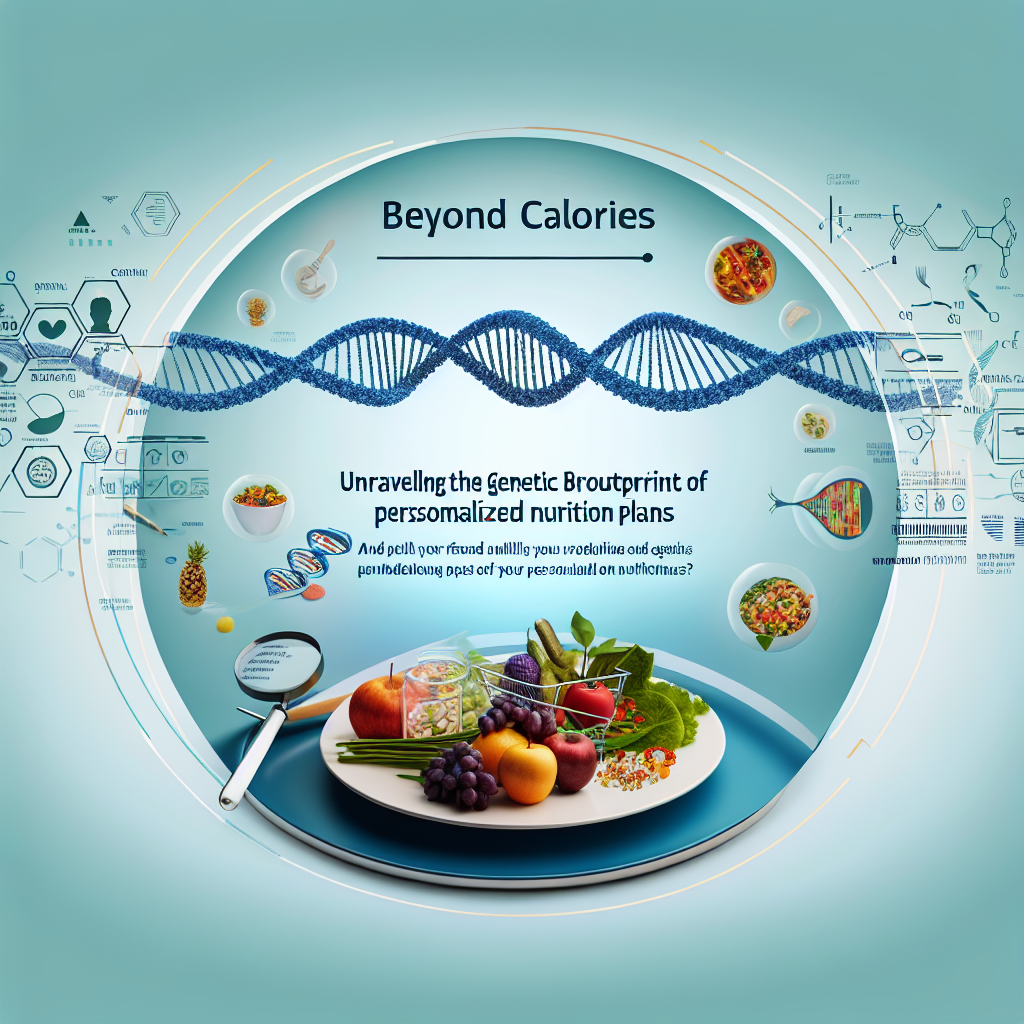
Beyond Calories: Unraveling the Genetic Blueprint of Personalized Nutrition Plans
*Introduction*
In the quest for optimal health and wellness, the concept of personalized nutrition has emerged as a revolutionary approach, going far beyond traditional, calorie-centric diets. Genetic research now opens the door to customized nutrition plans that consider the individual’s unique genetic makeup. Personalized nutrition is rooted in the premise that our genes, dictating thousands of functions within our bodies, can significantly influence how our bodies respond to different foods. This burgeoning field isn’t just about losing weight or eating healthier; it focuses on maximizing health potential, preventing diseases, and improving overall life quality.
Historically, nutritional guidelines provided a one-size-fits-all approach, focusing primarily on calorie counting, macronutrient balancing, and the principle that what works for one works for all. However, this homogenized model often fails to consider biological diversity, even within individuals of the same demographic. Considering genetic variations that affect metabolism, nutrient absorption, and taste perception, it’s clear that a more personalized approach could cater to the specific needs of each individual.
The Human Genome Project and subsequent advances in genomics have illuminated how genetic markers can influence dietary needs and preferences. Nutrigenomics, the study of the interaction between nutrition and genes, empowers us to see beyond the surface of caloric input and output. It considers how individual genetic differences impact nutrient metabolism and dietary requirements. For instance, some people might thrive on high-fat diets, while others require carbohydrates for energy efficiency, based on their genetic constitution. Similarly, genetic predispositions can affect how likely we are to develop certain diet-related conditions like diabetes, obesity, or heart disease.
By understanding genetic backgrounds, healthcare professionals and nutritionists can design nutrition plans that are tailor-made, aligning exactly with what our bodies inherently need. This form of nutritional personalization moves beyond calories and food groups, focusing on achieving a harmonious balance that supports the individual’s unique genetic architecture. It’s an approach that’s not just about what you eat, but how your body uses what you eat, making nutrition a highly personalized experience that could spearhead the future of dietary guidelines and health improvement initiatives.
Features
The movement towards personalized nutrition is gaining scientific credibility, underpinned by a growing body of research exploring the genetic basis of diet and health. A seminal study published in the Cell journal in 2015, conducted by researchers at the Weizmann Institute of Science, emphasizes the individuality of blood sugar responses to identical meals among different people. The researchers found that the same foods resulted in vastly different glycemic responses across participants, suggesting that dietary recommendations need to be individualized to optimize metabolic health. This study underscores the need for dietary plans that consider personal physiology and genetic predispositions, rather than standardized dietary charts.
Further evidence comes from research into nutrigenomics, examining how specific genetic variations—such as single nucleotide polymorphisms (SNPs)—affect individual responses to certain nutrients. According to a review in the Annual Review of Nutrition, certain SNPs are associated with nutrient metabolism efficiencies, impacting how vitamins and minerals are absorbed and utilized by the body. For example, variations in the MTHFR gene can affect folate metabolism, influencing cardiovascular health and necessitating personalized dietary recommendations.
Additionally, a comprehensive study published in Nature Genetics explores the interaction between broader genomic data and dietary intake, supporting the hypothesis that personalized diets could better prevent diseases. The study mapped genetic variants to dietary intake patterns, showing that personalized nutritional advice could help manage and prevent chronic diseases. This suggests that future dietary guidelines might not only consider genetic predispositions to certain illnesses but also prescribe preventive dietary strategies grounded in personal genetics.
These studies highlight a transformative shift from generic dietary prescriptions to a more tailored approach that considers an individual’s unique genetic blueprint. It emphasizes the utility of embracing modern genetic insights to fine-tune diets in ways that are most compatible with biological needs, ultimately improving short-term wellness and long-term health outcomes.
*Conclusion*
The potential of personalized nutrition plans based on genetic information is vast, setting a new precedent in dietary science that could outmod traditional nutritional guidelines. This approach propels us towards a future where dietary recommendations can be biologically tailored, facilitating not only better health and wellness but also reduced risk of diet-related diseases. As understanding of genetic influences on nutrition continues to expand, it will progressively empower individuals to optimize their health and well-being in a way that generic programs cannot. Harnessing this potential requires a collaborative effort from the world of science, healthcare, and regulatory bodies to ensure these personalized nutrition strategies are accessible and beneficial to all, paving the way for a healthier future.
*References*
– Segal, E., et al. (2015). [Personalized Nutrition by Prediction of Glycemic Responses. *Cell.*](https://www.cell.com/cell/fulltext/S0092-8674(15)01481-6)
– Kohlmeier, M., et al. (2018). [Nutrigenomics: Strategies to Understand the Role of Nutrition in Health Outcomes. *Annual Review of Nutrition.*](https://www.annualreviews.org/doi/abs/10.1146/annurev-nutr-082117-051208)
– Cornelis, M. C., et al. (2020). [Mendelian randomization studies on genetically defined dietary traits. *Nature Genetics.*](https://www.nature.com/articles/s41588-020-00750-1)
Concise Summary:
Personalized nutrition, leveraging genetic insights, is revolutionizing dietary science by tailoring nutrition plans to individual genetic profiles. Unlike traditional, calorie-centric methods, this approach considers genetic variations impacting metabolism and nutrient absorption, aiming to optimize health and prevent disease. Advances in genomics and studies, like those published in Cell and Nature Genetics, underscore the need for customized dietary plans. As the field grows, it promises better health outcomes by aligning dietary recommendations with unique genetic architectures, potentially surpassing generic guidelines and making personalized nutrition accessible and effective for all.

Dominic E. is a passionate filmmaker navigating the exciting intersection of art and science. By day, he delves into the complexities of the human body as a full-time medical writer, meticulously translating intricate medical concepts into accessible and engaging narratives. By night, he explores the boundless realm of cinematic storytelling, crafting narratives that evoke emotion and challenge perspectives.
Film Student and Full-time Medical Writer for ContentVendor.com