Revolutionizing Chronic Illness Management: The Next Generation of Personalized Nutrition Protocols
In recent years, the management of chronic illnesses has undergone a significant transformation, fueled by advancements in personalized nutrition. Chronic diseases such as diabetes, heart disease, and arthritis have posed substantial challenges for individuals, healthcare systems, and society at large. Traditionally, treatment has relied heavily on a one-size-fits-all model centered around pharmaceutical interventions. However, this approach often overlooks the unique physiological and genetic makeup of each person, which are crucial factors in the effectiveness of treatment protocols.
Personalized nutrition—tailoring diet and nutritional advice to the specific genetic, phenotypic, and medical needs of the individual—has emerged as a powerful tool in managing chronic illnesses. This shift is partly due to growing recognition of the role that nutrition plays in disease prevention and management. For instance, research indicates that certain nutrients can influence the expression of genes related to inflammation, which is a common factor in many chronic diseases.
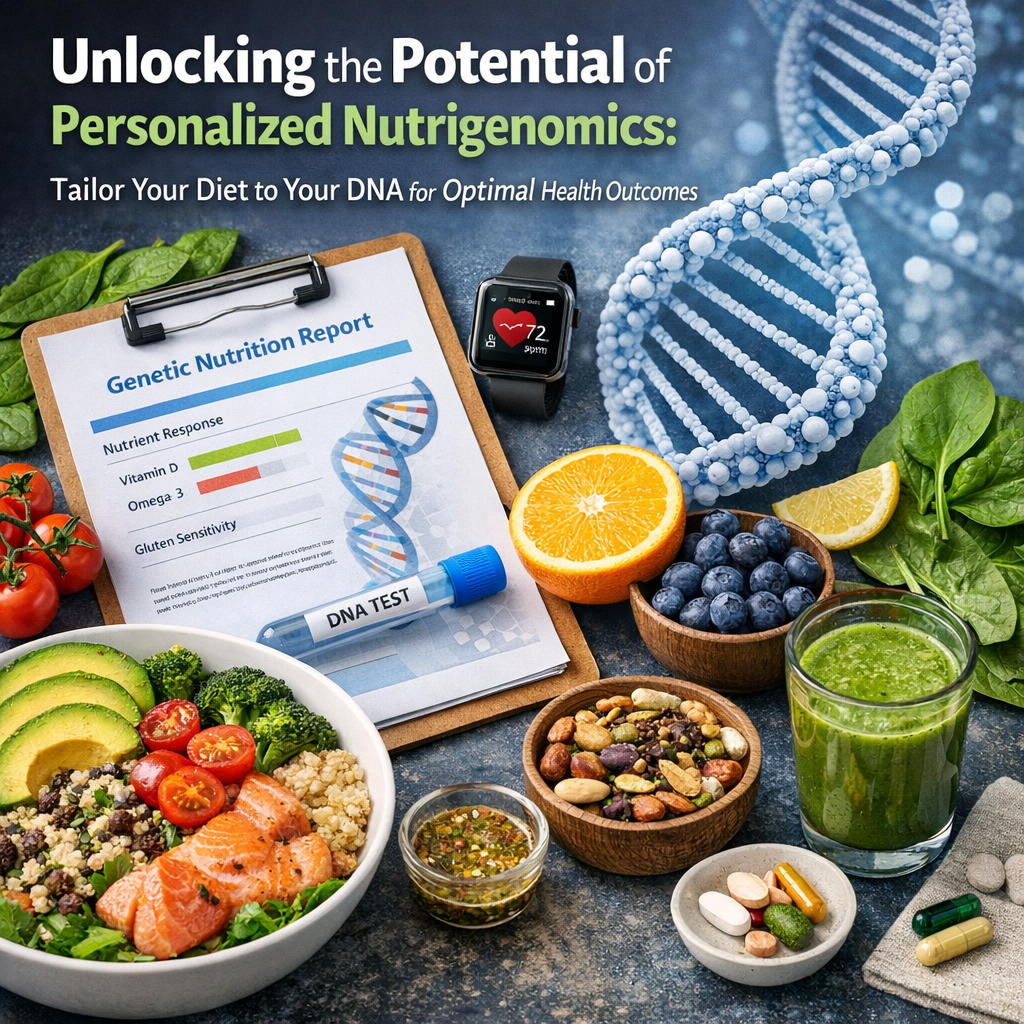
One of the most promising areas within personalized nutrition is nutrigenomics, which explores how our genes interact with nutrients. By understanding these interactions, healthcare providers can create personalized nutrition plans optimized for health outcomes. Imagine a diabetes management plan that factors in not only blood sugar levels but also genetic predispositions to insulin resistance and dietary preferences. This level of personalization enhances adherence and effectiveness, leading to improved long-term management of chronic illnesses.
Furthermore, advancements in technology have made it possible to gather and analyze extensive data on one’s diet, lifestyle, and genomics, making personalized nutrition more accessible than ever. DNA testing kits and mobile apps now provide insights into metabolic rates, potential food sensitivities, and optimal nutrient needs. As these technologies become less costly and more integrated into daily life, we are moving towards an era where chronic illness management is tailored to the individual on an unprecedented scale.
While the shift towards more personalized nutrition protocols is promising, it is not without challenges. Concerns about privacy, data security, and the ethical implications of genetic and lifestyle profiling are significant. The need for extensive professional training to interpret and apply the data accurately is also critical. Nonetheless, the potential for personalized nutrition to revolutionize chronic illness management is immense, making it a field of great interest and significance.
Features: Professional and Medical Studies
Several professional and medical studies underscore the impact of personalized nutrition on chronic illness management. The Precision Nutrition study, funded by the National Institutes of Health ([NIH Precision Nutrition](https://precisionnutrition.nih.gov/)), demonstrates how individualized diets can significantly reduce risk factors associated with heart disease. By creating diet plans tailored to each participant’s genetic profile, researchers observed notable improvements in cholesterol levels and blood pressure. This study highlights the potential of personalized nutrition to mitigate cardiovascular risks—a common challenge in chronic disease management.
Additionally, a notable study published in the Journal of Nutrigenetics and Nutrigenomics ([Journal of Nutrigenetics and Nutrigenomics](https://www.karger.com/Journal/Home/224534)) explored the effects of nutrigenomics on managing type 2 diabetes. Researchers assessed dietary interventions based on genetic predispositions and found that participants following these gene-tailored diets exhibited better glucose regulation and weight management than those on standard diets. This finding is significant for diabetes management, demonstrating the effectiveness of aligning dietary recommendations with genetic insights.
In autoimmune disease management, a study from the University of California, San Francisco ([UCSF Study on Autoimmune Diseases](https://www.ucsf.edu/news/2023/08/183036/personalized-diets-reduce-inflammation)) noted that personalized elimination diets based on individual food sensitivities could lead to a reduction in inflammatory markers in patients with rheumatoid arthritis. This study emphasizes the potential of diet to manage inflammation, a crucial factor in chronic illness management.
These studies collectively suggest that understanding genetic and phenotypic variability can lead to more effective dietary interventions in chronic illness management. They underscore the necessity for continued research to fine-tune these personalized approaches and establish standardized protocols that healthcare professionals can adopt.
Conclusion
The advent of personalized nutrition represents a significant leap forward in chronic illness management. By focusing on individual differences—genetic, metabolic, or lifestyle-related—the next generation of nutrition protocols promises to optimize treatment outcomes and enhance quality of life for individuals with chronic conditions. As we continue to embrace this personalized approach, it’s essential for healthcare professionals, policymakers, and patients to collaborate to ensure these solutions are accessible, safe, and effective. The path to individualized treatment plans is paved with potential, and the journey requires meticulous navigation of data, technology, and ethics. Personalization in nutrition is more than a trend; it’s the future of managing chronic illness effectively. For those affected, it provides hope and a tailored pathway to better health outcomes. As our understanding deepens, we inch closer to a healthcare paradigm where chronic disease is not just managed but meticulously engineered to the individual, heralding a new era of precision in health and wellness.
Concise Summary:
Advancements in personalized nutrition are transforming chronic illness management by tailoring diet and nutritional advice to individual genetic, phenotypic, and medical needs. This approach considers personal factors in treatment effectiveness, especially through fields like nutrigenomics. Studies, such as those by the NIH, highlight the effectiveness of this method in reducing risks related to heart disease and diabetes. Despite challenges related to privacy, data security, and required specialist training, personalized nutrition holds great promise for better health outcomes and improved management of chronic conditions, potentially revolutionizing healthcare practices.

Dominic E. is a passionate filmmaker navigating the exciting intersection of art and science. By day, he delves into the complexities of the human body as a full-time medical writer, meticulously translating intricate medical concepts into accessible and engaging narratives. By night, he explores the boundless realm of cinematic storytelling, crafting narratives that evoke emotion and challenge perspectives.
Film Student and Full-time Medical Writer for ContentVendor.com