Harnessing Epigenetics: How Food Memories Shape Your Health and Why It Matters Now
Introduction
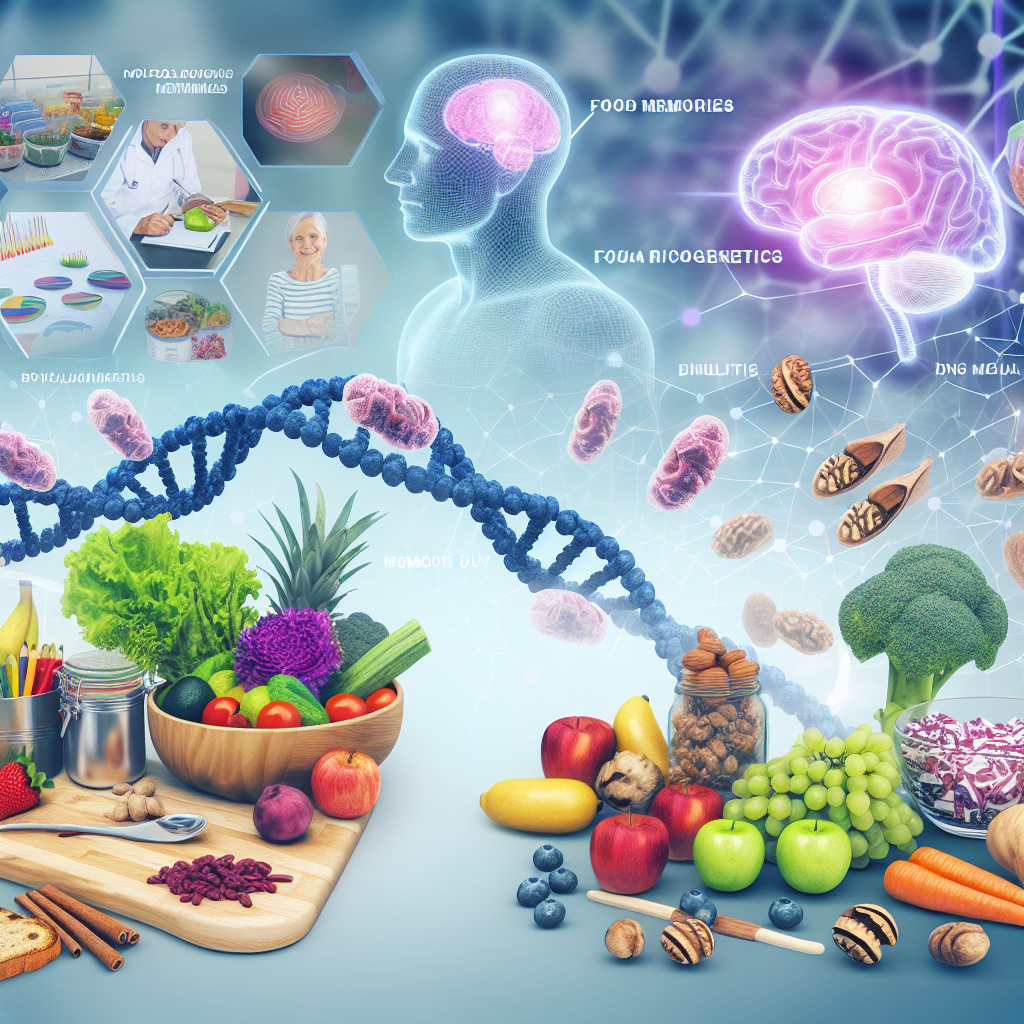
In recent years, the conversation around health and wellness has evolved from a focus on genetics to a broader understanding of epigenetics. Epigenetics, the study of changes in gene expression that do not involve alterations to the genetic code itself, offers profound insights into how lifestyle factors, including diet, influence our health. Emerging studies suggest that the food we consume and even our food memories—those experiences and emotions associated with eating—play a crucial role in shaping our health outcomes.
Food memories are powerful, often formed in childhood and triggered by smells, tastes, or even the mere sight of specific foods. These memories can evoke strong emotional responses and have the potential to influence our dietary choices subconsciously. For example, a whiff of freshly baked cookies might transport you back to your grandmother’s kitchen, prompting an emotional comfort that could sway your dietary patterns—sometimes leading to unhealthy eating habits.
The relationship between diet, memory, and health is complex, but recent findings indicate that foods can activate genes in a way that impacts our physical and mental health. This epigenetic modulation can be advantageous or detrimental depending on the dietary patterns we adopt. Consuming nutrient-rich foods can activate genes that boost metabolism, reduce inflammation, and improve mood. Conversely, diets rich in processed foods and sugars might activate genes associated with obesity, diabetes, and other chronic conditions.
Understanding the epigenetic impact of food memories can guide us in making more informed dietary choices. For instance, rekindling positive food memories associated with healthy eating from one’s childhood might encourage better food choices in adulthood. It also opens avenues for therapeutic interventions, where specific memory cues are used to instill healthier eating habits.
In a world where lifestyle diseases are on the rise, recognizing how food memories can be harnessed to promote health is more important than ever. The interplay of memory and diet underscores the importance of mindfulness in eating, encouraging us to develop closer ties between nutrition science and personal experiences.
Features
The implications of epigenetics in dietary habits have been substantiated through various professional and medical studies. A significant study published in Nature Communications demonstrated how dietary interventions can reverse genetic changes associated with cardiovascular disease. The researchers found that a Mediterranean diet, rich in fruits, vegetables, and healthy fats, can modify gene expression linked to inflammation and glucose metabolism, thereby offering protective cardiovascular benefits.
Another fascinating area of research has explored how early food experiences mold future eating behaviors. A study by the University College London examined the ‘flavor-flavor learning’ concept, where children’s preference for certain tastes is developed through repeated exposure to those flavors associated with positive emotional contexts. The study suggested that early positive reinforcements with healthy food flavors could lead to a lifelong preference for nutritious foods ([source](https://psyarxiv.com/7ndy8/)).
Furthermore, the implications of food memories on mental health were analyzed in a paper by the American Journal of Clinical Nutrition. This study explored how certain foods can influence mood by activating genes associated with neurotransmitter regulation. Consuming omega-3 fatty acids, commonly found in fish, green leafy vegetables, and nuts, was shown to improve mood and cognitive function through epigenetic mechanisms.
These studies emphasize the dual role of food as a component not just of physical health but also as a dynamic force in mental well-being, underscoring the importance of a balanced diet in maintaining an optimal mind-body harmony. Moreover, they reveal the potential for interventions targeting food memories, advocating for personalized nutrition where individual history and preferences are considered alongside genetic and epigenetic data.
Conclusion
The concept of epigenetics interweaving with food memories provides a unique lens through which we can view our dietary habits and their subsequent effects on health. Recognizing the power of food memories offers profound implications for crafting strategies that promote healthier eating habits and improve public health outcomes. By integrating knowledge from genetic research, psychology, and nutrition, there’s an opportunity to design personalized dietary interventions that harness positive food memories for better health.
As we navigate the complexities of modern life, often beset by fast food culture and high-stress lifestyles, understanding and leveraging the lessons from epigenetics might just hold the key to mitigating lifestyle-related diseases. Encouraging positive food memories, fostering a connection with wholesome food, and reinforcing these habits can profoundly impact not only our individual health but also shift societal norms towards healthier lifestyles. The time is ripe to embrace this holistic approach and make conscious decisions that account for our biological and emotional experiences with food.
—
Concise Summary:
The study of epigenetics reveals how food memories and dietary patterns affect our physical and mental health without altering the genetic code. Consuming certain nutritious foods can beneficially activate genes, while unhealthy diets may trigger detrimental genetic changes. Positive food memories from childhood can be harnessed to encourage healthier eating behaviors. This understanding highlights the importance of personalized nutrition and therapeutic interventions in preventing lifestyle diseases. Integrating epigenetic insights into dietary strategies offers potential for improved public health by aligning personal experiences with nutritional science.

Dominic E. is a passionate filmmaker navigating the exciting intersection of art and science. By day, he delves into the complexities of the human body as a full-time medical writer, meticulously translating intricate medical concepts into accessible and engaging narratives. By night, he explores the boundless realm of cinematic storytelling, crafting narratives that evoke emotion and challenge perspectives.
Film Student and Full-time Medical Writer for ContentVendor.com