Electrolyte Balance – Hydration Optimization Guide
Introduction
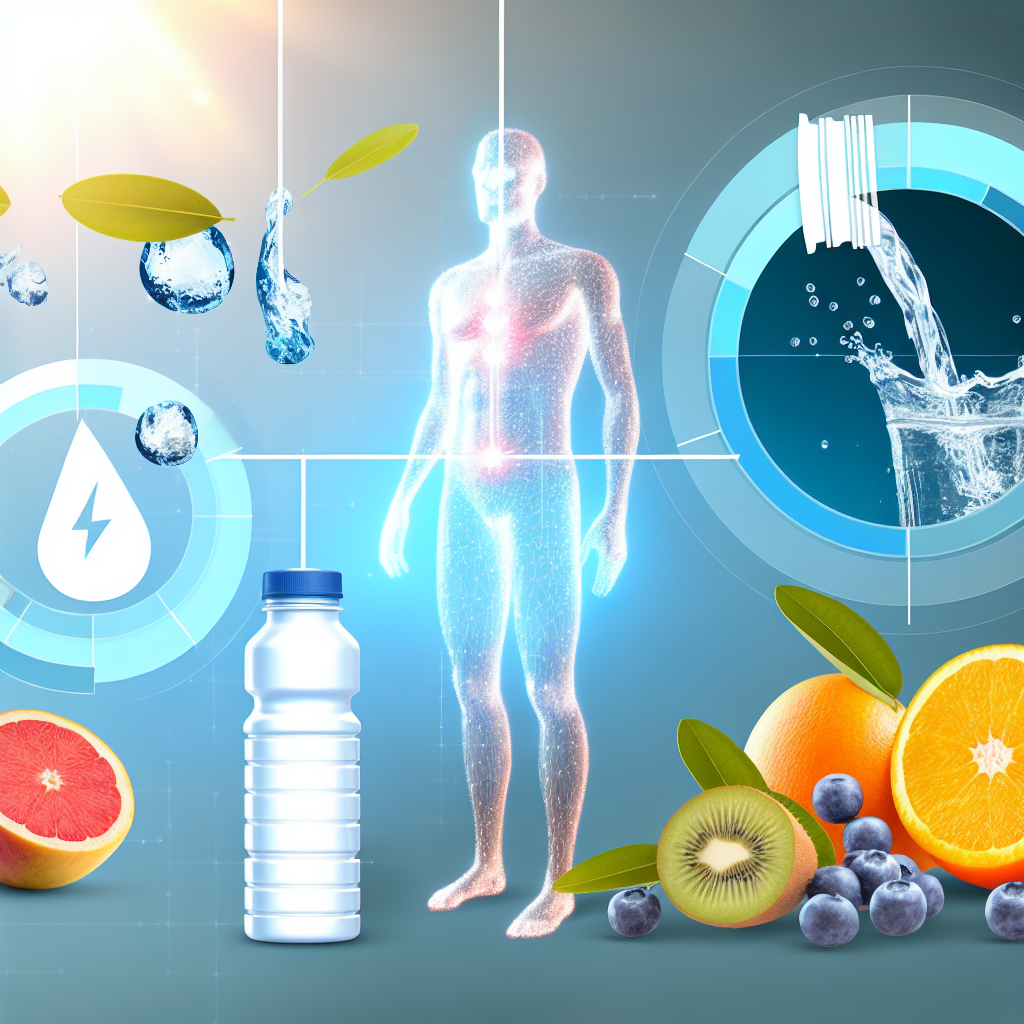
Hydration is much more than simply drinking eight glasses of water daily—it’s about achieving a delicate equilibrium between fluids and essential minerals that regulate nearly every bodily system. Electrolyte balance plays a pivotal role in maintaining hydration, directly impacting both mental clarity and physical performance.
Electrolytes are minerals with electric charges found in blood, sweat, and urine. These include sodium, potassium, calcium, magnesium, chloride, and phosphate. They are crucial for nerve communication, muscle contraction, pH stability, and fluid transport within cells. Even minor imbalances may lead to symptoms such as fatigue, headaches, muscle spasms, irregular heartbeat, or brain fog.
For those exploring natural remedies or homeopathic hydration techniques, maintaining proper electrolyte levels is essential. Contributing factors to imbalance include poor nutrition, chronic illness, certain medications, heat-related dehydration, and excessive sweating. Instead of relying solely on synthetic electrolyte drinks, one can promote balance through herbal teas, mineral broths, and nutrient-rich foods high in magnesium and potassium.
Many commercial sports drinks marketed for rehydration are often laden with sugars, preservatives, and synthetic additives. As a result, people are turning toward herbal and plant-based alternatives that work harmoniously with the body’s natural processes.
This guide explores natural methods to maintain electrolyte homeostasis, why it’s vital for complete hydration, and how clinical research supports these approaches. From herbal tonics and coconut water to magnesium-rich diets, you’ll find actionable, evidence-backed strategies to strengthen vitality at the cellular level. By grasping how electrolytes nourish your body, you can enhance energy, immunity, and overall wellness—naturally.
Scientific and Medical Insights into Electrolyte Optimization
Scientific studies have confirmed the importance of balancing electrolytes for proper hydration and health regulation. A 2019 study published in the journal Nutrients found that sodium and potassium are critical in maintaining fluid homeostasis and supporting key functions like nerve conduction, cardiac rhythm, and muscle contraction. Both hypoelectrolytemia (low electrolyte levels) and hypovolemia (insufficient blood plasma volume) can lead to systemic imbalance and fatigue. [Read the study here](https://www.mdpi.com/2072-6643/11/6/1343)
A review in the American Journal of Clinical Nutrition emphasized that while sodium is often seen as harmful, moderate amounts—especially from natural sources like unrefined sea salt or bone broth—are beneficial. Sodium supports hydration by aiding in fluid retention and stabilizing blood pressure, especially for athletes or during hot weather. [Read the AJCN article here](https://academic.oup.com/ajcn/article/90/3/613S/4596723)
In contrast to many commercial options, studies show plant-powered hydration alternatives provide comparable results with added nutritional benefits. A 2020 clinical study in Frontiers in Nutrition showed that coconut water performed as effectively as conventional sports drinks in rehydration after exercise. Unlike synthetic beverages, coconut water delivers natural electrolytes such as potassium and magnesium without added sugars or chemicals. [Read the Frontiers in Nutrition study here](https://www.frontiersin.org/articles/10.3389/fnut.2020.00164/full)
Another critical mineral is magnesium, vital for balancing other electrolytes and managing chronic inflammation. A clinical trial cited in Advances in Chronic Kidney Disease showed that magnesium from green leafy vegetables, seeds, and legumes supports both hydration and conditions like hypertension and Type 2 diabetes. [Explore the magnesium study here](https://www.sciencedirect.com/science/article/pii/S1548559517300609)
Some herbal infusions further support hydration naturally. Hibiscus tea, lemongrass, and chamomile offer mild diuretic effects that help flush toxins while protecting essential minerals. Unlike pharmaceutical diuretics, these herbal teas do not cause significant losses in potassium or magnesium. A study in the Journal of Alternative and Complementary Medicine found that hibiscus tea reduces blood pressure without causing electrolyte disturbance. [View the hibiscus tea study here](https://www.liebertpub.com/doi/10.1089/acm.2012.0871)
In connecting science with nature, these studies show that natural approaches don’t just mask symptoms—they support your system’s foundational equilibrium.
Recommended Natural Sources of Electrolytes
Here are nutrient-rich natural sources to help maintain or restore electrolyte balance in your system:
- Magnesium-Rich Foods: Spinach, pumpkin seeds, avocados, and almonds
- Potassium-Boosters: Bananas, sweet potatoes, coconut water, white beans
- Sodium in Natural Forms: Himalayan pink salt, sea salt, homemade bone broths
- Calcium Contributors: Kale, sardines, yogurt, almonds
- Natural Beverages: Coconut water, cactus juice, watermelon water
- Herbal Teas: Hibiscus, rooibos, chamomile, lemongrass
- Whole Foods Hydration: Cucumbers, watermelon, celery, oranges
These options offer not just electrolytes, but also fiber, antioxidants, and micronutrients to support immunity and cellular repair.
Conclusion
Maintaining electrolyte balance is the foundation of effective and sustainable hydration. Whether through mineral-infused water, magnesium-rich food, or electrolyte-preserving herbal teas, natural options are both effective and holistic.
The body thrives when water and essential minerals are in synergy. Unlike artificial drinks, nature-based hydration strategies restore balance while nourishing organs with immunity-boosting compounds and trace minerals.
As healthcare research increasingly supports therapeutic nutrition and plant-based remedies, it becomes clear that hydration doesn’t need to be synthetic. By choosing natural, holistic approaches to electrolyte replenishment, you’re investing in long-term resilience, energy, and disease prevention.
In a fast-paced world where chronic dehydration and mineral deficiency are frequently overlooked, this natural, evidence-backed approach fosters whole-body wellness—one sip at a time.
Concise Summary
Electrolyte balance is essential for optimal hydration and overall health. This guide outlines how natural sources—like coconut water, magnesium-rich foods, and herbal teas—can maintain hydration without synthetic additives. Scientific research confirms the effectiveness of plant-based electrolytes in supporting nerve function, heart health, and muscle performance. Unlike commercial sports drinks, natural solutions fuel hydration and cellular recovery. By integrating mineral-rich foods, sea salt, and herbal infusions, you can optimize hydration while enhancing energy, immunity, and resilience. Choose a holistic, natural path to electrolyte health for lasting vitality.
References
1. Nutrients Journal – Electrolyte Balance and Fluid Homeostasis in Health
2. American Journal of Clinical Nutrition – Sodium, Health, and Hydration
3. Frontiers in Nutrition – Coconut Water for Rehydration
4. Advances in Chronic Kidney Disease – The Role of Magnesium in Electrolyte Management
5. Journal of Alternative and Complementary Medicine – Impact of Hibiscus Tea on Blood Pressure and Electrolytes

Dominic E. is a passionate filmmaker navigating the exciting intersection of art and science. By day, he delves into the complexities of the human body as a full-time medical writer, meticulously translating intricate medical concepts into accessible and engaging narratives. By night, he explores the boundless realm of cinematic storytelling, crafting narratives that evoke emotion and challenge perspectives.
Film Student and Full-time Medical Writer for ContentVendor.com