Nightshade Elimination for Inflammation Reduction
Introduction
In today’s health-conscious society, where chronic inflammation is recognized as a central contributor to various conditions—from autoimmune diseases and arthritis to digestive disorders and heart disease—people are increasingly turning to dietary strategies to alleviate symptoms. One emerging approach is the elimination of nightshade vegetables from the diet.
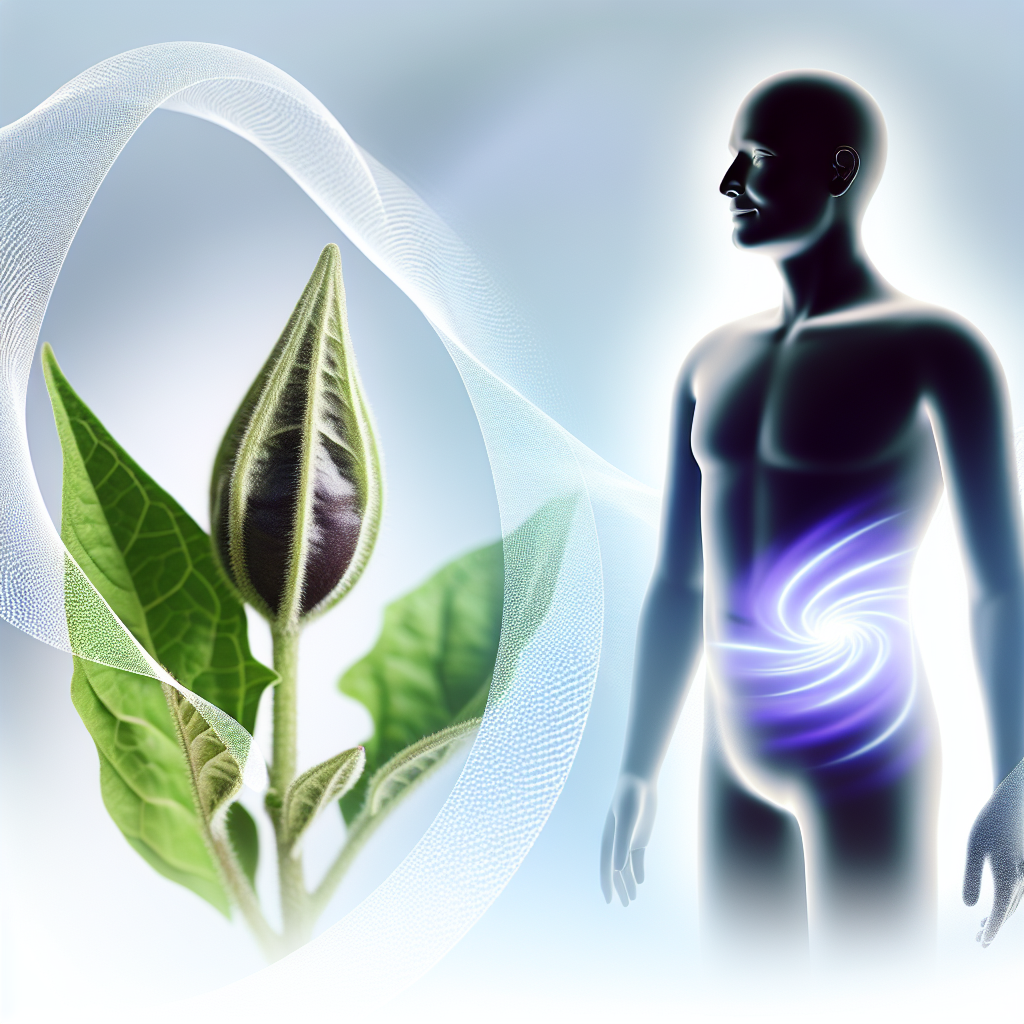
While commonly regarded as nutritious, vegetables like tomatoes, bell peppers, eggplants, and white potatoes belong to the nightshade family (Solanaceae), which contains over 2,000 species—including some toxic plants like tobacco and belladonna. These plants produce natural compounds known as alkaloids—including solanine, nicotine, and capsaicin—that may provoke inflammatory responses in susceptible individuals.
For those suffering from conditions like rheumatoid arthritis, fibromyalgia, irritable bowel syndrome (IBS), lupus, or psoriasis, eliminating nightshades can sometimes ease symptoms. This approach is a key component of dietary frameworks like the Autoimmune Protocol (AIP) and Paleo diet, both of which remove potential dietary triggers, including nightshades, to promote gut healing and immune balance.
Moreover, even individuals without officially diagnosed conditions may experience subclinical inflammation from these foods, with symptoms like joint pain, skin irritation, fatigue, or digestive distress. In this context, the nightshade elimination strategy is not about labeling vegetables as “bad,” but about encouraging people to better understand their personal tolerances and reactions.
Features
Emerging evidence from clinical observations and scientific literature points to a link between consumption of nightshades and worsening inflammation, particularly in those with gastrointestinal or autoimmune concerns. Although more rigorous human studies are needed, the observed improvements in many patients after removing nightshades suggest this strategy is worth examining.
Among the phytochemicals in nightshades, alkaloids like solanine and capsaicin are key suspects in triggering inflammation. Solanine, found predominantly in potatoes and eggplants, is thought to act as a cholinesterase inhibitor, potentially interfering with nerve signaling and increasing inflammatory markers. A notable study published in the journal Toxicology highlighted solanine’s ability to cause gastrointestinal and neurological disturbances in susceptible individuals.
Capsaicin, the chemical responsible for the heat in chili peppers, is known for its paradoxical effects. While it is commonly used topically for conditions like arthritis pain due to its analgesic effects, internal consumption of capsaicin may lead to irritation in people with underlying gut issues. A study in the Journal of Clinical Gastroenterology reported that capsaicin increased gastrointestinal sensitivity and discomfort in those with IBS and related disorders.
The AIP diet, a more restrictive version of Paleo, advocates the removal of nightshades specifically due to their inflammatory potential. A 2017 study published in Inflammatory Bowel Diseases followed patients with IBD and found significant improvements in gut inflammation and symptoms after applying the AIP diet—including nightshade elimination.
Eliminating nightshades is often an individual decision based on personal symptoms. A structured approach—complete removal for 30 days followed by slow reintroduction—can help individuals determine their sensitivity. This elimination-reintroduction cycle is frequently recommended by functional medicine practitioners and integrative nutritionists.
For some, especially those managing autoimmune disease, the absence of nightshades results in reduced joint swelling, better digestion, enhanced energy, and clearer skin. Nightshades are not universally inflammatory, but recognizing that nutrient-rich foods can still be problematic for certain individuals presents a shift in how we view wellness.
Conclusion
The possible connection between nightshades and inflammation remains a compelling area of exploration in the fields of functional medicine and holistic nutrition. Although nightshades are dietary staples and rich in nutrients like antioxidants and vitamins, their naturally occurring alkaloids may aggravate inflammation in some individuals.
Eliminating nightshades for a trial period offers an opportunity for symptom relief, particularly for those navigating chronic inflammatory or autoimmune conditions. A personalized elimination diet teaches individuals how specific foods affect their health, and whether reintroducing them presents any issues. Collaborating with a knowledgeable healthcare provider ensures a balanced approach during this process, safeguarding against nutrient deficiencies and promoting sustained wellness.
Ultimately, food can be a powerful tool in healing inflammation, and understanding your response to nightshades may offer crucial insight into achieving better health.
Concise Summary
Nightshade vegetables like tomatoes, peppers, eggplants, and potatoes contain alkaloids that may worsen inflammation in sensitive individuals, especially those with autoimmune or gastrointestinal conditions. These compounds—such as solanine and capsaicin—can disrupt nerve signaling and irritate the gut. Functional medicine practitioners often recommend eliminating nightshades to identify potential triggers. Although not harmful for everyone, removing these vegetables temporarily may help reduce symptoms like joint pain, fatigue, and digestive issues. Research and clinical experience suggest that personalized nutrition—including nightshade elimination—may play a key role in managing chronic inflammation and improving quality of life.
References
– Solanine toxicity study: Toxicology
– Capsaicin and IBS symptoms: Journal of Clinical Gastroenterology
– Autoimmune Protocol and IBD improvement: Inflammatory Bowel Diseases Journal
– Dietary alkaloids overview: NCBI PMC – Dietary Alkaloids
– Role of nightshades in autoimmune nutrition: Autoimmune Wellness – The AIP Protocol

Dominic E. is a passionate filmmaker navigating the exciting intersection of art and science. By day, he delves into the complexities of the human body as a full-time medical writer, meticulously translating intricate medical concepts into accessible and engaging narratives. By night, he explores the boundless realm of cinematic storytelling, crafting narratives that evoke emotion and challenge perspectives.
Film Student and Full-time Medical Writer for ContentVendor.com