Omega-3 Dosage Guide for Optimal Brain Health
Introduction
In today’s fast-paced, high-stress world, maintaining optimal brain health is no longer just a trend—it is a necessity. More individuals are seeking natural and holistic strategies to improve cognitive performance, emotional well-being, and long-term neurological health. Among the top scientifically studied nutrients, Omega-3 fatty acids stand out for their anti-inflammatory and neuroprotective benefits.
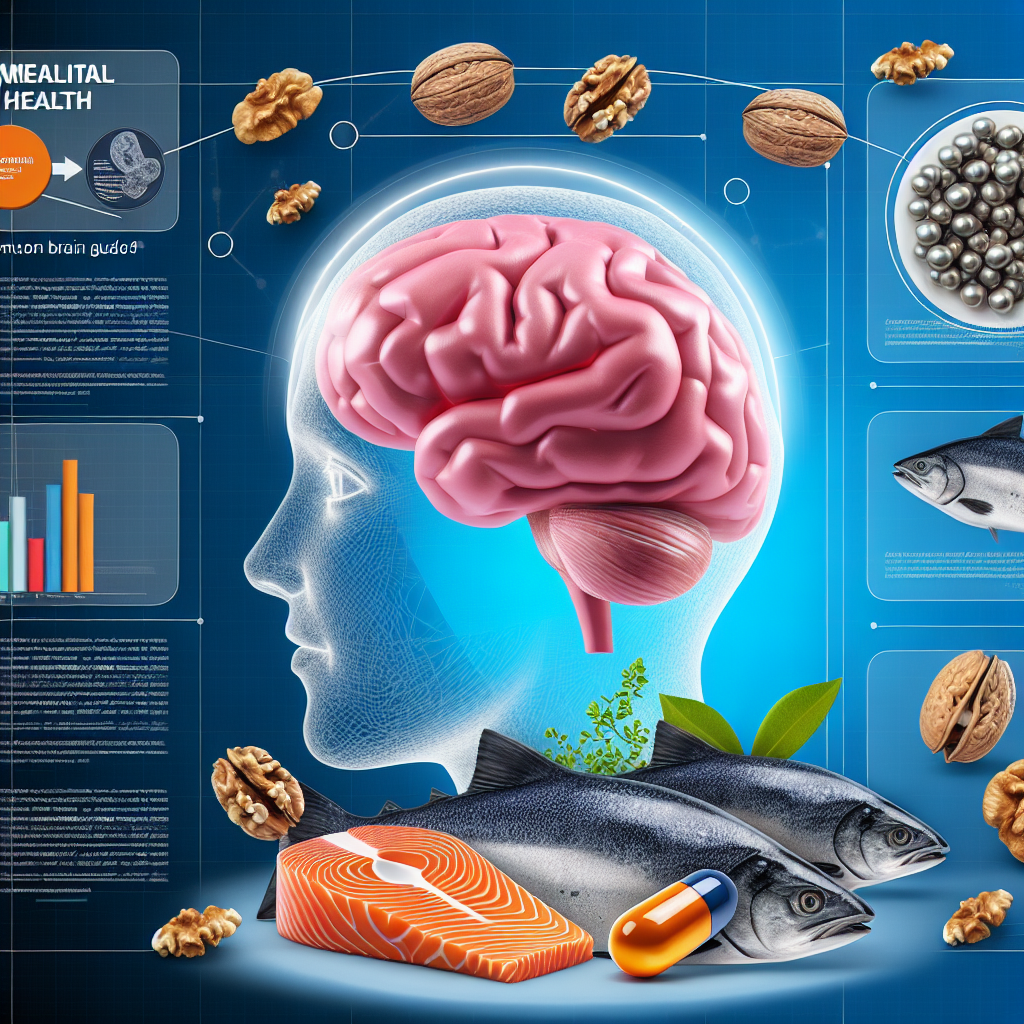
Omega-3s are a family of polyunsaturated fats essential for the structure and function of brain cells. There are three main types:
– ALA (alpha-linolenic acid): Found in plant-based foods like flaxseeds, chia seeds, and walnuts.
– EPA (eicosapentaenoic acid): Primarily found in fatty fish.
– DHA (docosahexaenoic acid): Most critical for brain development and function, especially in memory, mood regulation, and cognitive speed.
While Omega-3s can be consumed via a balanced diet or supplements, the effectiveness largely depends on consuming the correct Omega-3 dosage. Inadequate intake could hinder benefits, while excessive amounts might result in side effects such as blood thinning or gastrointestinal discomfort.
Recent evidence supports targeted supplementation across stages of life. Children with attention challenges, adults with mood disorders, and seniors concerned with cognitive decline can all benefit from optimized Omega-3 intake. This article presents a clear, evidence-backed guide to achieving the ideal Omega-3 dosage for brain health optimization.
Professional & Medical Studies Supporting Omega-3 for Brain Health
The role of Omega-3 for brain health has been validated extensively in clinical literature over the past 20 years. These studies highlight how Omega-3s support cognitive performance, prevent degeneration, and improve mood and emotional balance.
A notable study published in the The American Journal of Clinical Nutrition found that elevated blood levels of DHA were linked to a 47% reduction in the risk of developing dementia, including Alzheimer’s disease. This demonstrates the preventive power of DHA when consumed consistently.
For mental health, a 2016 meta-analysis from the Journal of Clinical Psychiatry concluded that EPA-dominant Omega-3 supplements were effective in reducing symptoms of depression, especially when used alongside traditional treatment options.
Early life brain development also benefits substantially. According to a study published in Pediatrics, DHA consumption during pregnancy and early childhood strongly correlates with higher IQ, better verbal development, and improved cognitive performance during growth stages.
In aging populations, a 2014 clinical trial found in the Journal of Alzheimer’s Disease reported improvements in memory and focus when participants consumed 1,000 mg of DHA daily for six months. This supports the use of Omega-3s to maintain brain performance during aging.
The consensus across most of these studies suggests:
– For healthy adults: 250–500 mg of combined EPA and DHA daily.
– For those with cognitive or mood challenges: Higher doses of 1,000–2,000 mg per day under physician supervision may be more effective.
Furthermore, the National Institutes of Health emphasizes that these fatty acids are particularly important for:
– Individuals with low seafood intake.
– Those with chronic inflammation or autoimmune conditions.
– People at higher risk of nutritional deficiencies.
When choosing a supplement, opt for high-quality, third-party tested fish oil or vegan Omega-3 sources like algal oil. These ensure potency and avoid contaminants such as mercury, PCBs, and other toxins frequently found in inferior products.
Additional Considerations for Dosage and Use
To yield maximum results from Omega-3 supplementation, consistency is key. Omega-3s accumulate in cell membranes, so regular intake over several months is necessary to influence neuronal performance and mental clarity.
Another important factor is the ratio of EPA to DHA. For mood disorders and depression relief, studies suggest formulas with higher EPA content (such as 2:1 EPA:DHA ratio) are more beneficial. In contrast, DHA-rich supplements are superior for memory, infant development, and maintaining brain structure with age.
It’s also advisable to combine Omega-3 supplementation with fat-containing meals to enhance absorption.
Conclusion
Omega-3 fatty acids serve as one of the most effective, natural tools for enhancing and preserving brain health. From improving neurotransmitter efficiency and reducing inflammation to supporting neurogenesis and emotional balance, their benefits are far-reaching and well-supported by clinical evidence.
Implementing the proper dosage—between 250–500 mg of EPA and DHA daily for general maintenance or 1,000–2,000 mg for targeted support—provides a measurable advantage in cognitive protection and mental clarity. Choosing the right supplement and using it consistently with a nutritious diet enhances these effects substantially.
While Omega-3s are not a standalone cure, they are a vital part of a comprehensive brain health strategy that includes exercise, quality sleep, mental activity, and a balanced diet.
Always consult a healthcare provider before starting a supplementation program to determine the best personalized dose for your unique needs.
References
– The American Journal of Clinical Nutrition – DHA and Dementia Risk Reduction
– National Institutes of Health – Omega-3 Fatty Acids Fact Sheet
– Journal of Clinical Psychiatry – Meta-analysis on Depression and EPA
– Pediatrics – DHA in Early Brain Development
– Journal of Alzheimer’s Disease – DHA and Cognitive Maintenance
Concise Summary
Omega-3 fatty acids, especially EPA and DHA, are crucial for maintaining optimal brain health across all life stages. Research supports their role in improving memory, mood, and preventing cognitive decline. For most adults, 250–500 mg daily of EPA and DHA combined is effective for brain maintenance, while those with specific mental or neurological conditions may benefit from higher doses. Quality and consistency are essential—choose third-party tested fish oil or algal oil supplements and take them with meals for best absorption. Always consult a healthcare provider for personalized guidance. Omega-3s are a key component in a holistic brain-health strategy.

Dominic E. is a passionate filmmaker navigating the exciting intersection of art and science. By day, he delves into the complexities of the human body as a full-time medical writer, meticulously translating intricate medical concepts into accessible and engaging narratives. By night, he explores the boundless realm of cinematic storytelling, crafting narratives that evoke emotion and challenge perspectives.
Film Student and Full-time Medical Writer for ContentVendor.com