Dairy Elimination Guide – Lactose Intolerance Solutions
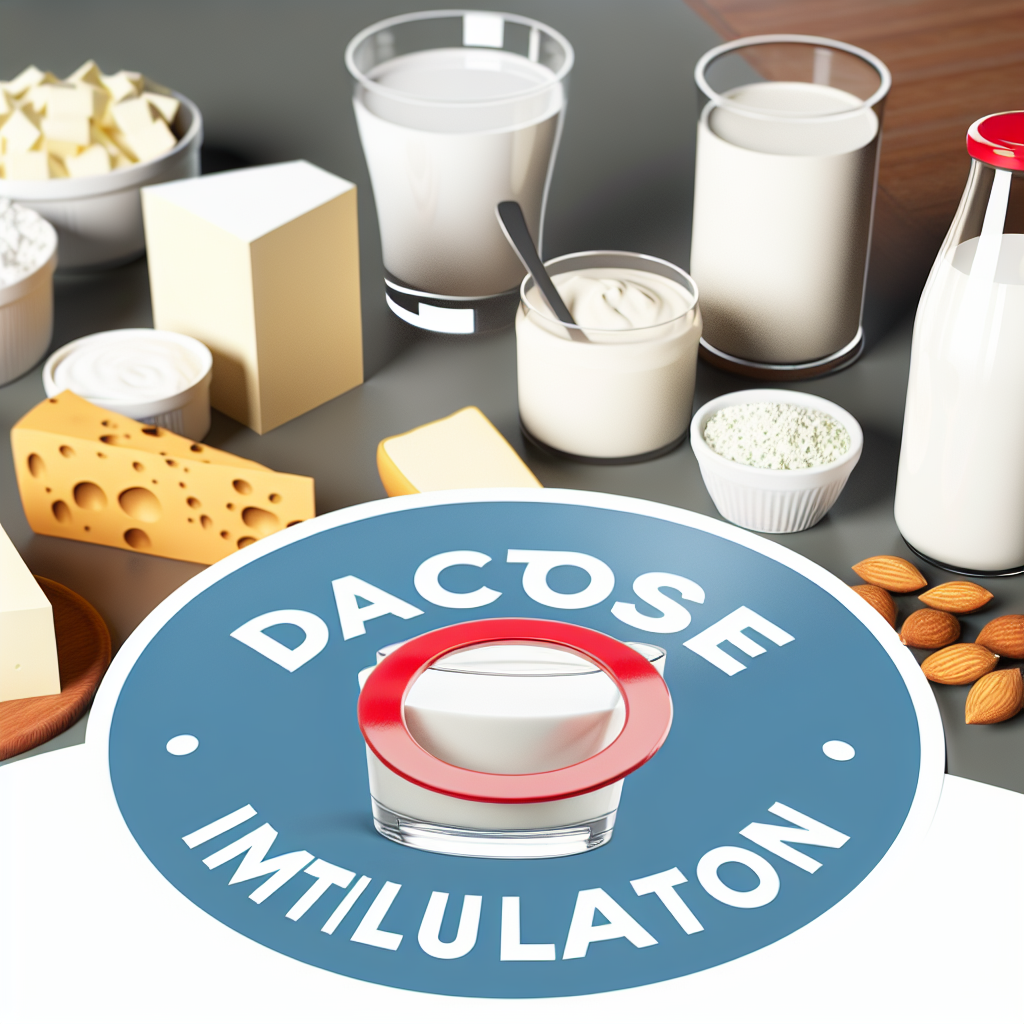
Lactose intolerance is a common digestive disorder that affects millions worldwide. It arises when the body is unable to digest lactose, the natural sugar in milk and other dairy products, due to a deficiency of the enzyme lactase. Symptoms—such as bloating, gas, abdominal discomfort, and diarrhea—occur when undigested lactose ferments in the gut.
While not life-threatening, lactose intolerance can impact daily life, especially in cultures where dairy is a staple. The good news is that it can be managed effectively through dietary changes and natural solutions.
Eliminating dairy doesn’t mean sacrificing nutrition or flavor. By being mindful of hidden dairy sources, switching to lactose-free foods, and incorporating helpful herbs and digestive enzymes, you can achieve a balanced, satisfying dairy-free lifestyle.
In recent years, the rise of natural and herbal remedies has expanded the ways you can address intolerance holistically. From plant-based milks to probiotics and enzyme supplementation, today’s food landscape provides empowering tools to support your gut health.
Understanding the science behind lactose digestion helps make smarter choices for long-term wellness. Whether you’re newly diagnosed or exploring a dairy-free path for general health, this guide offers a complete roadmap of clinical, nutritional, and natural strategies.
Scientific Support and Clinical Research
A substantial body of research validates strategies for managing lactose intolerance. According to the National Institutes of Health (NIH), about 65% of the global population has a reduced ability to digest lactose after infancy.
Genetics play a crucial role. A major study in Nature Genetics found that lactase persistence in adults is linked to genetic mutations most common in Northern Europeans—explaining why populations in East Asia, sub-Saharan Africa, and South America show higher intolerance rates.
Probiotics offer an evidence-backed solution. A review in the journal Nutrients highlights the impact of strains such as Lactobacillus acidophilus, Bifidobacterium infantis, and Lactobacillus plantarum in easing lactose sensitivity and boosting gut health.
Herbal remedies, though typically used for general digestion, also provide relief. According to the Evidence-Based Complementary and Alternative Medicine journal, herbs like peppermint and ginger possess anti-inflammatory and carminative (gas-relieving) effects that are beneficial after dairy-induced discomfort.
Lactase enzyme supplements are another viable intervention. A study in the journal Digestive Diseases and Sciences demonstrated that taking lactase tablets prior to consuming dairy can provide significant symptom reduction in lactose-intolerant individuals.
Natural Treatments and Lifestyle Solutions
Managing lactose intolerance requires a multi-layered approach. Below are powerful, natural strategies that support digestive comfort:
1. Eliminate Dairy With Awareness
Read food labels carefully. Many processed products contain hidden dairy in the form of casein, whey, milk solids, ghee, butterfat, and lactose. Even items like breads, soups, and non-dairy creamers may include dairy derivatives. This step builds the foundation for a successful elimination plan.
2. Embrace Lactose-Free and Plant-Based Alternatives
Plant-based milks—such as oat, almond, coconut, hemp, and rice—offer excellent options with varied flavors and nutrients. Note that some are fortified with calcium and vitamin D to fill gaps left by dairy elimination. Many stores also stock plant-based yogurts, ice creams, and cheeses.
3. Supplement With Digestive Enzymes
Lactase enzyme supplements are ideal for special occasions when you may consume dairy. Taken before meals, they help the body digest lactose more efficiently. Over-the-counter formulas come in chewable or capsule forms and are safe for short-term use.
4. Utilize Herbal Digestive Aids
Herbs like fennel, chamomile, and anise help alleviate digestive disturbances. Peppermint tea and ginger root are especially helpful post-meal to ease cramping, gas, and nausea. These herbal remedies are gentle, natural, and supportive of overall gastrointestinal balance.
5. Introduce Probiotics
Probiotics enhance gut flora and digestion. Fermented foods like kimchi, sauerkraut, kombucha, and miso are potent natural sources. A daily probiotic supplement with gut-supporting strains can further reduce lactose-related discomfort and promote immune resilience.
6. Consider Calcium and Vitamin D Replacement
Dairy-free diets should include substitutes for calcium and vitamin D. Green vegetables (kale, broccoli), nuts (almonds), seeds (chia, flax), and fortified plant milks help close this nutritional gap. Daily sunlight exposure supports natural vitamin D synthesis and improves bone health.
7. Monitor and Listen to Your Body
Keep a food journal to document meals, ingredients, and symptoms. This helps identify personal triggers and track healing progress. Consulting a registered dietitian or naturopath can further tailor your plan for optimal results.
Conclusion
Living dairy-free doesn’t mean giving up taste or health. Instead, it opens a path to improved digestion, higher energy, and better well-being. By blending knowledge with smart dietary swaps, herbal support, and enzyme therapy, those with lactose intolerance can feel empowered and symptom-free.
Focusing on whole foods, enrichment (via probiotics and nutrients), and personalized strategies turns this challenge into an opportunity. With increasing access to non-dairy alternatives and natural aids, it’s never been easier to enjoy a more comfortable, vibrant, and balanced life.
Let food be your wellness ally—not your digestive enemy. This guide has equipped you with tools to confidently thrive in a dairy-free lifestyle that supports long-term health and resilience.
References:
- NIH – Lactose Intolerance
- Nature Genetics – Genetic Study on Lactase Persistence
- Nutrients Journal – Probiotics for Gut Health
- ECAM Journal – Herbal Digestive Remedies
- Digestive Diseases and Sciences – Lactase Supplement Study
Concise Summary
Lactose intolerance is a common condition caused by a lactase enzyme deficiency, leading to digestive issues when consuming dairy. This guide outlines scientific insights, herbal remedies, and practical strategies—such as adopting plant-based milks, using digestive enzymes, incorporating probiotics, and reading labels—to manage symptoms naturally. It also emphasizes nutrient replacements and body awareness to build a personalized, sustainable dairy-free lifestyle. With accessible alternatives and healthy habits, those affected can enjoy food without discomfort while supporting long-term health.

Dominic E. is a passionate filmmaker navigating the exciting intersection of art and science. By day, he delves into the complexities of the human body as a full-time medical writer, meticulously translating intricate medical concepts into accessible and engaging narratives. By night, he explores the boundless realm of cinematic storytelling, crafting narratives that evoke emotion and challenge perspectives.
Film Student and Full-time Medical Writer for ContentVendor.com